







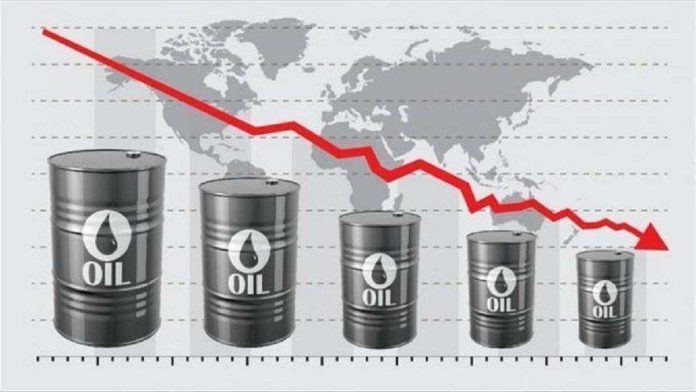
Global crude oil prices experienced a mild dip as energy markets responded to new developments in production adjustments by OPEC+ members and mounting trade uncertainty from the United States.
According to fresh data, eight key OPEC+ nations are set to collectively raise their oil output by 411,000 barrels per day (b/d) in July 2025 — a more substantial increase than previously anticipated. The countries involved include oil heavyweights Saudi Arabia and Russia, alongside Iraq, UAE, Kuwait, Kazakhstan, Algeria, and Oman.
Originally, the production hike for July had been set at 134,000 b/d. However, these nations had already signaled plans earlier in May to implement the larger 411,000 b/d adjustment in June 2025 as well.
This development is part of a broader plan to gradually unwind the voluntary cuts of 2.2 million barrels per day that were introduced in Q1 2024 to stabilize prices. Those cuts had been extended through the end of March 2025, and the new roadmap outlines a gradual phase-out running through September 2026.
As the news filtered into markets, Brent crude slipped by 0.09%, trading at $66.40 per barrel, down slightly from $66.46. West Texas Intermediate (WTI) followed suit with a 0.13% drop, reaching $64.33 per barrel.
Industry analysts now anticipate a formal ratification of the July production increase at OPEC+’s meeting scheduled for July 6, which would bring the total 2025 increase to around 1.78 million b/d — about 1.5% of global demand.
Meanwhile, geopolitical uncertainty in the U.S. is also weighing on oil prices. With the 90-day pause on new tariffs set to expire next week, markets are bracing for potential economic disruption.
U.S. Treasury Secretary Scott Bessent noted in an interview with Bloomberg that countries could still face sharply higher tariffs if ongoing negotiations fail. He emphasized that even nations acting in good faith could face the reinstatement of the April 2 tariff levels if talks do not result in concrete agreements.
April 2, termed “Liberation Day” by former President Donald Trump, saw the announcement of a 10% baseline tariff rate on select imports. A temporary reprieve was granted on April 9 for countries other than China, but its expiration looms large over energy market sentiment.
Economic analysts warn that an escalation in trade tensions could hamper U.S. growth in the short term, thereby reducing energy demand and further pressuring global oil prices.