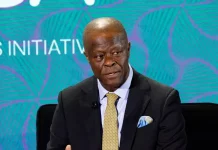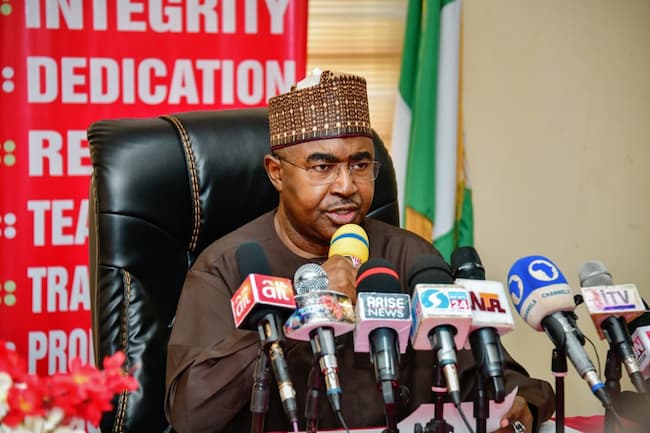







The Presidential Villa is officially set to achieve total energy independence, with the State House scheduled to disconnect from the national grid and switch to a 100% solar-powered system by March 2026. This announcement was made by the State House Permanent Secretary, Temitope Fashedemi, during a 2026 budget defense session before the Senate Committee on Federal Character and Inter-Governmental Affairs.
The move marks the final phase of an ambitious “Green Villa” project designed to insulate the seat of government from the frequent grid collapses that have plagued Nigeria’s energy sector.
Financial sustainability is a primary driver for the transition, as the State House seeks to eliminate the multi-billion Naira annual electricity bills paid to the Abuja Electricity Distribution Company (AEDC). Fashedemi revealed that the government is currently reconciling “legacy liabilities” with the DISCO, following years of disputes over estimated billing and power supply quality.
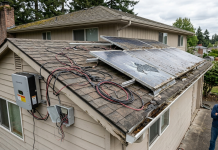
By installing a massive independent mini-grid backed by high-capacity lithium storage, the Presidency expects to save billions in both utility payments and the procurement of diesel for the fleet of generators that previously served as the Villa’s primary backup.
The project has already undergone successful pilot testing at the State House Medical Centre, which transitioned to renewable energy in mid-2025. Officials noted that the medical facility maintained uninterrupted power even during the national grid failures recorded in January 2026.
While the Presidency hails the move as a landmark for carbon footprint reduction and fiscal discipline, critics have voiced concerns that the “grid exit” allows the nation’s leadership to bypass the lived reality of millions of Nigerians who remain tethered to an unstable and increasingly expensive national power network.
Beyond the cost-saving benefits, the presidency has also described the solar cutover as a strategic security measure. Independent power according to them, ensures that the command-and-control center of the nation remains operational regardless of industrial strikes or technical faults on the aging national transmission lines.
As the March 2026 deadline approaches, the Aso Rock solar project is being watched by private estates and industrial zones across Nigeria as a blueprint for “seceding” from the national grid in favor of decentralized, reliable renewable energy.