






Apple emerged as the world’s largest smartphone vendor in 2025, overtaking Samsung as global smartphone shipments posted a second consecutive year of growth.
Preliminary figures from Counterpoint Research’s Market Monitor show that global smartphone shipments rose by 2% year-on-year, extending the market’s recovery after a prolonged downturn. Apple climbed to the top spot after trailing Samsung in 2024. The data indicates that Apple not only captured market leadership but also recorded the fastest growth rate among the top five smartphone manufacturers, supported by strong premium demand and expanding traction in emerging economies.
Shipment data highlights
Counterpoint Research estimates that Apple ended 2025 with a 20% share of global smartphone shipments, representing a 10% year-on-year increase—the strongest performance among leading brands.
Samsung followed closely in second place with a 19% market share and a 5% annual growth rate. Chinese manufacturers Xiaomi, vivo, and OPPO rounded out the top five, maintaining steady but slower growth.
Apple’s dominance was especially pronounced in the final quarter of the year. In Q4 2025, the company accounted for roughly 25% of all smartphones shipped globally, marking its highest-ever quarterly market share.
Senior Analyst Varun Mishra attributed Apple’s performance to its expanding presence in emerging and mid-sized markets, combined with a more diversified and compelling product lineup.
Product momentum and upgrade cycles
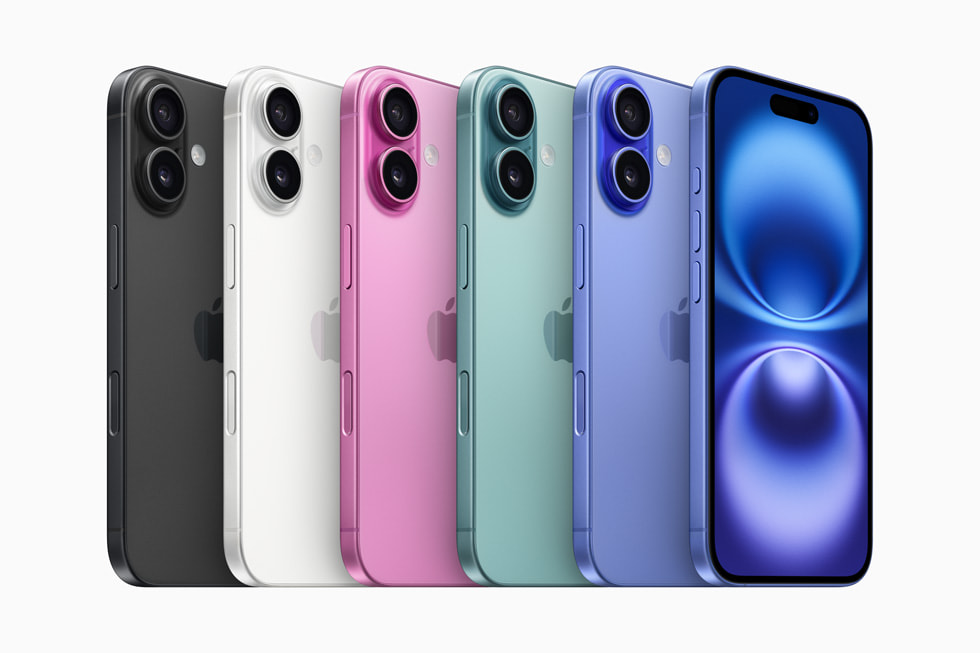
The launch of the iPhone 17 series played a critical role in Apple’s Q4 surge, generating strong demand across multiple regions. At the same time, the iPhone 16 continued to perform well in key markets including Japan, India, and Southeast Asia.
This momentum coincided with a broader replacement cycle, as many consumers who purchased smartphones during the COVID-19 period reached an inflection point and became due for upgrades.
According to Counterpoint, this replacement demand, combined with financing options and targeted marketing, helped sustain premium smartphone sales throughout the year.
Shifting market dynamics
The research firm noted that the global smartphone market continued its gradual shift toward higher-priced devices in 2025, as consumers increasingly opted for premium models with advanced features.
Demand for 5G-enabled smartphones also accelerated, particularly across developing regions where network infrastructure has expanded rapidly.
Senior Analyst Shilpi Jain explained that many original equipment manufacturers (OEMs) front-loaded shipments in the first half of the year amid concerns over potential tariffs. However, as 2025 progressed, the actual impact of tariffs proved milder than expected, limiting disruptions to shipment volumes in the second half.
Regional performance remained uneven. Growth in Japan, the Middle East and Africa (MEA), and parts of Asia-Pacific helped offset slower demand in more mature markets.
In the final quarter of the year, overall smartphone shipments increased by just 1% year-on-year, weighed down by inventory accumulated earlier in the year, even as Apple maintained its lead over Samsung.
Looking back at 2024
In contrast, the global smartphone market recorded a stronger rebound in 2024, achieving 4% year-on-year growth after two consecutive years of decline. That year, Samsung retained its position as the global market leader, driven by robust demand for its Galaxy S24 and A-series devices.
The Galaxy S24 lineup, Samsung’s first smartphone range built around artificial intelligence capabilities, outperformed previous generations and gained particular popularity in Western Europe and the United States.