





KEY POINTS
- The Federal Government plans to install more than seven million electricity meters within three years to improve transparency and accountability.
- More than 50,000 young people are expected to receive training in meter installation and related skills.
- The government says improving the use of existing power assets is as important as expanding electricity generation.
- Industry leaders call for more private investment and prompt payment to contractors completing electricity infrastructure projects.
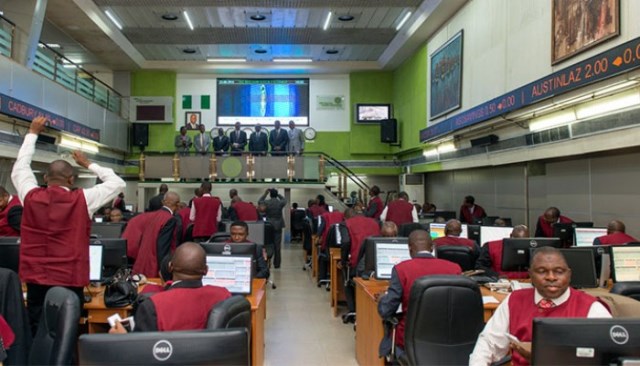
- More than 200 companies from nine countries are showcasing power technologies at the Nigeria Energy Leadership Summit in Lagos.
MAIN STORY
The Federal Government plans to install more than seven million electricity meters within the next three years and train over 50,000 young people in meter installation and related skills as part of efforts to improve accountability and strengthen Nigeria’s electricity sector.
The Minister of Power, Mr Joseph Tegbe, disclosed this on Tuesday at the Nigeria Energy Leadership Summit in Lagos, where he said the government would also focus on improving the use of existing power assets, raising industrial productivity and attracting more investment into the sector.
Speaking on the theme, “Powering the Nation: Nigeria’s Roadmap to Grid Stability, Investment and Energy Security”, Tegbe said a reliable electricity supply required more than increasing installed generation capacity. He said Nigeria also needed to address rising demand, mobilise capital and develop the infrastructure required to deliver available energy as usable electricity.
Tegbe said improved access to reliable electricity would help manufacturers plan production, sustain essential healthcare services and provide investors with a more stable operating environment.
He added that effective reforms required leadership willing to confront longstanding structural problems in the sector. He cited President Bola Tinubu’s commitment to addressing these challenges, including through Executive Order 23.
On metering, the minister said the government intended to install more than seven million meters over three years to strengthen transparency and accountability. He added that training would begin with 5,000 young people every quarter as part of the plan to develop more than 50,000 people with relevant skills.
Also speaking at the summit, the Lagos State Commissioner for Energy and Mineral Resources, Mr Biodun Ogunleye, who represented Governor Babajide Sanwo-Olu, said electricity supply was fundamental to economic growth.
Ogunleye stressed the need for reliable and affordable power to help businesses operate effectively and attract investment. He called for stronger collaboration among the Federal Government, state governments, regulators and private investors to develop a sustainable electricity sector.
The Group President of SkippersSeil Group, Mr Jitender Sachdeva, said the government could not finance the sector alone and called for greater private-sector participation in electricity infrastructure development.
Sachdeva also urged the government to pay contractors promptly, saying timely payments were necessary to facilitate the completion of substations across the country.
The Exhibition Director, Mr Ade Yesufu, said more than 200 companies from nine countries were showcasing technologies aimed at improving electricity generation and delivery.
Yesufu said Nigeria had opportunities to expand power generation, citing its installed capacity, gas resources and growing community of investors and innovators.
THE ISSUES
Nigeria’s electricity challenge is not simply about how much power generating plants can produce. Electricity must also move through transmission and distribution infrastructure before homes and businesses can use it reliably.
The government’s focus on improving the utilisation of existing assets therefore addresses a separate problem from building new generation capacity. If available electricity cannot be delivered effectively, additional generating capacity alone may not resolve supply problems for manufacturers and households.
Metering is another important part of the sector. Installing more meters could improve the measurement of electricity consumption and support greater transparency in billing. However, the number of meters installed will not, by itself, guarantee more reliable electricity or resolve every problem affecting billing and distribution.
The training programme could also create opportunities for young people to acquire technical skills, although its employment impact will depend on the quality of training and the availability of work after completion.
Private investment is equally important because electricity infrastructure requires substantial funding. Sachdeva’s call for prompt contractor payments highlights a practical concern: delays in payment can affect contractors’ ability to finance work and complete projects on schedule.
For manufacturers, reliable electricity can reduce operational uncertainty and help businesses plan production. But the summit remarks did not provide specific targets for reducing outages, improving supply hours or lowering electricity costs.
WHAT’S BEING SAID
“Reliable and affordable electricity was essential for businesses to thrive and investments to grow.” – Biodun Ogunleye, Lagos State Commissioner for Energy and Mineral Resources.
“The government could not fund the power sector alone.” – Jitender Sachdeva, Group President of SkippersSeil Group.
WHAT’S NEXT
The government’s stated plans include installing more than seven million electricity meters over three years and training more than 50,000 young people in meter installation and related skills, beginning with 5,000 trainees every quarter.
Implementation will determine whether these targets improve metering coverage, strengthen accountability and create technical employment opportunities. Progress in the use of existing power assets, infrastructure development and private-sector investment will also shape the sector’s ability to deliver more reliable electricity.
The summit did not provide a detailed implementation schedule for the broader grid stability and energy security plans or specific targets for improvements in electricity supply.
BOTTOM LINE
The Federal Government is combining a large-scale metering programme and technical training with a wider push to improve electricity infrastructure and attract private investment. The real test will be whether these measures translate into more reliable power for Nigerian businesses and households.
Source: NAN