






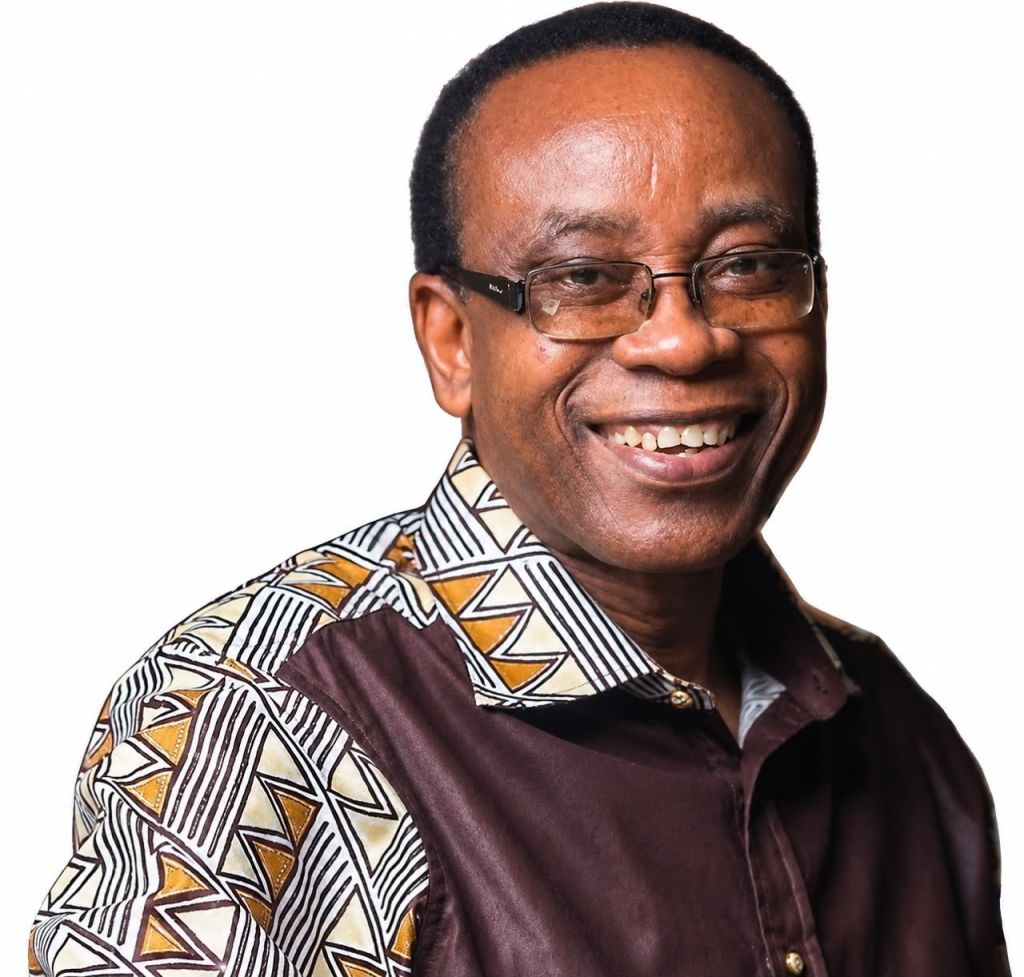
By Emmanuella Opara | October 20th 2026
KEY POINTS
- Environmental activist Nnimmo Bassey calls for accountability, pollution remediation and protection of community rights in the Niger Delta.
- He urges voters to demand clear environmental commitments from candidates seeking political office.
- Bassey warns that critical mineral extraction could repeat the environmental damage associated with oil production.
MAIN STORY
Environmental activist Nnimmo Bassey has called on leaders in the Niger Delta to prioritise environmental justice, protect community rights and ensure accountability for decades of pollution in the region.
Bassey, Executive Director of the Health of Mother Earth Foundation (HOMEF), made the call while delivering a guest lecture at the eighth graduation ceremony and annual leadership lecture of the Kebetkache/Centre for Leadership, Strategy and Development (Centre-LSD) Leadership School for the 2025/2026 session in Port Harcourt.
In a statement issued by HOMEF’s Media and Communications Lead, Kome Odhomor, on Monday, Bassey said decades of oil exploration and extraction had contaminated waterways, damaged farmlands, degraded mangroves and disrupted livelihoods across the Niger Delta.
He said the region’s natural resources had not translated into decent living conditions for many residents, arguing that environmental injustice reflected deeper problems of power, accountability and development.
Bassey urged voters to demand specific environmental protection and remediation plans from presidential and governorship candidates before deciding whether to support them.
He cited persistent oil fires at the Ororo-1 oil well in Ondo State, gas eruptions in Bille community, Rivers State, and a crude oil fire at Oil Well 9 in Okrika, Rivers State, as examples of hazards requiring concrete commitments from political leaders.
He said the pursuit of environmental justice should also involve community members who protect water sources, document oil spills and demand investigations into environmental damage.
The activist highlighted the role of women in environmental protection, noting that they often bear a disproportionate share of the effects of pollution while remaining excluded from decisions on land, energy, natural resources and community development.
He called on leadership institutions to ensure that women, young people and marginalised groups participate meaningfully in decisions and policies affecting their communities.
Bassey also warned that Nigeria’s efforts to develop critical minerals for green technologies could reproduce the damage associated with oil extraction if communities were deprived of their land and livelihoods without consent or accountability.
He referred to past lead poisoning incidents linked to artisanal gold mining in Zamfara State and fatal mining accidents in Plateau State as examples of the risks associated with inadequate safeguards and weak accountability.
The HOMEF director called for closer scrutiny of the Petroleum Industry Act, particularly its provisions on host community development trusts. He questioned the role of oil companies in appointing trust board members and arrangements that could allow community funds to be used to repair damaged infrastructure in certain circumstances.
He also questioned how responsibility for damage attributed to third parties was determined and why entire communities should bear the consequences of alleged actions by individuals.
Bassey said environmental justice required effective remediation, ecosystem restoration, recovery of livelihoods and meaningful participation by communities in decisions affecting their territories.
He urged the graduating students to apply their leadership training by challenging injustice, demanding accountability and resisting the influence of private interests over public institutions.
“The Niger Delta does not need leaders who merely manage the consequences of injustice, it needs leaders who will work with communities to dismantle the conditions that produce it,” Nnimmo Bassey, Executive Director of the Health of Mother Earth Foundation, said.
He congratulated the graduates and commended Kebetkache Women Development and Resource Centre and Centre-LSD for their work in leadership education.
THE ISSUES
The call centres on pollution, weak accountability and the limited participation of affected communities in decisions about natural resources. Bassey also cautioned that mineral extraction for the energy transition could create further environmental and social harm without effective safeguards and community consent.
WHAT’S BEING SAID
“The Niger Delta does not need leaders who merely manage the consequences of injustice, it needs leaders who will work with communities to dismantle the conditions that produce it,” Nnimmo Bassey, Executive Director of the Health of Mother Earth Foundation, said.
WHAT’S NEXT
Bassey urged political candidates to present clear plans for environmental protection and remediation, while calling on leadership institutions to strengthen community participation and accountability in resource management.
BOTTOM LINE
Bassey says environmental justice in the Niger Delta requires stronger accountability for pollution, restoration of damaged ecosystems and greater community involvement in decisions about oil and mineral resources.