





By Boluwatife Oshadiya | October 20, 2026
Key Points
- Deutsche Bank identifies the naira as undervalued and attractive to investors seeking returns from currency appreciation and interest-rate differentials
- CBN data show the naira strengthened by 0.45% in September, from ₦1,335.50 to ₦1,329.50 per dollar
- The bank warns that increased government borrowing and fiscal pressures could threaten the currency’s gains ahead of Nigeria’s elections
Main Story
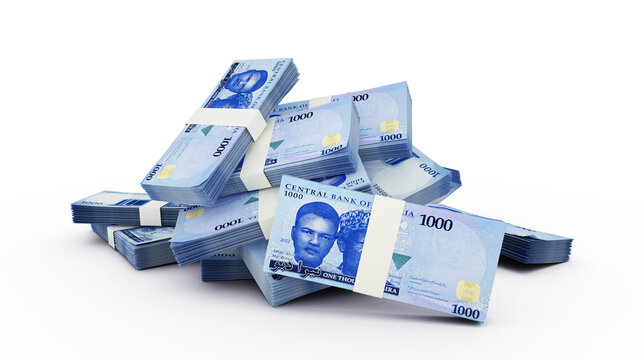
Deutsche Bank has added Nigeria to its frontier foreign exchange monitor, identifying the naira as undervalued and attractive to investors betting on further appreciation against the US dollar, according to Bloomberg.
The German lender cited Nigeria’s relatively high real interest rates and improving external position as factors supporting the currency’s outlook, while warning that government borrowing and fiscal pressures could weaken its performance.
Central Bank of Nigeria data show the naira appreciated by 0.45% in September, strengthening from ₦1,335.50 per dollar at the end of August to ₦1,329.50 at the end of September. The currency gained ₦6 against the dollar during the month.
According to Bloomberg, Deutsche Bank strategists and economists see opportunities in naira-denominated assets for investors pursuing carry trades, which seek to benefit from interest-rate differences between currencies. The bank also noted that local equities and domestic bonds have delivered strong returns for international investors.
However, Deutsche Bank identified fiscal policy as a key risk to sustaining the currency’s gains. “The principal risk to the outlook is from the fiscal side,” the bank said on Monday, pointing to the Debt Management Office’s quarterly bond issuance calendar as signalling “elevated issuance levels.”
The bank expects government spending to rise ahead of Nigeria’s January elections, potentially placing pressure on public finances and domestic financial markets. It considers fiscal developments and borrowing needs a greater risk to the naira than the elections themselves.
The bank’s monitor also tracks Angola’s kwanza and Ghana’s cedi. Bloomberg’s report linked the countries’ external positions to commodity-market support, with higher crude oil prices benefiting Nigeria and Angola and firmer gold prices supporting Ghana. Relatively high real interest rates and foreign exchange reserves were also identified as factors supporting investor interest.
What’s Being Said
Deutsche Bank’s assessment, as reported by Bloomberg, combines a positive view of the naira’s valuation and real yields with a warning about government borrowing. The supplied report does not include an independent analyst’s response or a direct CBN comment on the bank’s assessment.
What’s Next
- Investors will monitor the government’s bond issuance calendar for signs of increased borrowing pressure.
- Market participants will watch subsequent CBN exchange-rate data to assess whether the naira sustains its September gains.
- Fiscal spending and financing developments ahead of the elections will remain important indicators for the currency’s outlook.
Bottom Line
The Bottom Line: Deutsche Bank’s assessment suggests that attractive yields and an improving external position can support demand for naira assets, but they do not eliminate fiscal risks. The sustainability of the currency’s gains will depend partly on whether government borrowing and spending remain compatible with the improved external position.