





Key points
- Flash floods have killed 12 people in Ghana after record rainfall inundated Accra and surrounding areas.
- Emergency responders rescued more than 470 trapped residents as floodwaters submerged communities.
- President John Mahama said Accra received 140 millimetres of rainfall, the heaviest in years.
- The government has approved 300 million cedis for emergency relief, while neighbouring Ivory Coast is also battling deadly floods.
Main story
At least 12 people have died after severe flash floods submerged large parts of Ghana’s capital, Accra, and surrounding communities following what authorities described as the heaviest rainfall the city has experienced in years.
The Ghana National Fire Service (GNFS) confirmed that the victims included eight men, three women and a child. It added that emergency responders rescued more than 470 people who were trapped by rising floodwaters.
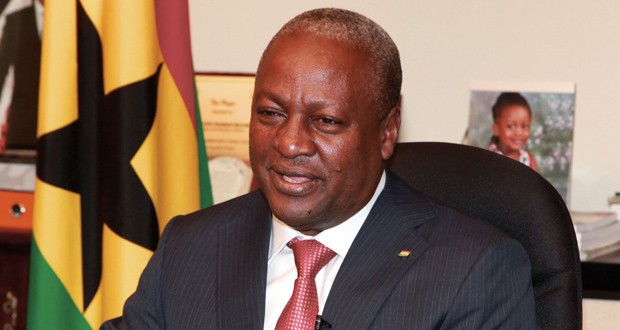
President John Dramani Mahama, who visited affected areas to assess the damage, said preliminary weather reports showed that Accra recorded 140 millimetres of rainfall during the storm.
According to him, the downpour far exceeded the previous peak single-day rainfall recorded in 2025, which stood at 56 millimetres.
Mahama attributed the intensity of the rainfall to changing climate conditions, saying the scale of the weather event was beyond the government’s control.
He, however, assured residents of an immediate government response, announcing the release of 300 million cedis, equivalent to about $27 million, to support emergency relief operations.
The president also directed the Ghana Armed Forces and the Police Service to work alongside the National Disaster Management Organisation (NADMO) to strengthen ongoing search and rescue efforts.
The latest flooding once again exposed Accra’s long-standing vulnerability to seasonal floods. Urban planning experts have consistently blamed the recurring disasters on inadequate drainage systems, blocked waterways and rapid, unregulated urban development that has reduced the city’s natural drainage capacity.
The flooding also reflects a broader regional weather emergency.
Neighbouring Ivory Coast is experiencing similar flooding, with emergency officials and interior ministry sources reporting that at least 20 people have died. The Ivorian government has yet to release an official casualty figure.
The issues
Flooding has become an increasingly frequent challenge across West Africa as rapid urbanisation, inadequate drainage infrastructure and more intense rainfall linked to climate change increase disaster risks. Many cities continue to struggle with blocked waterways and unplanned development that worsen flood impacts.
What’s being said
“Preliminary weather reports indicated Accra recorded 140 millimetres of rainfall.” — John Dramani Mahama
“The scale of rainfall was driven by changing climate conditions… beyond government’s control.” — John Dramani Mahama
What’s next
Emergency responders continue search and rescue operations across affected communities while the Ghanaian government begins relief and recovery efforts. Authorities are also expected to assess infrastructure damage and review flood mitigation measures ahead of the remainder of the rainy season.
Bottom line
The deadly floods underscore how increasingly intense rainfall, combined with urban infrastructure challenges, is making West African cities more vulnerable to climate-related disasters.