




KEY POINTS
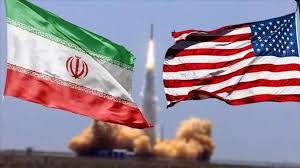
- Delegations from Iran and the U.S. are meeting in Geneva for a third round of indirect talks this year, mediated by Oman against a backdrop of regional military tension.
- Iran’s delegation is led by Foreign Minister Abbas Araghchi, while the U.S. is represented by Special Envoy Steve Witkoff and Jared Kushner.
- Tehran is signaling a willingness to limit uranium enrichment in exchange for relief from sweeping economic sanctions, though it maintains “red lines” regarding its missile program and regional alliances.
MAIN STORY
Iran and the United States are entering a critical round of indirect nuclear negotiations this Thursday in Geneva. Mediated by Oman, the talks feature Iranian Foreign Minister Abbas Araghchi and U.S. representatives Steve Witkoff and Jared Kushner.
The meeting occurs during a period of heightened military tension and follows an ultimatum from U.S. President Donald Trump, who recently warned of “bad things” if a deal is not reached within a 10- to 15-day deadline.
The negotiations center on Iran’s nuclear program, which Western allies seek to prevent from yielding nuclear weapons. While Iran maintains its program is for civilian use, it has signaled a willingness to restrict uranium enrichment to levels stipulated in the 2015 JCPOA—the agreement Trump withdrew from in 2018.
However, Iranian officials refuse to dismantle their enrichment infrastructure or negotiate on their missile program and support for regional militant groups.
In exchange for nuclear concessions, Iran is demanding relief from economic sanctions that have fueled a deep national crisis and weakened its middle class.
The stakes are underscored by a massive U.S. military buildup in the Middle East, reportedly the largest since 2003. In response to potential threats, Iranian President Masoud Pezeshkian has warned of “comprehensive war” should Supreme Leader Ali Khamenei be targeted, while Khamenei has cautioned that any conflict could spiral into a broader regional war.
WHAT’S BEING SAID
- “We’re either going to get a deal or it’s going to be unfortunate for them,” stated President Donald Trump regarding the 15-day ultimatum.
- President Masoud Pezeshkian threatened a “comprehensive war” if the Supreme Leader is targeted.
- Supreme Leader Ali Khamenei cautioned that any U.S.-initiated conflict could “spiral into a broader regional war,” though he noted Iran does not seek this outcome.
WHAT’S NEXT
- Rafael Grossi, head of the International Atomic Energy Agency, is expected in Geneva following preparatory talks to oversee technical nuclear safeguards.
- Observers are closely watching the 10- to 15-day window set by the Trump administration for a diplomatic breakthrough.
- The presence of two U.S. aircraft carriers and expanded air force assets remains a critical factor as negotiations proceed in neutral Switzerland.
BOTTOM LINE
The Bottom Line is that the Geneva talks represent a final diplomatic push to avert military confrontation. While Iran seeks economic survival through sanctions relief and the U.S. demands nuclear non-proliferation, the success of the negotiations depends on whether both sides can navigate rigid “red lines” before the current ultimatum expires.