









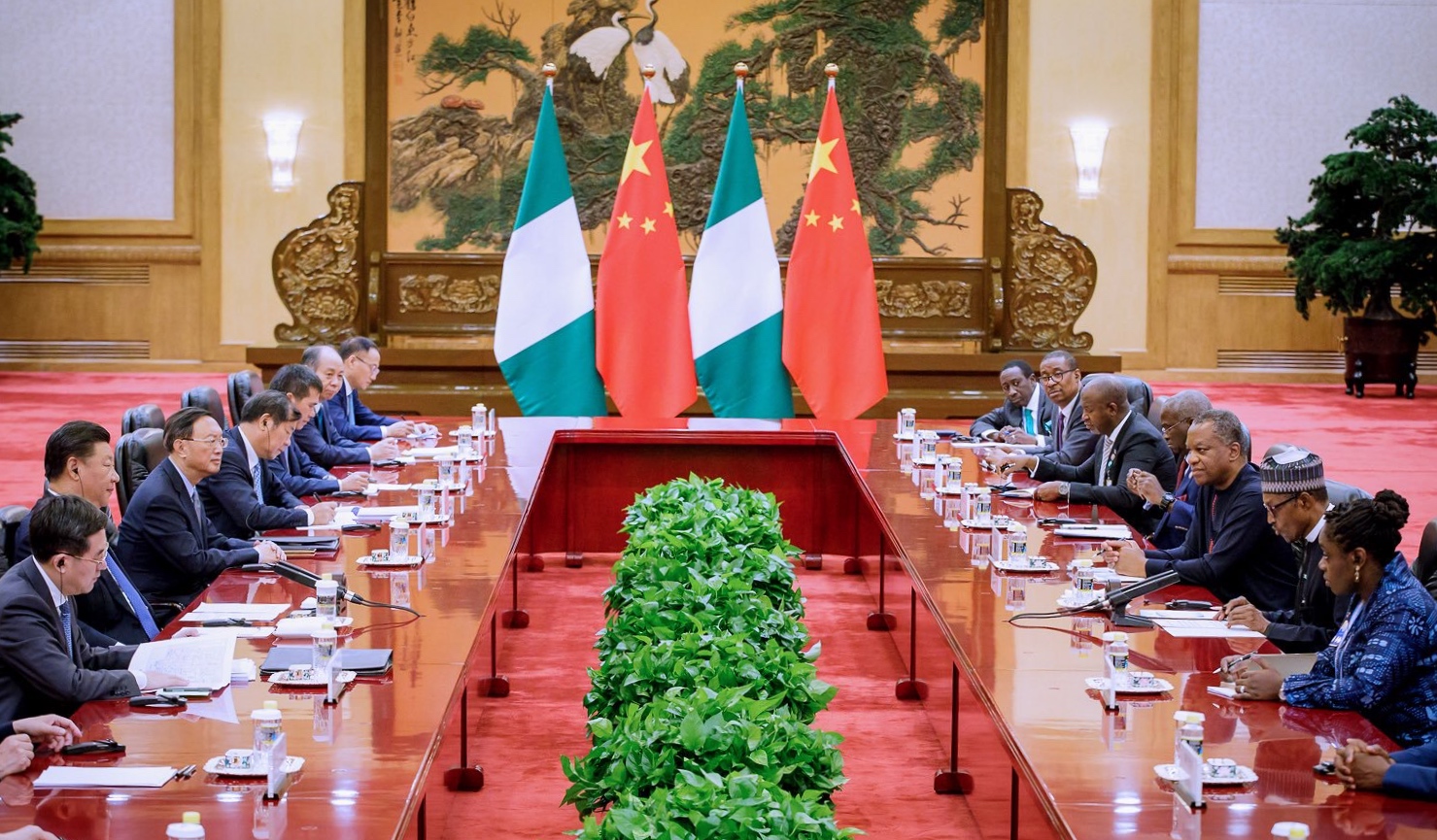
The Director-General of the Nigeria–China Strategic Partnership (NCSP), Joseph Tegbe, has described the recently introduced Zero-Tariff Agreement as a defining moment in Nigeria–China economic relations, stating that it opens expanded access for Nigerian exporters into one of the world’s largest consumer markets.
Speaking on the implications of the preferential trade framework, Tegbe said the agreement provides a structured pathway for export diversification, industrial growth, and employment generation. However, he cautioned that unlocking its full economic value would depend on strict compliance with international quality standards, disciplined policy implementation, and proactive engagement from Nigeria’s private sector.
According to him, the NCSP is currently coordinating with government institutions, manufacturers, exporters, and trade associations to ensure Nigeria maximises the opportunities embedded in the tariff-free window. The goal, he noted, is to translate diplomatic alignment into measurable economic outcomes.
55 Years of Diplomatic Relations Mark Strategic Transition
Tegbe also congratulated the government and people of China on the celebration of the Spring Festival, noting that this year’s festivities coincide with the 55th anniversary of formal diplomatic ties between Nigeria and China.
He described the milestone as evidence of a resilient and steadily evolving bilateral relationship that began in 1971 and has since matured into one of Africa’s most consequential economic alliances.
Now elevated to the status of a Comprehensive Strategic Partnership, cooperation between both countries extends across infrastructure development, trade expansion, industrial financing, technology transfer, and cultural exchanges.
China remains among Nigeria’s largest trading partners and continues to play a central role in infrastructure modernisation efforts. Rail networks, port development projects, power infrastructure, and industrial processing zones supported by Chinese investment have significantly strengthened Nigeria’s productive capacity and connectivity.
Zero-Tariff Framework Targets Export-Led Growth
Tegbe characterised the present phase of engagement as a “new dawn” in Nigeria–China relations, marked by a strategic shift toward value-added exports and deeper industrial integration.
He pointed specifically to China’s Zero-Tariff initiative for eligible African exports — including products originating from Nigeria — as a transformative platform capable of accelerating non-oil export growth.
The preferential access arrangement is expected to enhance competitiveness for Nigerian agricultural produce, solid minerals, and processed goods in the Chinese market, thereby reducing Nigeria’s historic dependence on crude oil exports.
“As we celebrate 55 years of bilateral engagement, the renewal symbolised by the Spring Festival reflects the next chapter in Nigeria–China relations — one built on industrial upgrading, stronger economic integration, and shared prosperity,” Tegbe stated.
Industry analysts note that the Zero-Tariff Agreement, if strategically deployed, could reshape Nigeria’s export profile, stimulate domestic manufacturing, and deepen long-term economic ties with Asia’s largest economy.





, Joseph Tegbe, has described the recently introduced Zero-Tariff Agreement as a defining moment in Nigeria–China economic relations, stating that it opens expanded access for Nigerian exporters into one of the world’s largest consumer markets.)