









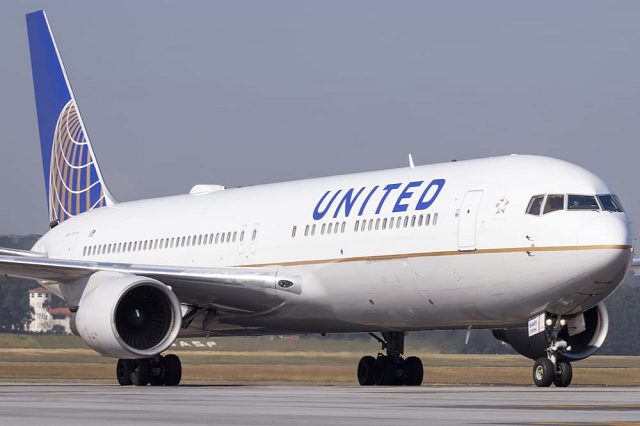
United Nigeria Airlines reported a significant disruption to its flight schedules on Thursday, February 12, 2026, after one of its Airbus A320 aircraft suffered a bird strike at the Port Harcourt International Airport (PHC). The incident occurred at approximately 3:00 p.m. as flight UN0514/614, arriving from the Murtala Muhammed International Airport in Lagos, was landing. While no injuries were reported among the passengers or crew, the airline immediately grounded the aircraft to undergo mandatory safety and technical inspections.
The airline confirmed that although initial post-landing checks showed no visible external damage, the aircraft was withdrawn from service for a “comprehensive inspection” to ensure full airworthiness. This precautionary measure, while necessary for safety, triggered a ripple effect of delays across the carrier’s network. United Nigeria Airlines issued a statement apologizing for the inconvenience, noting that the grounded Airbus A320 would only return to service once it met all regulatory safety requirements.
This latest event underscores a growing operational crisis for Nigerian carriers, who reportedly lose over ₦20 billion annually to bird strike incidents. The hazard is particularly acute at Port Harcourt International Airport, where similar strikes have affected other major players like Air Peace in recent months.
Aviation experts note that these incidents typically occur during the low-altitude phases of takeoff and landing, where bird activity is highest. For an airline, a single strike can mean weeks of grounding, specialized part replacements, and massive revenue loss from cancelled flights.+3
To mitigate the impact on travelers, United Nigeria Airlines has activated its customer support protocols, offering rebooking assistance and timely updates. However, the recurring nature of these strikes has reignited calls from the Airline Operators of Nigeria (AON) for the
Federal Airports Authority of Nigeria (FAAN) to improve wildlife management and bird deterrent systems at the nation’s major airports. As the grounded A320 undergoes its safety checks, the industry remains on high alert regarding the persistent “unseen” threat of avian collisions.





. The incident occurred at approximately 3:00 p.m. as flight UN0514/614, arriving from the Murtala Muhammed International Airport in Lagos, was landing. While no injuries were reported among the passengers or crew, the airline immediately grounded the aircraft to undergo mandatory safety and technical inspections.)