








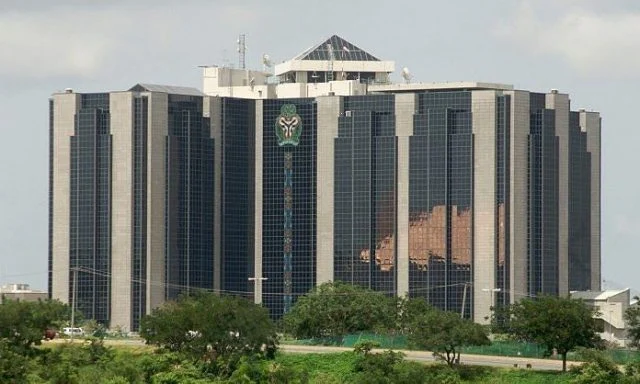
The Central Bank of Nigeria (CBN) and the Nigerian Communications Commission (NCC) have proposed that subscribers receive instant refunds—within 30 seconds—for failed airtime and data purchases, in a move aimed at addressing persistent billing complaints in the telecommunications sector.
The proposal is contained in the Exposure Draft of the Joint CBN–NCC Framework for the Resolution of Failed Airtime and Data Purchase Transactions, published on the CBN’s website on Monday.
Dated February 5, 2026, the draft framework seeks to institutionalise clear accountability and establish a coordinated consumer redress mechanism across Nigeria’s financial and telecommunications ecosystems.
A major highlight of the proposed framework is the introduction of standardised and automated timelines for resolving failed transactions, an area that has long frustrated consumers who often experience prolonged delays when airtime or data purchases fail at the bank, aggregator or mobile network operator (MNO) level.
To address this challenge, the regulators are proposing a 30-second window for automated reversals. Section 6.0(ii) of the exposure draft stipulates that refunds must be processed within 30 seconds where transactions fail at the bank level, at NCC-authorised licensees, or between MNOs and their digital vending partners.
The draft mandates the automation of reversal processes across all stakeholders, ensuring that refunds are processed seamlessly without requiring customer intervention. It further outlines operational obligations for all parties involved in airtime and data transactions, including strict connectivity to only authorised licensees approved by the CBN and NCC.
Under the framework, banks and MNOs are required to transact exclusively with NCC-authorised licensees and digital channel partners, while failure notifications will constitute final settlement obligations between MNOs and authorised vendors. The regulators also reserve the right to conduct joint or individual audits at quarterly intervals to assess compliance.
To strengthen oversight, the CBN and NCC have proposed the establishment of a Central Monitoring Dashboard, to be jointly hosted by both regulators. The platform will provide real-time visibility into transaction reversals, Service Level Agreement (SLA) breaches and customer complaints across the value chain.
According to the draft, the dashboard will serve as a national “Failed Transactions Dashboard” with uniform error codes and end-to-end transparency, addressing the longstanding problem of unclear liability where banks and telecom operators routinely shift blame for failed recharges. To support this initiative, banks and MNOs will be required to maintain and share daily reports of both successful and failed transactions.
The proposed framework also tackles losses associated with recharging ported phone numbers. It mandates MNOs to validate numbers against the national ported number database before processing any recharge. Where a number is identified as ported out or invalid, the system must automatically halt the transaction and return a failure code to the bank to prevent customer debit.
In cases of erroneous recharges sent to unintended recipients, the draft sets out clear recovery procedures. For amounts below ₦20,000, MNOs are required to seek the recipient’s consent before reversing the transaction. For sums exceeding ₦20,000, an affidavit of indemnity or a notarised letter will be required to facilitate recovery.
The CBN and NCC signalled a firm compliance posture, announcing plans for joint quarterly audits of all stakeholders, including banks, payment service providers and MNOs. The regulators warned that penalties would be imposed for any breach of the framework’s provisions.
Banks and other financial institutions have until February 10, 2026, to submit their comments on the exposure draft ahead of its finalisation. Once implemented, the framework is expected to significantly enhance consumer protection and restore subscriber confidence in Nigeria’s digital financial and telecommunications ecosystem.












 and the Nigerian Communications Commission (NCC) have proposed that subscribers receive instant ...)