





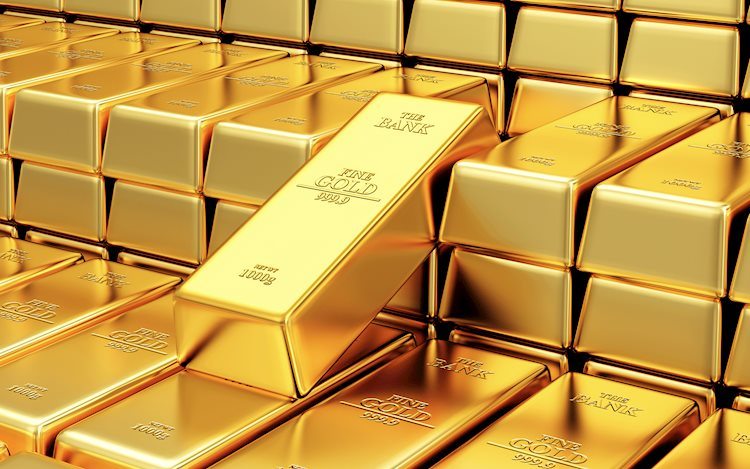
Gold prices shattered the psychologically significant $5,000 per ounce barrier for the first time in history on Monday, January 26, 2026. Spot gold surged as high as $5,111 during intraday trading, extending a relentless rally fueled by escalating trade tensions and a weakening U.S. dollar.
Analysts at Goldman Sachs and J.P. Morgan have responded by raising their year-end forecasts to as high as $5,400, citing “crisis of confidence” in traditional assets and sustained buying by central banks. This 17 percent gain in January alone follows a historic 2025 where the metal climbed over 64 percent, cementing its status as the ultimate hedge against global fiscal uncertainty.
For major African producers, the $5,000 mark represents a massive fiscal windfall. Ghana, the continent’s top producer, saw its gold export revenue reach $15.4 billion by late 2025, far outstripping its cocoa earnings of $2.8 billion. This surge has provided a critical cushion for the Ghanaian cedi, which has appreciated significantly against the dollar.
Similarly, Uganda has reported a “gold boom” where bullion has officially overtaken coffee as the nation’s primary foreign exchange earner. In 2025, Uganda’s gold exports jumped 76 percent to reach $5.8 billion, driven by both its first large-scale industrial mine and its emergence as a regional refining hub for East Africa.
The rally is being described by market experts as the “anti-Trump trade,” as investors flee toward real assets in response to radical shift in U.S. trade policies and tariff threats against global allies. Beyond central banks, private-sector demand for gold bars and coins is projected to average 330 tonnes per quarter through 2026.
While some technical indicators suggest the market is “overbought,” the fundamental drivers—including expanding global debt and compressed yields suggest that any short-term corrections will likely be met with aggressive buying from institutional players looking to diversify their reserves.
As the “yellow metal” continues its record-breaking run, the impact is being felt across the entire precious metals complex. Silver has also crossed the $100 mark for the first time, fueled by industrial demand from AI infrastructure.
For countries like Ghana, Ethiopia, and Uganda, the transition from agricultural-led to mineral-led export economies is accelerating. Governments are now being urged to use this “gold-driven” liquidity to fund infrastructure and stabilize local currencies, ensuring that the current commodity super-cycle leaves a lasting legacy of industrial growth.