







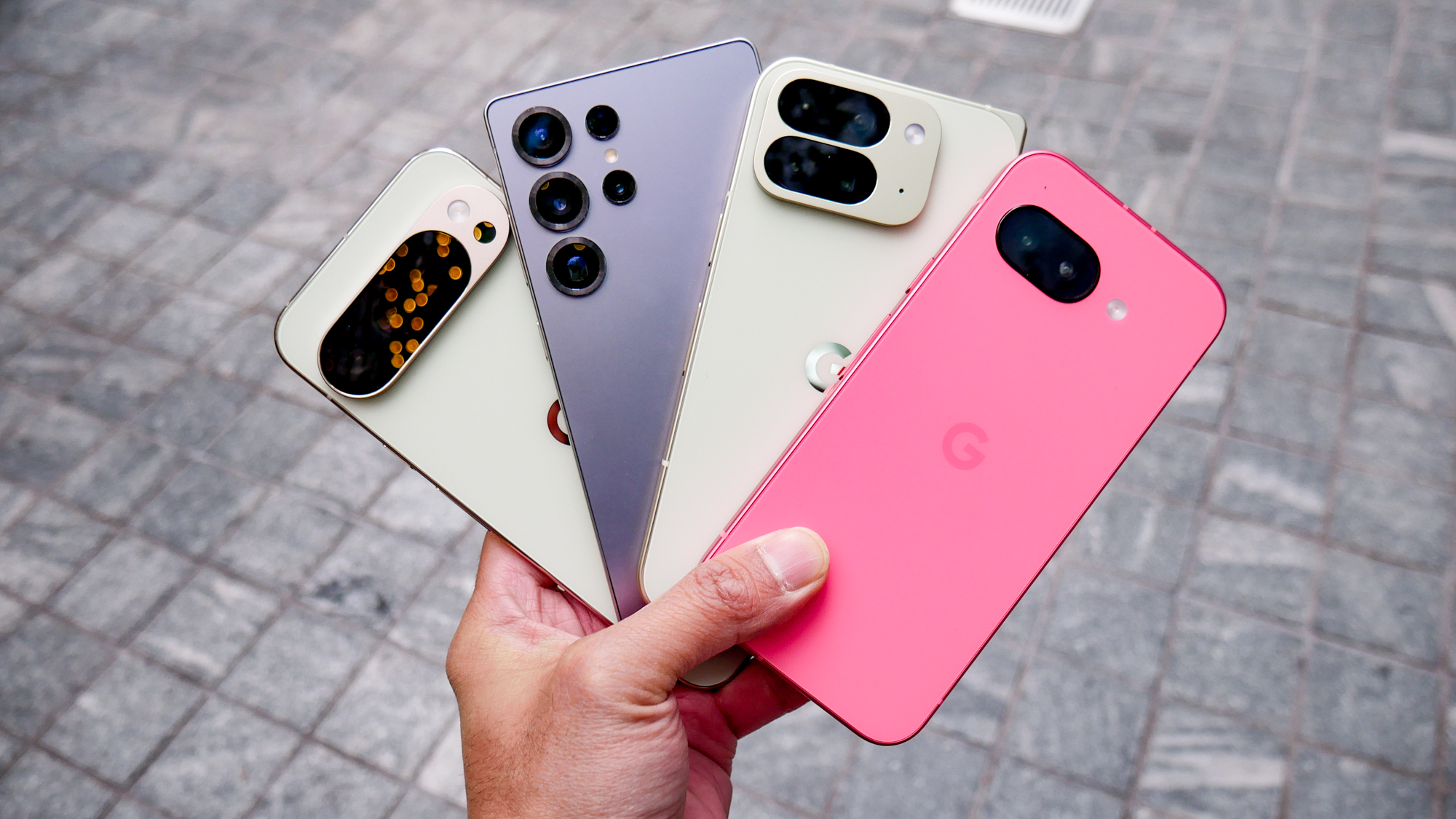
Let’s be honest for a second. Nobody needs a ₦3 million Android phone. Or a $2,000 one. And yet, every year, these devices sell out. Fast.
Why? Because expensive phones aren’t really about calls or WhatsApp anymore. They’re about identity, productivity, prestige—and yes, flexing, whether we admit it or not. For gadget reviewers, power users, luxury buyers, and sellers who understand margins, these phones are the reference points. They set the ceiling.
So let’s talk about the Android phones sitting right at the top of the food chain in early 2026.
1. Huawei Mate XT (Tri-Foldable): The Phone That Refuses to Be Ignored
This is not a phone you casually pull out at a meeting. The Huawei Mate XT is a statement—three panels, one massive 10.2-inch flexible display, and engineering that still makes competitors uncomfortable.
Price range: $2,500–$3,000+
The tri-fold design means it can behave like:
- A regular phone
- A mini tablet
- Or a full productivity screen that feels closer to a small laptop. Specs-wise, Huawei didn’t play it safe. Expect:
- Kirin flagship chipset with AI-heavy task handling
- OLED tri-fold panel with high refresh rates
- Large battery split across hinges for balance
- Satellite communication support (market-dependent)
Yes, Google services remain the elephant in the room. But here’s the thing—buyers at this level already know what they’re signing up for. They want hardware audacity. And the Mate XT delivers that in excess.
2. Samsung Galaxy Z Fold 7: Luxury Through Refinement
If the Huawei is loud, the Galaxy Z Fold 7 is polished confidence. Samsung didn’t reinvent foldables here; it perfected them.
Price range: $1,900–$2,400
This is thinner. Lighter. Stronger. And somehow more boring—in a good way.
Key highlights include:
- Snapdragon 8 Elite processor
- Brighter, tougher inner display
- Better hinge durability (again)
- Multitasking that actually feels natural now
For business users, real estate matters. Emails on one side, spreadsheets on the other, Teams floating somewhere in between. It works. Cleanly. For sellers, this remains the safest high-ticket Android device to stock. Demand is steady. Brand trust does the heavy lifting.
3. Google Pixel 10 Pro Fold: Smart, Quiet, Expensive
You don’t buy the Pixel Fold to show off at a club. You buy it because you care about what people think.
Price range: $1,700–$2,000
Google’s angle is software-first luxury:
- Gemini AI is baked deep into the system.
- Industry-leading computational photography
- Clean, restrained design
- Tight ecosystem integration
Camera performance remains the calling card. Photos look natural, not theatrical. Skin tones behave. Night shots don’t scream “AI.” For reviewers, this phone is fascinating because it proves something important: raw specs aren’t everything anymore.
4. Samsung Galaxy S26 Ultra: The Slab That Still Rules
Foldables get the hype, but slab phones still pay the bills. The Galaxy S26 Ultra is proof.
Price range: $1,400–$1,700
This thing is stacked:
- 200MP primary camera
- Titanium frame
- 2nm Exynos or Snapdragon variant
- Massive battery with refined thermal control
The S-Pen remains quietly powerful. Designers, note-takers, analysts—this is still one of the most versatile tools you can carry without unfolding anything. Honestly, for users who want brute power without moving parts, this remains the easiest recommendation at the high end.
5. Oppo Find N5 / N6: Engineering for People Who Notice Details
Oppo doesn’t shout. It whispers—precisely.
Price range: $1,800–$2,200
The Find N series focuses on:
- Minimal crease visibility
- Excellent hinge tension
- Comfortable one-handed folded use
- Flagship internals with excellent thermal balance
This is the foldable that engineers admire. Reviewers appreciate the ergonomics. And sellers know it attracts informed buyers who’ve already watched ten comparison videos. Not mainstream. Very intentional.
6. Xiaomi 16 Ultra: A Camera Wearing a Phone’s Body
If photography is your obsession, this one makes sense immediately.
Price range: $1,500–$1,900
Xiaomi’s partnership with Leica continues to pay off:
- 1-inch camera sensor
- Advanced periscope zoom
- Manual shooting modes professionals actually use
- Aggressive image processing controls
This phone shines in controlled hands. It rewards knowledge. Casual users may never tap its full potential—but serious shooters will. For content creators, this device quietly replaces entry-level mirrorless setups.
7. Motorola Razr Ultra (2026): Nostalgia, Reinvented With Money
Flip phones are emotional purchases. Motorola understands that.
Price range: $1,300–$1,600
The Razr Ultra leans into:
- Large, functional outer display
- Premium materials
- 16GB RAM configurations
- Compact form with flagship performance
You buy this because it feels good to close your phone after a call. Because it fits into pockets that slabs don’t. Because it’s different. And yes, because people still look twice when you flip it shut.
Final Thoughts: Who Are These Phones Really For?
These devices aren’t chasing volume. They’re chasing influence.
- Reviewers use them as benchmarks.
- Luxury buyers see them as personal statements.
- Power users squeeze productivity out of every inch.
- Sellers rely on them for high-margin wins.
You know what? Expensive Android phones aren’t slowing down. If anything, they’re becoming more focused—less about specs for specs’ sake, more about experience, design, and identity. And in 2026, that might be the most valuable feature of all.