








Renewed threats by the United States to impose tariffs linked to Greenland have intensified geopolitical tensions between Washington and its European allies, with potential implications for trade, defence spending, and long-term economic growth across the region.
According to Fitch Ratings, the proposed tariff measures represent a significant escalation in transatlantic frictions, adding pressure on European governments to accelerate defence expenditure while increasing downside risks to trade flows and economic performance.
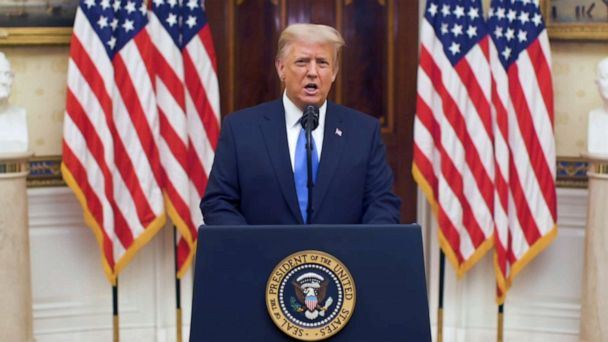
On January 17, U.S. President Donald Trump announced plans to impose a 10% tariff on Denmark and seven other European countries, with the rate set to rise to 25% by June 1 if negotiations fail. The tariffs would reportedly remain in place “until such time as a Deal is reached for the Complete and Total purchase of Greenland.”
Fitch assumes that any new tariffs would be applied on top of existing trade measures, potentially amplifying their economic impact. The ratings agency warned that such actions could undermine European growth prospects and further strain diplomatic relations at a time of heightened security concerns stemming from the ongoing war in Ukraine.
European leaders have responded cautiously. Official statements from the European Union suggest a desire to avoid retaliatory escalation that could weaken the United States’ commitment to European defence. However, some officials have indicated that the Trump administration’s move crosses a diplomatic red line.
The legal basis for the proposed tariffs remains uncertain. Trump is expected to rely on the International Emergency Economic Powers Act (IEEPA), which is currently under review by the U.S. Supreme Court. A ruling is anticipated soon, and an adverse decision could force the administration to explore alternative mechanisms to achieve similar trade outcomes.
Should the tariffs be implemented, Fitch estimates that a 10% effective tariff increase could reduce European GDP by approximately 0.5% by the end of 2027, relative to baseline projections. A move to 25% tariffs would roughly double that impact.
Germany is expected to be the most exposed among major European economies. Fitch projects that German GDP could be 0.8% to 0.9% lower by end-2027 under a 10% tariff scenario, with significantly larger losses under higher tariff rates.
While Fitch currently assumes that any EU response would be restrained due to security considerations, discussions are ongoing around activating countermeasures prepared last year. These measures could target up to €95 billion worth of U.S. imports. France has also floated the possibility of deploying the EU’s anti-coercion instrument, which would allow broader retaliation, including restrictions on U.S. service exports and large technology firms.
Beyond trade, Fitch highlighted the broader sovereign credit implications of worsening U.S.–EU relations, particularly regarding NATO’s cohesion and the credibility of its collective defence commitments. Increased geopolitical uncertainty could raise tail risks, including the possibility of intensified hybrid operations by Russia, especially in the Baltic region.
Fitch noted that it has already factored elevated geopolitical risks into its ratings for Estonia, Latvia, and Lithuania, limiting prospects for near-term upgrades despite improvements in their underlying credit metrics.
Denmark’s sovereign rating remains robust, with Fitch noting that the country’s strong public finances and low debt levels would likely absorb any direct economic fallout from Greenland-related developments. However, second-order political and strategic effects could still pose challenges.
As tensions persist, Fitch expects defence spending pressures to rise across Europe, with NATO members having agreed to lift total defence outlays to 5% of GDP by 2035—up from the current EU median of just over 2%.