






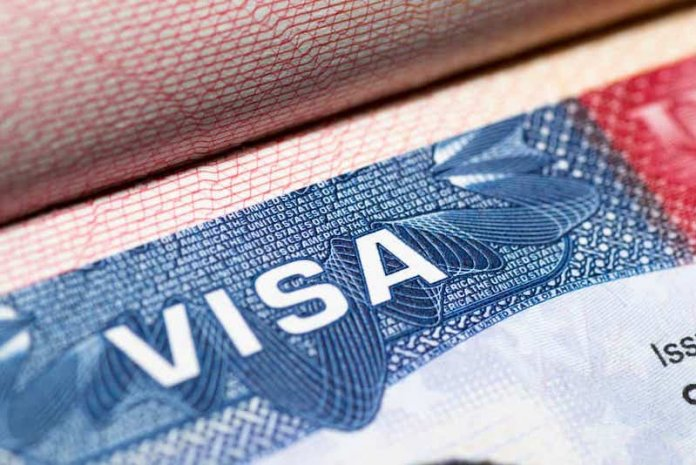
The United States government cancelled more than 100,000 foreign visas in 2025, marking the highest number of visa revocations in a single year and more than doubling the total recorded in 2024.
Data released by the U.S. Department of State shows that the unprecedented figure follows a renewed immigration enforcement drive initiated under President Donald Trump, who signed an executive order on enhanced foreign vetting on his first day back in office.
The revocations form part of a broader recalibration of U.S. immigration policy, with authorities tightening entry requirements, intensifying background checks, and expanding reviews of individuals already residing in the country on valid visas.
Why visas were revoked
According to the State Department, the bulk of cancelled visas were held by business and tourist visitors who failed to comply with the terms of their stay, particularly those who overstayed authorised periods.
Beyond short-term visitors, the crackdown also affected students and skilled professionals. Official figures indicate that approximately 8,000 international students and 2,500 specialised foreign workers lost their legal immigration status during the year.
A State Department spokesperson disclosed that a significant proportion of those affected had prior interactions with law enforcement agencies. Among specialised workers, nearly half of the visa cancellations were linked to arrests for driving under the influence. An additional 30% were tied to assault-related offences, including battery and unlawful confinement.
The remaining cases involved a range of serious allegations, including theft, fraud, embezzlement, child abuse, substance abuse, and drug distribution.
For international students, the department confirmed that close to 500 visa revocations were connected to drug possession and distribution cases, while hundreds of foreign workers lost their status following allegations of child abuse.
Implications for current and future visa holders
Immigration analysts say the scale of the 2025 revocations reflects a hardening U.S. stance toward non-citizens, particularly students, skilled workers, and short-term visitors.
For prospective applicants and existing visa holders, the developments highlight the growing emphasis on strict compliance with visa conditions, maintaining a clean legal record, and meeting increasingly rigorous eligibility criteria.
U.S. authorities have also expanded continuous monitoring mechanisms, meaning visa holders may face review even after entry, rather than only during the application process.
The broader policy backdrop
The visa cancellations align with President Trump’s long-standing immigration agenda, which prioritises tighter border controls and reduced migration inflows.
Trump has repeatedly pledged to permanently halt migration from what he refers to as “Third World countries” and to reverse immigration admissions approved during the Biden administration. He argues that the U.S. immigration system is under unsustainable pressure.
The president has consistently linked rising migrant numbers to increased public spending on housing, healthcare, education, and welfare services, contending that these costs ultimately fall on American taxpayers and divert resources away from citizens and permanent residents.
He has also criticised migrant access to public benefits, insisting that immigration policy should prioritise individuals who are financially independent and capable of contributing economically rather than relying on government support.
Earlier this year, Trump shared data on his Truth Social platform titled Immigrant Welfare Recipient Rates by Country of Origin, covering 114 countries and territories. The chart claimed that 33.3% of Nigerian immigrant households in the U.S. receive some form of public assistance, including food support and healthcare benefits—figures the administration uses to justify its tougher enforcement approach.