










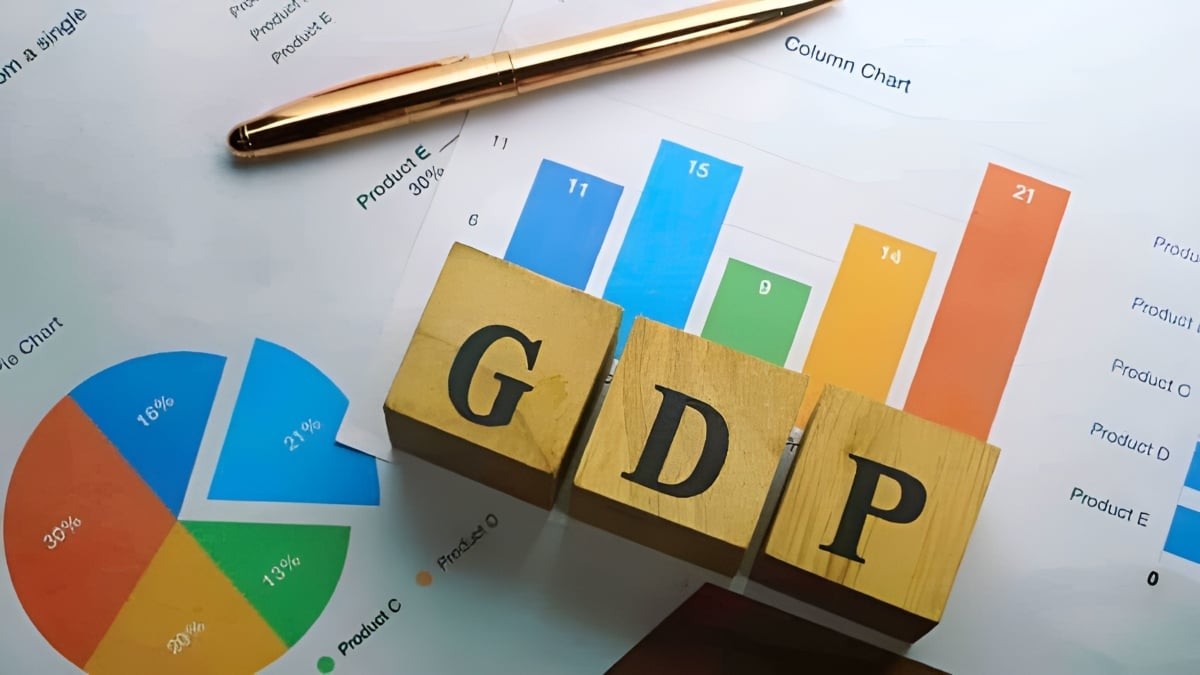
Stakeholders in the Nigerian industrial sector have projected a significant recovery for manufacturing in 2026, with real growth expected to reach 3.1%. This optimistic outlook follows a difficult 2025, where the sector faced quarterly declines of up to 1.25%. Experts believe that if key policy reforms are fully executed, the sector’s contribution to the nation’s Gross Domestic Product (GDP) will rise to 10.2%.
The Manufacturers Association of Nigeria (MAN) stated that this recovery depends heavily on the “Nigeria First” policy framework and the incentives provided under new tax laws. Segun Ajayi-Kadir, the Director-General of MAN, explained that the operationalization of the National Single Window Project—a platform meant to simplify trade—will be a critical driver for growth in the coming year.

Economic indicators also appear to be moving in a favorable direction for factory owners. MAN expects the Naira to stabilize between ₦1,300 and ₦1,400 to the dollar, supported by stronger external reserves and higher oil prices. Inflation is also projected to moderate to 14%, down from the 16.05% high seen in late 2025. Additionally, the Central Bank of Nigeria is expected to cut the interest rate to approximately 23%, making it cheaper for manufacturers to borrow money for expansion.
However, the Centre for the Promotion of Private Enterprise (CPPE) warned that structural issues remain a major hurdle. Dr. Muda Yusuf, Director of the CPPE, noted that problems such as high energy costs, poor logistics, and port delays are deep-seated and cannot be fixed with short-term solutions. He pointed out that companies that source their raw materials locally and reduce their dependence on foreign exchange will be the most successful in this new environment.
To ensure this 3.1% growth is achieved, Yusuf urged the Federal Government to fix the power sector value chain and protect domestic producers from unfair import competition. He also called for development finance institutions to provide long-term, low-interest loans specifically tailored for manufacturing, as commercial bank rates remain too high for industrial investment.
Overall, the broader economy is expected to grow by 4% in 2026. This expansion is likely to be fueled by increased oil output and a surge in local consumption, particularly during the election campaign activities scheduled for the fourth quarter of the year.










 will rise to 10.2%.)