






Tax Tensions and Tragedies: My First Ward Round On Nigeria
Welcome to 2 Cents + ward rounds with Oputah David. For a while now, I have been dropping my ‘two cents’, two short paragraphs, quick reactions, sharp observations, on issues that keep Nigeria permanently in conversation with itself, in a special opinion section on Vanguard Newspaper.
But after a while, you realise that some conversations deserve more than drive-by commentary. They deserve space, structure and context. That is how 2 Cents with Oputah David grows into a full-fledged column, with Ward Rounds tagging along, a deliberate touch on other big issues where we take stock of the nation’s pulse.
I make no pretence about my influences. I am an ardent follower of Simon Kolawole, whose Live column with “four other things” taught many of us that seriousness does not require stiffness, and that clarity is itself a form of courage. Segun Adeniyi’s calm, insider precision also looms large. This column borrows from that tradition but brings its own lens: public relations, strategic communication, and the belief that many of Nigeria’s crises are worsened, not created, by how they are communicated.
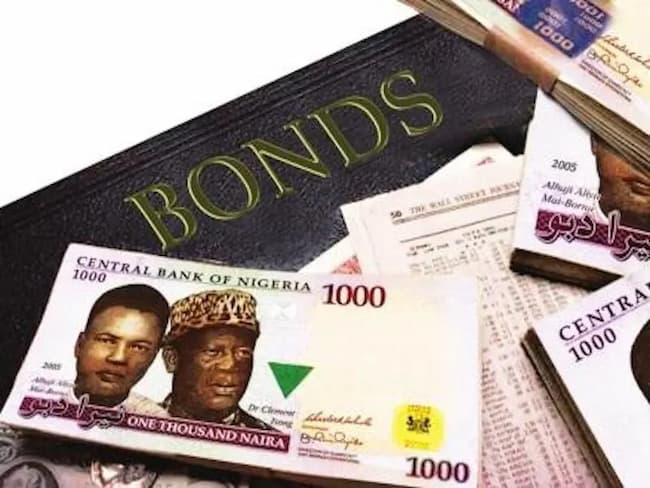
Which brings me to the Nigeria Tax Act 2025, scheduled to take effect on January 1, 2026. On paper, tax reform is not new territory. Governments everywhere tweak, amend, expand and consolidate taxes in search of efficiency and revenue. What makes this moment combustible is not just the substance of the law, but the fear, confusion, obfuscation and mistrust that have followed its communication. Nigerians are not merely reacting to policy; they are reacting to uncertainty.
From the ongoing debates about which terms to use when transferring money, to concerns over double taxation, compliance thresholds and enforcement powers, the conversation has been allowed to drift into anxiety.
From a public relations and strategic communications standpoint, this controversy is textbook. Policy communication is not an afterthought; it is the policy. When officials make not-so-funny statements without first educating a population already battling inflation fatigue, suspicion fills the vacuum. The result is speculation, then panic and resistance as we can see.
While government officials insist the tax reforms will ultimately help everyone, industry players in the aviation sector, like Air Peace’s Allen Onyema, are warning of a likely surge in domestic airfares. Both positions may be valid, but the absence of a coordinated communication framework allows these messages to clash in public, leaving consumers confused and anxious. When stakeholders speak past one another, markets react emotionally. In Nigeria, emotional markets translate to real pain for ordinary people. Communication could have bridged that gap, instead, it widened it.
Now, to the ward rounds …
Ward 1: Anthony Joshua
The country woke up this week to shocking news involving former heavyweight boxing champion Anthony Joshua, who survived a horrific crash on the Lagos–Ibadan Expressway. While he is said to be stable, the tragedy claimed the lives of two close associates. Predictably, statements poured in from President Tinubu and several governors. The sympathy is necessary, but the recurring tragedy of that road, the ritualistic condolences and the unnecessary ‘Nigeria happened to him’ that followed raise questions about when communication will shift from mourning to accountability and preventive action.
Ward 2: NUJ Accident Gombe
Another painful news came from Gombe, where seven journalists and staff of the Nigeria Television Authority (NTA) lost their lives in an auto crash on the Yola–Gombe highway. Journalists are trained to tell other people’s stories, but too often their own deaths pass with little institutional reflection. Beyond condolences, what conversations are media organisations having about travel safety, insurance and duty of care? Silence here is also a form of communication. Adieu colleagues.
Ward 3: NNPCL debt write-off
In a move that barely received the scrutiny it deserved, President Tinubu approved the write-off of $1.42 billion and ₦5.57 trillion debt owed by the NNPCL to the federation account. This is a monumental fiscal decision. Yet, the messaging around it was almost dismissive of public curiosity. Nigerians deserve to understand what this means for accountability, future remittances and the reform narrative around NNPCL. When big numbers are announced without storytelling, it makes room for speculations.
Ward 4: Trump strike
Then came reports of US airstrikes against ISIS camps in Sokoto State under directives from the America’s President Trump. While the Nigerian military confirmed the neutralisation of terrorists, the development reopened sensitive debates around intelligence sharing, casualty and the extent of foreign military involvement. This is one issue where silence is dangerous. Clear, firm and transparent communication is essential not just to reassure citizens, but to define Nigeria’s security posture in a volatile region.
Ward 5: Behind The Scenes
On a lighter but significant note, Nollywood recorded another milestone as Funke Akindele’s Behind the Scenes crossed ₦1 billion, becoming the fastest West African film to do so. Beyond the celebration, it is a masterclass in branding, audience engagement, consistent storytelling and negotiation which lessons policymakers and institutions could learn from. Success, after all, is also about how well you communicate value.
This is what 2 Cents + Ward Rounds with Oputah David M will do every week: take a hard look at the big story, then scan the corridors for the others we shouldn’t ignore. Nigeria’s biggest problem is not always bad policy or bad leadership. Sometimes, it is simply bad communication. And until we fix that, we will keep arguing over the wrong things.
Welcome!