






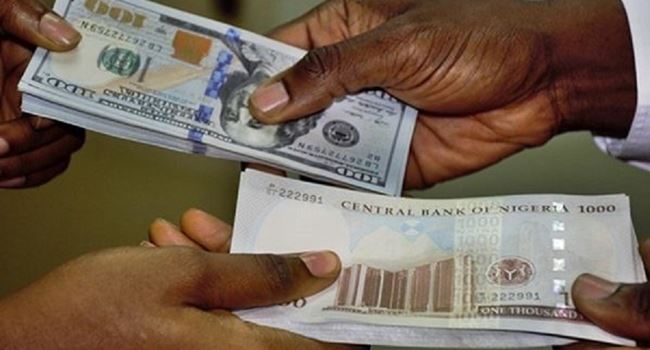
The naira retreated further against the U.S. dollar on Wednesday as reduced FX liquidity triggered fresh pressure in both the regulated and informal currency markets.
The domestic currency depreciated due to tightening dollar supply, with analysts noting that demand for the greenback continues to outpace available inflows. The decline persisted despite expectations that diaspora remittances ahead of the festive season may cushion FX availability in the coming weeks.
At the official window, the spot exchange rate weakened by 0.16% to close at N1,447.65 per dollar. In the parallel market, the naira slipped by 18 basis points, settling at N1,460 per dollar.
Market sentiment remained subdued as currency traders reported renewed pressure across both FX segments. The intraday high touched N1,450 per dollar, while the naira briefly strengthened to N1,443.5000 amid indications of the Central Bank’s presence in the market.
Latest figures from the CBN dashboard showed that Nigeria’s external reserves saw fresh accretion, bringing the balance to $44.914 billion as of Tuesday. Analysts believe ongoing reserve growth could push total reserves above the $45 billion mark in December.
CBN Governor Yemi Cardoso recently revealed that Nigeria’s foreign reserves had climbed to $46.70 billion in November, although the figure is yet to be reconciled with official data releases.
On the global stage, the U.S. dollar traded with a firmer bias after a period of heavy selling, consolidating in a tight range ahead of key monetary policy updates.
Meanwhile, gold prices resumed their upward trajectory following a strong rebound, reaching as high as $4,240 per ounce during early U.S. trading hours. Market experts attribute the rally to rising expectations of imminent monetary easing by the U.S. Federal Reserve.
Current projections show an 88% probability of an interest rate cut by December, with the broader market pricing in roughly 90 basis points of easing through 2026.