








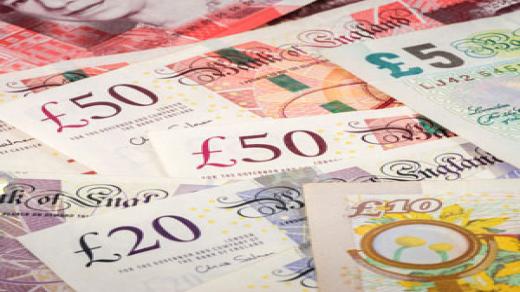
The British pound experienced a notable decline against major foreign-exchange peers after the Bank of England (BoE) elected to maintain its key policy rate at 4 percent. In a narrowly divided 5-4 decision, the BoE’s Monetary Policy Committee opted to leave the Bank Rate unchanged, triggering volatility in sterling markets.
In the immediate aftermath, the GBP/USD pair fell to approximately $1.305, as four members of the committee had pushed for a 25 basis-point cut to 3.75 percent — a move markets had not fully anticipated.
In its policy statement, the BoE emphasised that the consumer-price index appears to have reached a peak, and that risks of sustained inflation have diminished while weaker demand poses increasing downside risks. In its words: “if progress on disinflation continues, the Bank Rate is likely to follow a gradual downward path, though further evidence is needed before easing policy further.”
Sterling traded in a choppy fashion, oscillating between roughly $1.3110 and $1.3150 during the prior session, before falling to around $1.3060 today — its weakest level in seven months. Concerns that the UK budget announcement later this month may deliver unwelcome surprises appear to have weighed on market sentiment.
In parallel, the 10-year US Treasury yield dipped by more than two basis points to under 4.09 percent, while gold traded quietly within yesterday’s range, off by just under $10 in late European-morning turnover.




 elected to maintain its..)