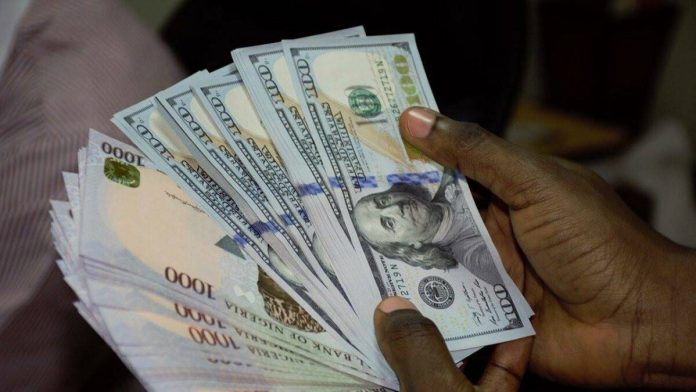
Nigeria’s gross external reserves have climbed to $42.865 billion, marking the country’s strongest reserve position in over five years. Economic projections reviewed by BizWatch Nigeria suggest the reserves could edge up to $43 billion by year-end, a development analysts describe as a reflection of improved foreign exchange inflows and a stabilizing macroeconomic outlook.
According to new data released by the Central Bank of Nigeria (CBN), the latest figures indicate that the nation’s external reserves can now cover approximately 12 months of imports, providing a crucial liquidity cushion for the economy. This performance surpasses pre-naira reform levels and underscores Nigeria’s strengthening foreign reserve management strategy.
Experts attribute the boost in reserves to increased hydrocarbon export earnings, a renewed surge in foreign portfolio investments (FPI), and consistent inflows from diaspora remittances. These factors combined have helped stabilize the nation’s foreign exchange market amid continued reforms by the apex bank.
The reserves opened the year at $40.877 billion, fluctuating modestly through the first and second quarters before reaching the current peak. This growth trajectory has been largely supported by improved oil production levels and robust participation by foreign investors in Nigeria’s fixed-income and equity markets.
Economic analysts believe that sustaining this momentum will depend on maintaining investor confidence, managing FX demand pressures, and enhancing export diversification. The CBN has emphasized its commitment to strengthening reserve buffers to ensure macroeconomic stability and resilience against external shocks.