







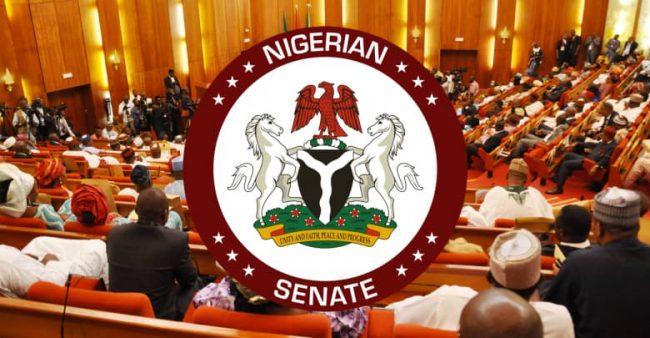
The Nigerian Senate Committee on Public Procurement has renewed its call for stricter compliance and enhanced transparency in the country’s procurement processes, urging reforms that will ensure efficiency, accountability, and value for public spending.
Speaking during a two-day retreat in Abuja on Thursday, Senator Olajide Ipinsagba (Ondo North), Chairman of the Committee, emphasised that public procurement should embody openness and measurable impact on citizens and national development.
He explained that procurement is not merely a bureaucratic function but a vital mechanism that translates government policies into tangible infrastructure and social progress. “Public procurement represents one of the largest components of national expenditure and must, therefore, be guided by the highest standards of integrity and efficiency,” he said.
Ipinsagba noted that since the enactment of the 2007 Public Procurement Act and the establishment of the Bureau of Public Procurement (BPP), Nigeria had made significant progress. However, he acknowledged the need for continuous reforms to address gaps and strengthen governance in the system.
He described public procurement as an evolving process requiring ongoing legislative oversight and institutional innovation to enhance transparency. “By embracing global best practices, Nigeria can make its procurement system a model of efficiency not only in Africa but globally,” he added.
The senator also linked the committee’s efforts to President Bola Tinubu’s Renewed Hope Agenda, stating that transparent procurement would drive development goals such as better infrastructure, education, healthcare, and safer roads.
Kelechi Kingsley, CEO of Leadbold Resource Consulting Ltd., said the retreat was designed to strengthen the Senate committee’s leadership capacity for effective oversight. She added that participants were exposed to global best practices aimed at improving value for money in public spending.
Kingsley emphasised that transparent and accountable procurement systems remain crucial for achieving sustainable national development and promoting public trust in government institutions.