










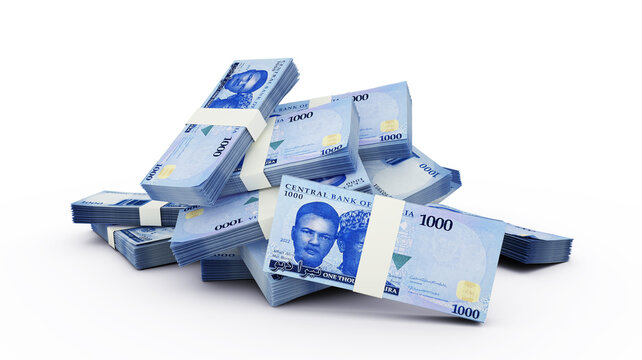
Currency analysts and forex traders across leading investment and commercial banks have forecast a stronger performance for the naira this week, following renewed foreign exchange (FX) interventions by the Central Bank of Nigeria (CBN).
According to market reports, the naira is expected to trade between ₦1,450 and ₦1,460 per dollar at the official window, reflecting optimism that the local currency will recover some of the losses recorded in the previous week.

Forex traders attributed the market’s renewed momentum to the CBN’s active policy adjustments and increased year-end dollar inflows from both institutional investors and exporters.
Last week, the naira fluctuated sharply amid strong demand pressures from foreign portfolio investors (FPIs) and limited FX supply. The currency touched an intraday high of ₦1,479/$ before closing at ₦1,475.35/$, marking a ₦20.18 decline week-on-week.
Despite the depreciation, the CBN injected approximately $70 million into the market, which, coupled with improved liquidity in later sessions, helped stabilize trading activities. Meanwhile, Nigeria’s foreign reserves grew by $92.5 million to $42.68 billion, signaling enhanced external buffers.
Experts say the ongoing policy recalibration by the CBN and sustained offshore portfolio inflows are helping improve market confidence and liquidity. Local forex participation, oil export receipts, and renewed investor appetite continue to strengthen the FX market.
Anchoria Securities Limited, in its latest market report, stated:
“We anticipate continued near-term FX stability as the Central Bank fine-tunes its intervention policies and reinforces liquidity through targeted measures.”
In the global commodities market, Brent crude oil prices fell to $61.00 per barrel from $62.73, pressured by record U.S. production levels, larger crude inventories, and the International Energy Agency’s (IEA) forecast of a possible surplus by 2026. Weaker Chinese demand and easing geopolitical tensions—especially following reports of a potential Trump–Putin summit—also dampened market sentiment.
Conversely, gold prices surged by 4.87% to $4,202.10 per ounce, approaching record highs. The precious metal’s rally was driven by concerns over a potential U.S. government shutdown and expectations of imminent interest rate cuts.
Analysts project that while oil prices could remain subdued in the near term due to easing global risks, precious metals may continue to attract safe-haven demand, and industrial metals could firm up on growing manufacturing activity.



 interventions by the Central Bank of Nigeria (CBN).)