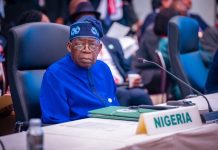








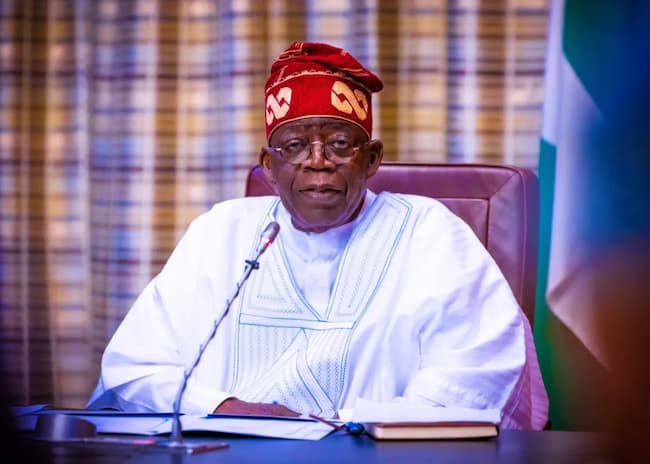
President Bola Ahmed Tinubu is reportedly under mounting pressure to remove certain names from the recently approved presidential pardon list, following public outrage over the inclusion of individuals convicted of violent and high-profile crimes.
Sources revealed that the list, earlier endorsed by the Council of State and presented by the Attorney-General of the Federation (AGF) and Minister of Justice, Prince Lateef Fagbemi (SAN), is currently undergoing a thorough review. The move comes amid backlash from citizens, advocacy groups, and security agencies questioning the integrity of the pardon process.
Presidential Clemency Under Scrutiny

The presidential clemency, traditionally issued during national celebrations, aims to decongest correctional facilities and promote national unity. However, the 2025 pardon exercise has stirred intense debate, with critics arguing that some beneficiaries do not merit the President’s mercy.
According to the Presidency, the list was prepared based on recommendations from the Presidential Advisory Committee on the Prerogative of Mercy, chaired by Fagbemi. It was divided into six categories: general pardons, posthumous pardons (including the Ogoni Nine), presidential clemency, sentence reductions, and commutations from death sentences to life imprisonment.
Despite this structured approach, controversy erupted after names linked to violent crimes appeared on the list. Among them was Maryam Sanda, convicted in 2017 for murdering her husband, Bilyaminu Bello, in Abuja. While some family members of the deceased rejected the pardon, Bello’s father and Sanda’s father later accepted the President’s decision in a joint press briefing.
Other notable beneficiaries included Major S. Alabi Akubo, convicted for illegal possession of firearms, and Kelvin Prosper Oniarah, a notorious kidnapper known for terror operations across Delta, Edo, Rivers, Abia, Benue, and Oyo States.
Security Agencies Raise Objections
Top government sources disclosed that several law enforcement and anti-corruption bodies—including the Economic and Financial Crimes Commission (EFCC), National Drug Law Enforcement Agency (NDLEA), and Independent Corrupt Practices and Other Related Offences Commission (ICPC)—have raised strong objections to the list. They alleged that some names were “smuggled in” without proper vetting by the committee responsible for reviewing applications for clemency.
A senior security official told BizWatch Nigeria that the agencies warned the Presidency against releasing convicts found guilty of murder, kidnapping, or corruption-related offences, stating that doing so could undermine the country’s criminal justice system and ongoing anti-corruption efforts.
“The EFCC, NDLEA, and other agencies have made it clear that some names were not part of the committee’s recommendations,” the source said. “The list must be trimmed to remove individuals whose release could threaten national security or public trust.”
Review Underway
Responding to public concerns, the Attorney-General, Fagbemi, confirmed on Thursday that the Presidential Prerogative of Mercy has not been finalised and remains under review. In a statement issued from Abuja, he clarified that no inmate has been released under the latest clemency exercise.
“The process is still at its final administrative stage,” Fagbemi explained. “It includes a standard verification review to ensure all names fully comply with legal and procedural requirements before any release order is issued.”
He added that the Council of State’s approval marks only one phase of the process. The next step involves issuing the official instruments of release for each beneficiary after a final legal review by the Ministry of Justice and the Controller-General of Corrections.
“This step provides an opportunity for correction and ensures that only deserving individuals benefit from the President’s mercy,” he said, emphasizing that the government remains committed to transparency and due diligence.
Fagbemi also expressed appreciation for public vigilance, describing the widespread reactions as a sign of Nigerians’ concern for fairness and accountability in governance. “The rule of law does not rush; it ensures fairness,” he noted.
Possible Changes to the Final List
Officials familiar with the process revealed that the Presidency is likely to remove individuals whose inclusion has generated widespread controversy. Those convicted of violent crimes, drug trafficking, or offences involving national security are expected to be excluded from the final version.
“The President has been briefed, and a thorough audit of the names is ongoing,” a top government source said. “Only those who meet all the legal and ethical criteria will remain.”
The revised list, once approved, is expected to be made public in the coming days.