









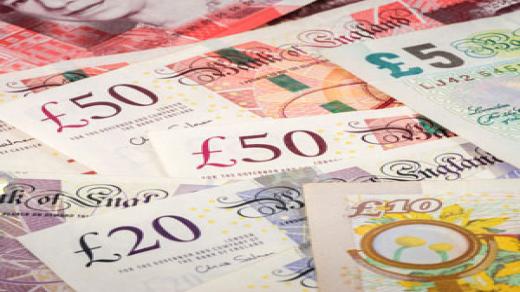
The British pound steadied near $1.35 ahead of next week’s Bank of England (BoE) monetary policy decision, following disappointing economic data that showed weakness at the start of the third quarter.
Official figures revealed that the UK economy stagnated in July, while industrial production unexpectedly declined by 0.9%, raising concerns that tax hikes and tariffs are weighing on consumer and business activity.

Chancellor Rachel Reeves is preparing to unveil fresh tax measures in November to address a widening budget deficit, further stoking uncertainty.
The BoE’s Monetary Policy Committee is expected to keep interest rates unchanged at 4.00% during its September meeting, following its rate cut in August. However, analysts anticipate another divided vote, with some members pushing for a further 25 basis points cut due to labour market slack.
Stefan Koopman, Senior Macro Strategist at RaboResearch, noted:
“We expect a hold in September, but conviction for a November rate cut is fading given sticky inflation, despite growing labour market weakness.”
Sterling continues to benefit from the BoE’s hawkish stance, which has preserved its appeal as one of the few major currencies yielding 4% returns on one-week deposits.
However, investor sentiment remains cautious as the UK still bears the highest sovereign borrowing costs in the G7. Concerns persist around inflation stickiness, rising public debt, and doubts about productivity-driven growth.
With inflation having doubled year-on-year due to energy price pass-throughs, markets are increasingly focused on the BoE’s November 6 meeting, which comes just before the government’s budget presentation.
Analysts believe the September meeting is unlikely to spark major volatility for sterling, but pressure could build later in the year as fiscal and monetary policy decisions converge.












 monetary policy decision, following....)