










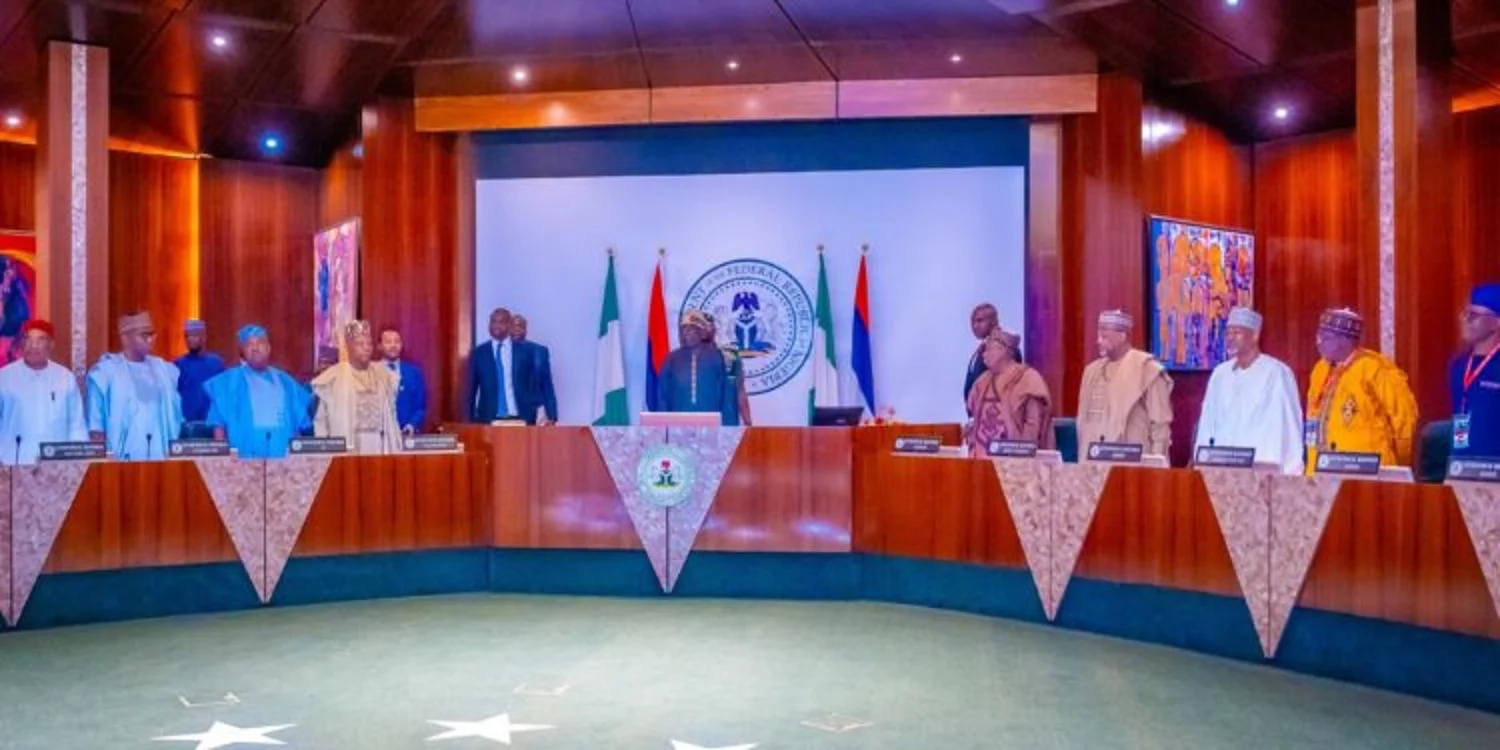
The Federal Government has approved Nigeria’s Medium-Term Debt Management Strategy (MTDS) for 2024–2027, designed to strengthen fiscal stability, ensure debt sustainability, and deepen the domestic securities market.
The Debt Management Office (DMO), in a statement issued at the weekend, confirmed that the framework was endorsed by the Federal Executive Council (FEC) and developed with technical input from the World Bank and International Monetary Fund (IMF).

According to the DMO, the strategy seeks to balance government financing needs with sustainability considerations while minimising borrowing costs and associated risks.
“The key objectives of the MTDS are to meet government financing needs and debt service obligations in the short to medium term, while achieving an optimal composition of the public debt portfolio that guarantees sustainability,” the agency said.
It added that the framework would also help deepen the domestic securities market through the introduction of new debt instruments.
New Debt Benchmarks
The 2024–2027 strategy sets fresh targets across fiscal and risk indicators:
Debt-to-GDP ratio: to rise from 52.25 per cent in 2024 to a ceiling of 60 per cent by 2027.
Interest payments-to-GDP: capped at 4.5 per cent, up from 3.75 per cent in 2024.
Sovereign guarantees-to-GDP: not to exceed 5 per cent, compared with the current 2.09 per cent.
Domestic-to-external debt mix: adjusted from 48:52 to 55:45 to reduce exposure to foreign exchange risk.
Refinancing risk: limited to 15 per cent of debt maturing within a year, with total debt maturing capped at 5 per cent of GDP.
Average maturity: minimum of 10 years to lengthen repayment cycles.
Foreign exchange debt exposure: reduced to 45 per cent of total debt, from 51.75 per cent.
The DMO noted that the strategy was developed through consultations with the Central Bank of Nigeria (CBN), the Federal Ministry of Finance, and other key stakeholders, in line with global best practices.
Investor Confidence
Officials believe the framework will reinforce investor confidence, strengthen Nigeria’s credit ratings, and assure international partners of the country’s commitment to prudent debt management.
The 2024–2027 MTDS builds on the previous 2020–2023 plan, which shifted the focus of borrowing more towards the domestic market. It provides a structured approach for future borrowing, ensuring that government financing decisions are guided by cost, risk, and sustainability considerations.










 for 2024–2027, designed to strengthen fiscal ...)