




Malaria remains one of Nigeria’s deadliest public health challenges, claiming the lives of nine citizens every hour, according to new data from the Society for Family Health (SFH).
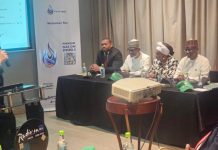
Speaking at a media orientation on malaria prevention held in Kano, SFH’s Social and Behavioural Change Specialist, Sesugh Deborah Oryiman, revealed that 97 per cent of the Nigerian population is at risk of malaria, with children under five and pregnant women being the most vulnerable.

“Malaria kills nine people every hour in Nigeria. The disease is responsible for an estimated 30 per cent of all child deaths and 11 per cent of maternal deaths annually. Alarmingly, one in every five malaria deaths worldwide occurs in Nigeria.” Oryiman stated.
She noted that Nigeria records nearly 110 million clinically diagnosed malaria cases each year, accounting for two out of every four cases in West Africa. The burden of the disease, she added, extends beyond health, contributing to school absenteeism, decreased productivity, and substantial economic losses—impacting up to 40 per cent of the country’s Gross Domestic Product (GDP) due to treatment costs and lost man-hours.
Despite the daunting statistics, there has been a marginal decline in malaria prevalence, with microscopy-confirmed cases dropping from 27 per cent in 2015 to 22 per cent in 2021.
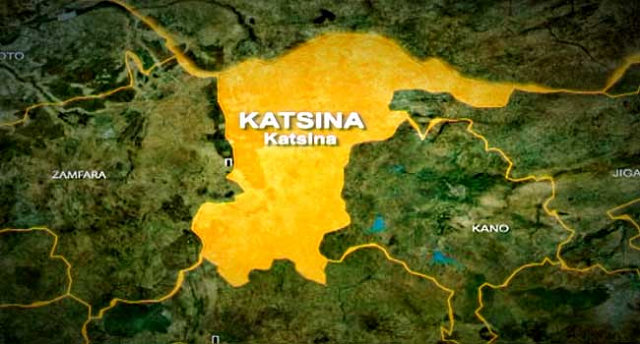
As part of its ongoing efforts to combat malaria, SFH announced the distribution of 7.7 million insecticide-treated nets (ITNs) and more than 15 million doses of seasonal malaria chemoprevention (SMC) drugs across Kano State. The SMC drugs will target children aged three to 59 months in all 44 local government areas.
Oryiman explained that the distribution would focus on wards with the highest malaria burden, adding that sleeping under insecticide-treated nets remains the most effective and cost-efficient prevention strategy.
Also speaking at the event, the Kano State Malaria Elimination Programme Manager, Babangida Gwarzo, disclosed that over 27,000 community mobilisers and distributors have been deployed for door-to-door delivery of the drugs and nets.
According to Gwarzo, more than three million children are expected to benefit from the SMC intervention. He further noted that caregivers would receive tokens to encourage the collection and consistent use of treated nets during the ongoing rainy season, when malaria transmission peaks due to increased mosquito breeding.
The campaign underscores the continued urgency to intensify malaria control and elimination strategies in Nigeria—one of the countries bearing the heaviest global malaria burden.