



In a transformative development for Africa’s media industry, French entertainment powerhouse Canal+ has secured full control of South African pay-TV giant MultiChoice Group in a $3 billion (approx. 55 billion rand) deal, following formal approval from South Africa’s Competition Tribunal.
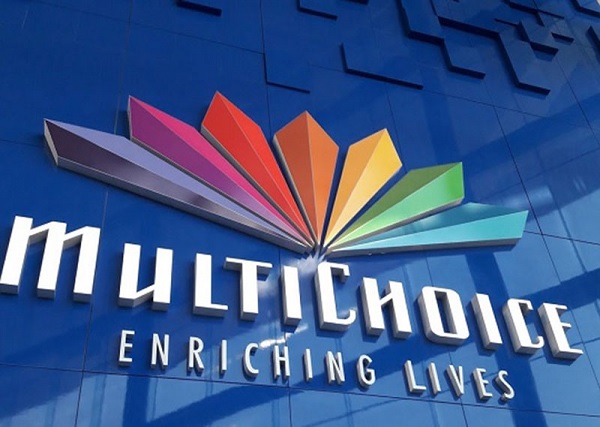
The long-anticipated acquisition, finalized on Wednesday, grants Canal+ ownership of MultiChoice’s flagship platforms, DStv and GOtv, which serve nearly 50 million subscribers across the continent. Canal+, which previously held a 45.2% stake, launched the full buyout bid after investing €1.2 billion ($1.3 billion) since 2020.

Pending final clearance from the Independent Communications Authority of South Africa (ICASA), the transaction is expected to close by October 8, 2025.
“The approval by South Africa’s Competition Tribunal marks the final stage in the South African competition process and clears the way for us to conclude the transaction in line with our previously communicated timeline,” said Maxime Saada, CEO of Canal+, in a statement issued via the Johannesburg Stock Exchange. “This acquisition represents a significant step in expanding our presence across Africa, particularly in English-speaking markets.”
The deal also includes regulatory commitments to support local content production and promote South African audiovisual works in new global markets—conditions set forth by the Competition Commission to protect domestic industry interests.
MultiChoice, a cornerstone of African broadcasting since its separation from Naspers in 2019, has built a reputation on rich local programming and exclusive sports content. Chairman Elias Masilela welcomed the acquisition, calling it “a vote of confidence in MultiChoice’s 40-year track record and compelling continental growth strategy.”
To comply with South Africa’s 20% cap on foreign ownership of broadcasting licenses, MultiChoice will establish a separate, locally controlled entity, LicenceCo to hold its domestic broadcasting rights.
The move significantly strengthens Canal+’s footprint in Africa, aligning with its broader expansion strategy amid intensifying competition in global streaming and broadcast markets.