






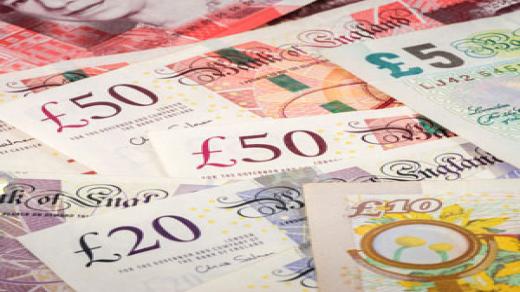
The British pound advanced significantly against the US dollar on Friday, gaining 2% to close the week at $1.373—its strongest weekly performance in nearly four months and its highest level since October 2021.
The sterling’s rise has been fueled primarily by a broad retreat in the US dollar, which has come under pressure due to expectations of Federal Reserve interest rate cuts and political uncertainty in Washington.
Market traders attribute the pound’s surge to the weakening of the greenback, whose strength during the Israel-Iran standoff has dissipated. Additionally, speculation that President Trump may prematurely replace Fed Chair Jerome Powell has further undercut confidence in the dollar, increasing the likelihood of accelerated rate cuts.
At home, the UK’s monetary policy landscape remains comparatively stable. The Bank of England (BoE) has been more cautious than its global counterparts in signaling rate reductions, with policymakers citing persistent core inflation as a reason for restraint. Despite broader market expectations, the BoE has yet to signal any immediate shift in its tightening stance.
Meanwhile, Prime Minister Keir Starmer’s Labour-led administration faces internal party dissent after announcing a partial rollback of proposed welfare reforms in response to resistance from over 100 MPs. This domestic political tension, however, has not derailed sterling’s upward trajectory.
Forex data indicated the pound reached $1.374 in Thursday’s session, maintaining strength into Friday and reinforcing its position near a four-year high. The ongoing ceasefire in the Middle East has also contributed to stabilizing market sentiment and easing inflationary concerns, indirectly supporting sterling’s rally.
Investors are watching closely to see whether the BoE will sustain its cautious approach, which could continue to give the pound a relative edge against other major currencies if inflation remains persistent in the UK economy.