









Support a sustainable blue economy estimated at $2.6 trillion
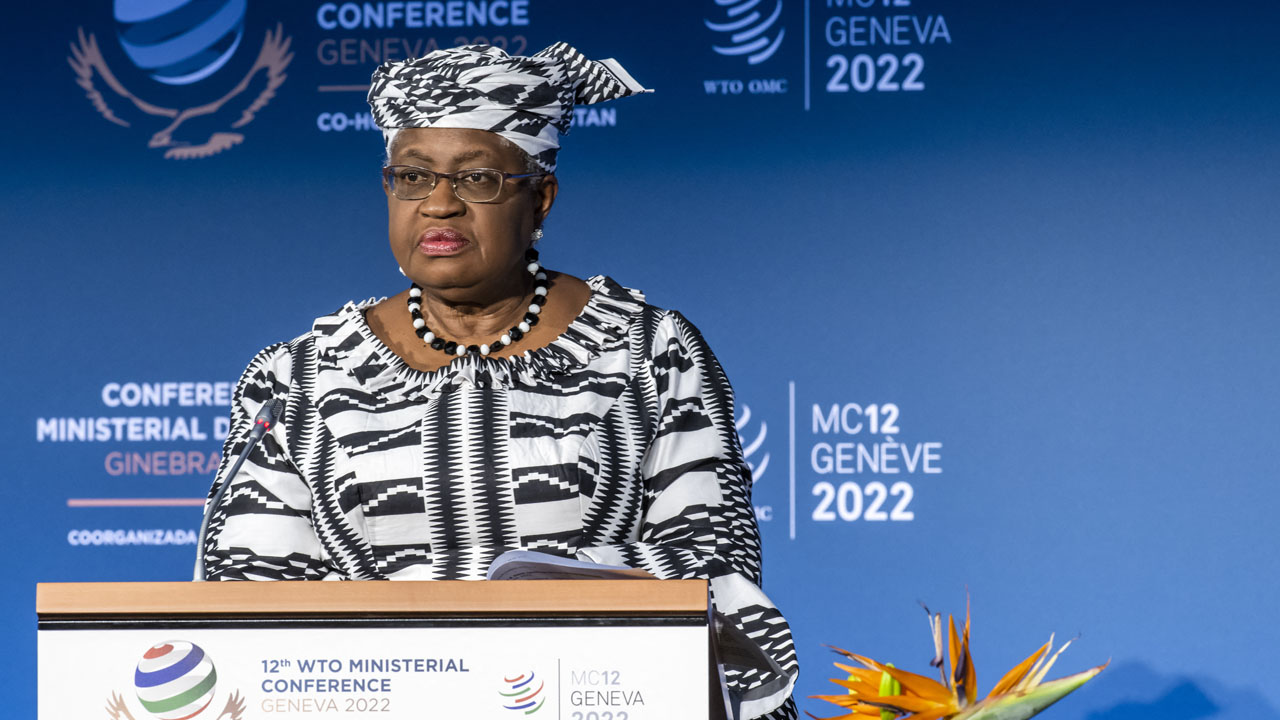
World Trade Organisation (WTO) Director-General, Dr. Ngozi Okonjo-Iweala, United Nations Secretary-General, António Guterres, and other global leaders have made strong appeals for the protection and sustainable use of ocean resources, urging nations to halt the degradation of marine ecosystems.
Their call came during the ongoing 2025 UN Ocean Conference, which opened on June 9 in Nice, France. The high-level summit—jointly hosted by France and Costa Rica—seeks to galvanise action towards achieving Sustainable Development Goal 14 (SDG 14): the conservation and sustainable use of oceans, seas, and marine resources for sustainable development.
With over 120 countries participating, the conference features expert panels, policy discussions, and side events under the theme “Accelerating Action and Mobilising All Actors to Conserve and Sustainably Use the Ocean.”
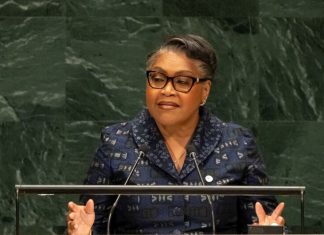
Okonjo-Iweala, speaking on a panel focused on ocean sustainability, reaffirmed the WTO’s commitment to sustainable development and highlighted the importance of aligning trade policies with environmental priorities. She spotlighted the WTO Agreement on Fisheries Subsidies, adopted at the 12th Ministerial Conference, which aims to curb harmful subsidies that contribute to overfishing. The agreement, currently ratified by 101 member countries, is just 10 short of the threshold required to enter into force.
“Governments must ensure that their subsidy regimes support sustainability, not depletion,” she said, adding that the WTO has also established a funding mechanism to assist least developed countries in managing their fisheries through technical and policy support.
UN Secretary-General António Guterres delivered a sobering message, warning that the ocean is under extreme stress from climate change, overfishing, and pollution. “The ocean absorbs 90 per cent of the excess heat from greenhouse gas emissions,” he said, noting that rising sea levels, acidification, plastic pollution, and collapsing fish stocks pose existential threats to marine biodiversity and coastal communities.
“Coral reefs are dying. Fish stocks are collapsing. Rising seas could soon submerge deltas, destroy crops, and swallow coastlines—threatening the very survival of island nations,” he warned.
Inger Andersen, Executive Director of the United Nations Environment Programme (UNEP), emphasised the urgent need to transition towards a circular economy. “Humans remain the only species that do not live within a circular system,” she said. She called for intensified global efforts to meet the target of conserving at least 30 per cent of the world’s land, freshwater, and oceans by 2030.
Andersen also underscored the significance of the newly adopted Agreement under the United Nations Convention on the Law of the Sea on the Conservation and Sustainable Use of Marine Biological Diversity of Areas Beyond National Jurisdiction, describing it as a major boost to international ocean protection efforts.
As stakeholders deliberate in France, a recurring theme has been the vast economic potential of the ocean—the so-called “blue economy”—estimated at $2.6 trillion annually. Speakers urged coastal nations, especially in the Global South, to harness these opportunities sustainably while protecting marine ecosystems for future generations.






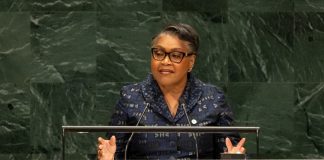
 Director-General, Dr. Ngozi Okonjo-Iweala, United Nations Secretary-General, António Guterres, and other ...)