








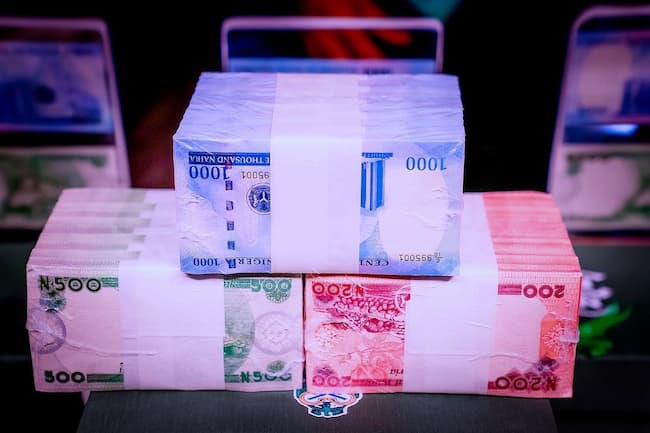
The naira appreciated against the US dollar in various foreign exchange (FX) markets due to improved dollar supply. Data from the FMDQ trading platform showed that the naira gained 0.04% in the official FX window, closing at N1,500.95 per dollar. This came after the CBN intervened in the market by selling $60 million to commercial banks, increasing the availability of foreign currency.
In the official FX market, most transactions were settled at rates between N1,480.00 and N1,515.00 per dollar. Meanwhile, in the parallel (black) market, the naira strengthened to N1,550 per dollar, driven by a reduction in speculative demand. This development led to a significant narrowing of the exchange rate gap to just N50, reflecting improved market stability.
Market analysts attribute the naira’s gains to increased foreign portfolio investment inflows, as investors seek opportunities in Nigeria’s stock and fixed-income markets, attracted by high yields.
January saw relative stability in the Nigerian FX market, supported by increased dollar inflows from Foreign Portfolio Investors (FPIs), International Oil Companies (IOCs), and continued CBN interventions. The naira fluctuated between N1,440.00 and N1,570.00 per dollar, showing notable strengthening in the middle of the month as foreign currency supply outpaced demand.
In the global commodities market, oil prices rebounded, fueled by concerns over potential trade conflicts following new tariff proposals by the United States. Brent crude futures rose by 1.2% to $75.53 per barrel, while U.S. West Texas Intermediate crude climbed by 1.3% to $71.90. Meanwhile, gold prices surged past the $2,900 per ounce mark, as investors sought safe-haven assets amid market uncertainties.









 markets due to improved dollar supply. Data from the FMDQ...)