







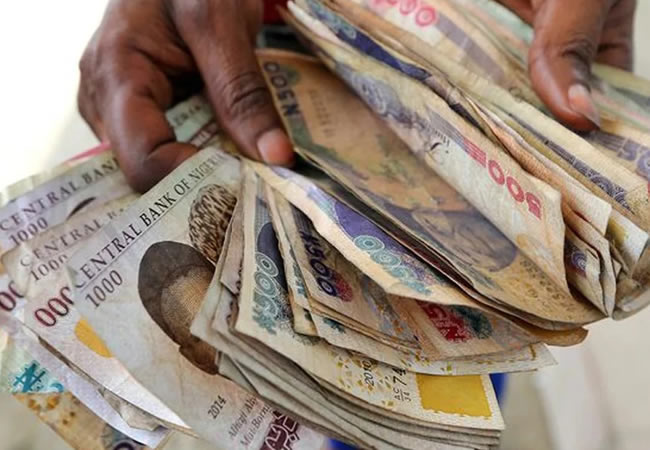
The cost of borrowing money in Nigeria’s financial system has dropped significantly due to an increase in the availability of cash. This means banks no longer need to rely as much on emergency loans from the Central Bank of Nigeria (CBN) through its Standing Lending Facility (SLF).
Previously, the high demand for emergency loans had driven up borrowing costs. This was worsened by the settlement of N1 trillion in Open Market Operations (OMO) investments, where investors placed money in short-term securities issued by the CBN.

However, the situation changed on Tuesday when the amount of available money in the banking system increased by 364%, reaching N201.55 billion. This boost in liquidity (available cash) helped bring down short-term borrowing costs.
As a result, key interest rates in the money market dropped:
- The Open Repo Rate (OPR), which measures short-term borrowing costs between banks, fell by 4.07%, closing at 28.00%.
- The overnight lending rate, which banks use when borrowing money from each other overnight, also dropped by 4.06% to 28.58%.
Despite these lower rates, experts predict that short-term borrowing costs may slightly increase again due to the upcoming auction of Nigerian Treasury bills by the government.