






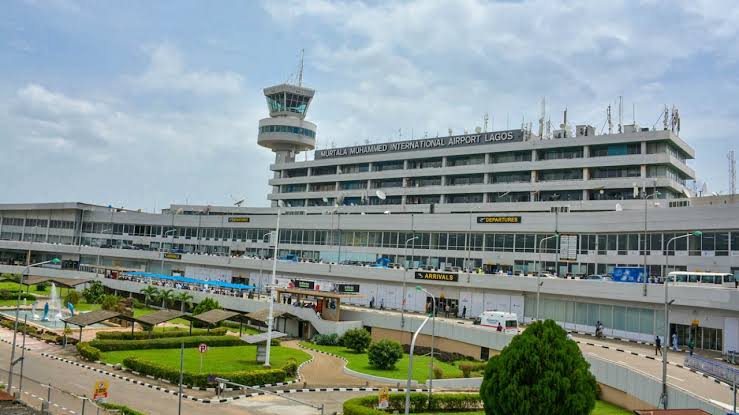
Domestic airfares have soared by nearly 150 per cent ahead of the Yuletide, with ticket prices on some routes now exceeding N300,000, driven by surging passenger traffic, limited aircraft availability, and persistent operational challenges.
Checks by The PUNCH showed that the sharpest increases were recorded on South-South and South-East routes, which traditionally witness the highest passenger movement during the festive period.
Before the Christmas rush, one-way domestic fares averaged about N120,000. However, a review of airline booking platforms on Tuesday revealed that prices on several routes have now tripled.
A search on the Air Peace booking portal showed that a one-way Lagos–Asaba ticket has risen from about N120,000 to over N300,000, reaching N337,500 between 24 and 29 December. Abuja–Asaba flights are listed at N335,500 between 23 and 28 December, although fares may drop to around N240,000 towards the end of the month.
Aero Contractors priced its Lagos–Asaba flight at N238,452 for 24 December, while United Nigeria Airlines listed Lagos–Asaba tickets at N399,999, and Abuja–Asaba fares between N335,499 and N360,499 depending on the date.
Air Peace is expected to operate flights on the Lagos–Enugu route between 28 and 29 December at fares ranging from N335,500 to N430,700. Abuja–Enugu tickets from 24 to 28 December hover around N335,500, dropping to N240,200 on 29 December.
In the South-South region, Aero Contractors’ Lagos–Calabar fares range between N187,976 and N151,786 from 22 to 24 December, while United Nigeria priced Lagos–Benin tickets at N335,499 between 22 and 30 December, increasing to N345,499 on 31 December. Air Peace will sell Lagos–Port Harcourt tickets at N335,500 from 23 to 29 December.
Short-haul flights—some lasting as little as 40 minutes, such as Lagos–Asaba or Lagos–Benin—have seen the steepest increases. Many Nigerians still prefer flying due to lengthy road travel times and prevailing security concerns across the country.
United Nigeria Airlines listed Lagos–Anambra tickets at N399,999 on 17 December. Flights scheduled for 18–21 December were already sold out. Lagos–Owerri fares fluctuate between N335,499 and N499,998.
The rising costs have prompted some travellers to consider road transport despite worsening insecurity nationwide. Operators, however, attribute the fare spike to limited aircraft availability, multiple regulatory charges and growing economic pressures.
Operators Blame Aircraft Shortage, High Charges
Industry experts say aircraft availability remains a major challenge. Many domestic carriers have several aircraft undergoing scheduled maintenance overseas.
Aero Contractors’ Chief Financial Officer, Charles Grant, recently disclosed that Nigerian airlines collectively operate only 38 serviceable aircraft, warning that the sector requires urgent government intervention.
According to him, “Most Nigerian airlines operate with just four to six active aircraft despite national demand. That’s not a choice; it’s the result of punitive economics.”
Air Peace, Nigeria’s largest carrier, also reported significant operational disruptions in recent weeks after its lessor, SmartLynx Airlines, withdrew three wet-leased aircraft without prior notice despite receiving advance payment.
The airline’s Chief Commercial Officer, Nowel Ngala, said Air Peace leased the aircraft to bridge gaps while 13 of its planes undergo maintenance abroad. He described the withdrawal as “abrupt and unjustified,” adding that it violated aviation standards and contractual agreements. He, however, assured that some of the aircraft under maintenance have started returning to service.
President of the Aircraft Owners and Pilots Association of Nigeria, Dr Alex Nwuba, said capacity shortfalls typically push fares upward during festive seasons, noting that the situation this year was worsened by unexpected operational disruptions.
“Air Peace lost several aircraft temporarily, reducing daily capacity by roughly 300 seats,” he said. “With some aircraft now returning and two new airlines expected to commence operations, capacity should improve unless external issues like insecurity intervene.”
He added that high fares were consistent with global festive-season patterns.
Former Director-General of the Nigeria Civil Aviation Authority, Harold Demuren, called on the Federal Government to support local operators and renegotiate unfavourable Bilateral Air Service Agreements.
“In BASA, both parties must benefit. The government needs to protect Nigerian carriers. Renegotiation may be tough, but it is necessary,” he stressed.
Aviation analyst, Olumide Ohunayo, urged airlines to improve staff welfare as they brace for increased flight demand.
“The season comes with challenges. Airlines must look after both their staff and passengers to ensure professional service delivery,” he noted.