



KEY POINTS
- Africa’s creative economy is currently valued at about $59 billion, with women playing a central role in innovation and entrepreneurship.
- Rapid digital connectivity and Africa’s youthful population are accelerating growth in sectors such as fashion, film, music, and digital content.
- Expanding Africa’s share of the global creative economy could increase exports to $150–160 billion by 2030.
MAIN STORY
Women are emerging as key drivers of Africa’s fast-growing creative economy, which is currently valued at about $59 billion, according to a new report by Boston Consulting Group (BCG).
The report, titled “Africa’s Next Growth Frontier: Empowering Women in the Creative Industries,” highlights how the continent’s expanding youth population and growing digital connectivity are transforming the creative sector into a major economic growth engine.
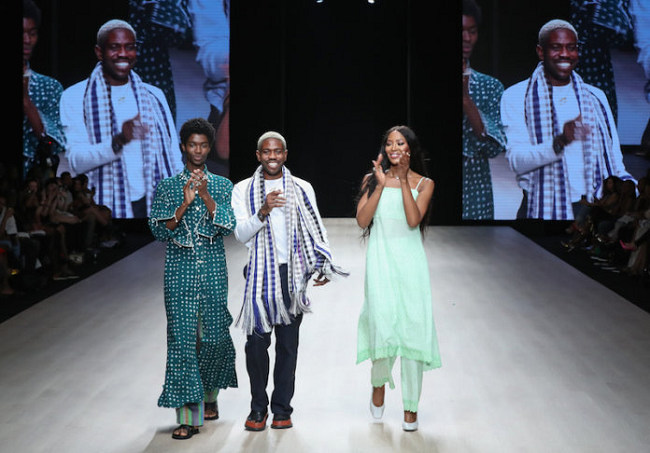
The study notes that Africa’s creative industries—including fashion, design, music, film, and digital content—are increasingly shaping the continent’s economic narrative, shifting attention from reliance on extractive industries to innovation-driven growth.
With nearly 890 million people under the age of 25, Africa has the youngest population globally, creating both a vast consumer market and a deep pool of creative talent.
THE ISSUES
Despite its rapid expansion and growing global influence, Africa’s creative economy remains significantly underdeveloped relative to its potential.
Currently, the continent accounts for less than three per cent of the $2 trillion global creative economy, highlighting both the sector’s growth constraints and the opportunity for expansion.
Experts say unlocking the sector’s potential will require improved infrastructure, stronger intellectual property protection, better financing mechanisms, and expanded global market access.
WHAT’S BEING SAID
According to Lisa Ivers, Africa’s creative industries provide a unique pathway for inclusive and sustainable economic growth.
“Unlike extractive industries, Africa’s creative economy offers a model rooted in agency, innovation, and shared prosperity,” she said.
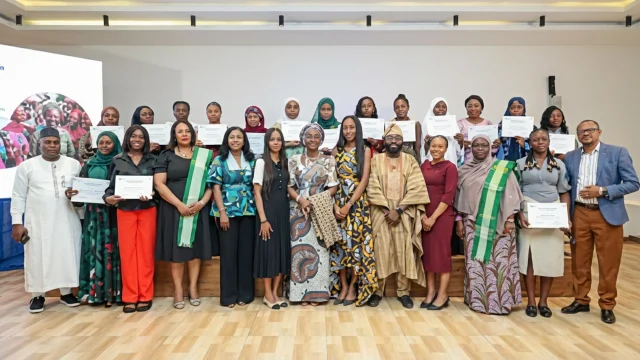
Ivers noted that women-led creative businesses are generating employment, strengthening local supply chains, and reinvesting in their communities, making them central to Africa’s transformation.
The report also identifies four major drivers shaping the sector’s growth: digital acceleration, cultural intellectual property, the African diaspora, and the continent’s youthful population.
With 300–400 million Africans actively engaged on social media, creators now have unprecedented opportunities to distribute content globally and build digital-first business models.
WHAT’S NEXT
BCG projects that if Africa doubles its share of the global creative economy to six per cent by 2030, the continent’s creative exports could reach $150–160 billion.
The report also highlights fashion and design as the sector’s largest segment, currently valued at $31 billion, with women accounting for over 60 per cent of the workforce.
In countries such as Kenya and Madagascar, women represent more than 80 per cent of the industry workforce, underscoring their dominant role in shaping Africa’s fashion economy.
BOTTOM LINE
With its youthful population, expanding digital reach, and rich cultural heritage, Africa’s creative industries are poised to become a major economic pillar—with women at the forefront of driving innovation, employment, and global cultural influence.