







Nigeria’s education sector is once again under intense scrutiny following the release of the 2025 West African Senior School Certificate Examination (WASSCE) results, which revealed the lowest pass rate in a decade.
With just 38.32 per cent of candidates obtaining credit passes in five core subjects, including English Language and Mathematics, stakeholders are raising red flags over systemic issues, the rushed push for digitalisation, and the worsening crisis in public education.
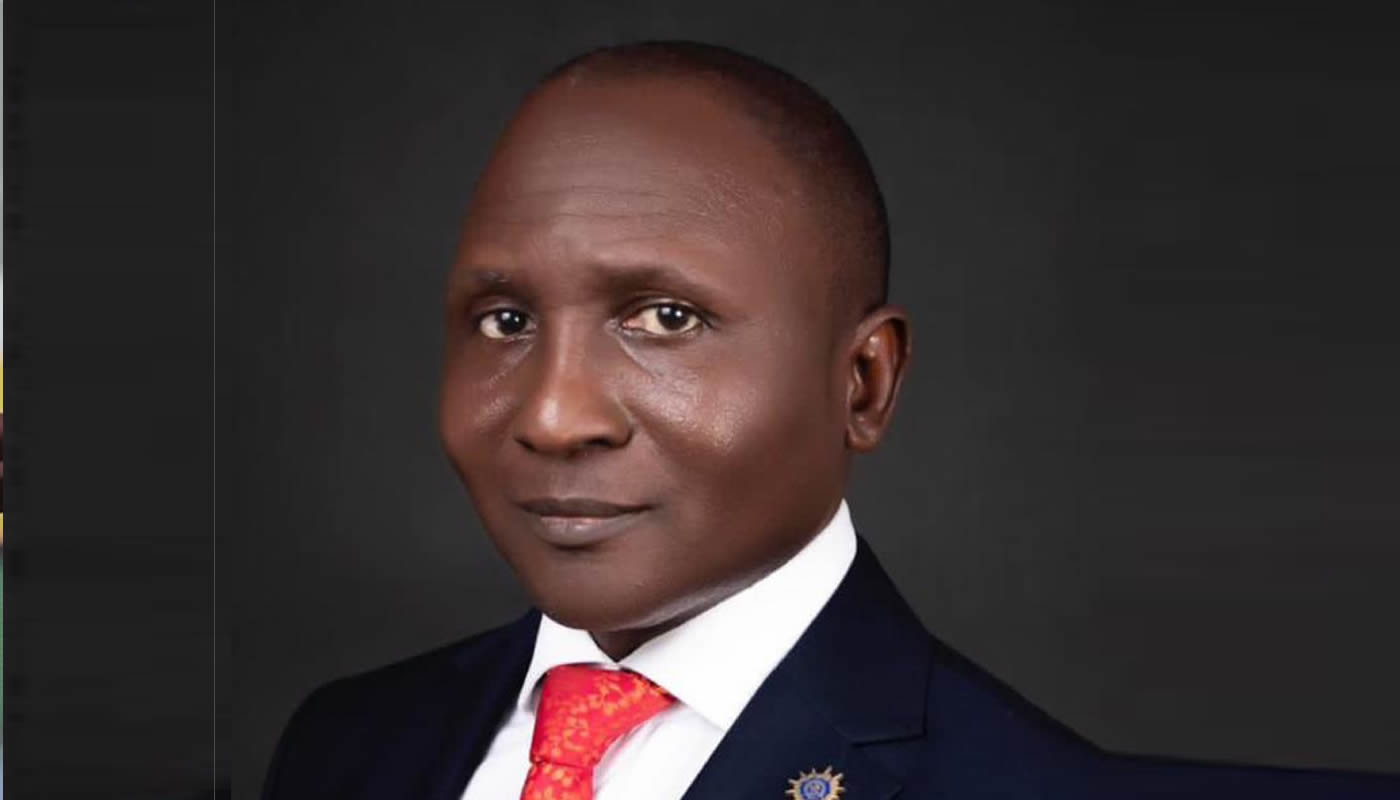
Announcing the results on Monday, Head of the Nigeria National Office of the West African Examinations Council (WAEC), Dr Amos Dangut, said only 754,046 of the 1,969,313 candidates who sat the examination achieved credit-level passes in five subjects, including English and Mathematics, a steep 33.8 per cent decline from the 72.12 per cent recorded in 2024.
Not since 2014, when the pass rate stood at 31.28 per cent, has Nigeria recorded such a poor national performance in WASSCE. The results also represent a dramatic plunge from a steady run of over 70 per cent pass rate between 2021 and 2024. The sharp reversal in 2025 has raised serious doubts about the country’s readiness for the planned nationwide adoption of Computer-Based Testing (CBT) for WASSCE in 2026.
WAEC Attributes Decline to Anti-Cheating Measures
According to Dangut, the fall in performance can be linked to new anti-malpractice strategies introduced by the council. Among them is the serialisation of objective papers, a move that made it significantly more difficult for students to cheat or collude during the exam.
He also cited the introduction of a hybrid CBT model in subjects like English, Mathematics, Biology, and Economics, where candidates answered questions that appeared on-screen but wrote answers in booklets.
“Students now rely on so-called ‘expo’ from rogue websites and social media platforms. Many of these only deceive candidates or offer outdated materials. With our reforms, this year’s exams proved too tough for the unprepared,” Dangut said.
Despite the dismal performance in English and Mathematics, Dangut noted that 87.24 per cent of candidates (1,718,090 students) obtained credit-level passes in five subjects, regardless of whether they included English and Mathematics.
He added that the council is still processing 451,796 results due to technical or administrative issues, while 192,089 results (9.75 per cent) are withheld over suspected malpractice—slightly lower than last year’s 11.92 per cent.
Public Outrage Over Midnight Exams and Logistics Failures
This year’s examination cycle was also marred by logistical failures, with widespread condemnation over the late-night conduct of the English Language paper on May 28 in several states, including Lagos, Ogun, Taraba, and Osun. Candidates were seen writing exams under torchlights, candles, and lanterns well into midnight.
WAEC blamed the delay on the last-minute reprinting of question papers after detecting leaks, reportedly traced to internal staff. The scandal sparked outrage among parents, with some calling for cancellation and rescheduling.
In a statement, Acting Head of Public Affairs at WAEC, Moyosola Adesina, admitted that logistics, security, and sociocultural challenges disrupted the exam. She said the council took swift decisions to maintain exam integrity, even at the expense of convenience.
Stakeholders Blame Structural Collapse in Education System
National President of the Parents-Teachers Association of Nigeria, Haruna Danjuma, described the results as a consequence of poor candidate preparation, coupled with inadequate school facilities, especially in public schools.
“This CBT model is a good idea, but the problem is that many students, especially in public schools, don’t have basic computer knowledge. When you combine poor preparation with a system that blocks malpractice, failure is inevitable,” he said.
Prof Francis Egbokhare, former Director of the Distance Learning Centre, University of Ibadan, blamed the poor performance on deep-rooted educational decay.
“This is not just about technology or CBT. We’re dealing with a crisis of quality. Many public-school teachers can’t pass these exams themselves. We are witnessing exponential decay in real time, and it’s affecting literacy levels even at the university level,” he warned.
He described many graduates of basic education as “functionally illiterate,” with poor writing, reading, and comprehension skills.
Experts Call for Balanced Reforms, Not Just Technology Push
While WAEC is accelerating its transition to full CBT by 2026—following a federal directive by Education Minister Dr Tunji Alausa—several experts have cautioned that the push is premature and logistically unrealistic.
Dr Bisi Akin-Alabi, educationist and former Special Adviser on Education in Oyo State, praised WAEC’s anti-cheating stance but stressed that many students are simply not ready for CBT.
“Serialisation and CBT are effective malpractice deterrents, but they’re exposing the lack of real learning. Too many students depend on leaked materials. Educators must now take teaching seriously and leverage technology for real learning—not for shortcuts,” she said.
She added that artificial intelligence tools, when correctly applied, could help teachers bridge the gap and make students exam-ready in a fair, transparent environment. Some Students Still Excel, But System Remains Fragile
Despite the setbacks, some private schools recorded stellar performances. Mr Fola Adekeye, Director of Studies at Champions International Schools, Ogun State, said many of his students secured distinctions and credits in core subjects.
“Even with all the chaos, some students passed because they studied. But WAEC must work on its logistics. This year, question papers arrived late in many centres, and that’s unacceptable,” Adekeye noted.
Conclusion: A Nation at the Crossroads
With just under a year to go before full CBT adoption in 2026, the catastrophic decline in this year’s results has renewed debate over Nigeria’s preparedness for large-scale digital examination systems. While WAEC insists its reforms are crucial to safeguarding integrity, critics argue that without parallel investments in teacher quality, infrastructure, and digital literacy, Nigeria risks turning CBT into another barrier rather than a solution.
As pressure mounts on policymakers, the 2025 WASSCE outcome may be a turning point—or a warning sign of worse outcomes to come if foundational issues remain unresolved.