





Keypoints
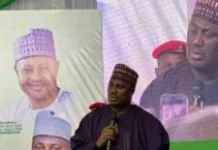
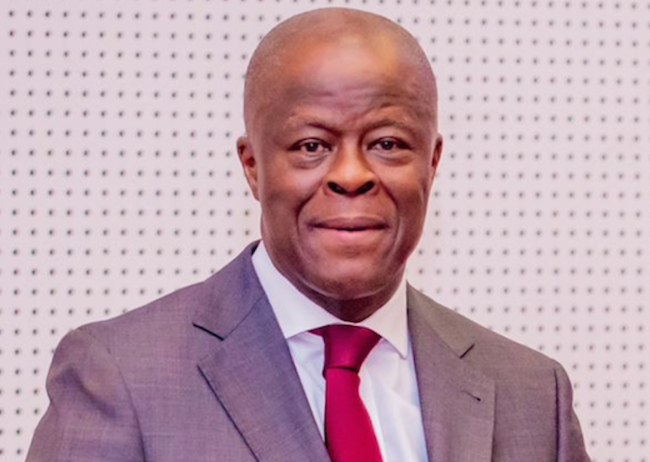
- Wale Edun, Nigeria’s Minister of Finance, addressed the G-24 news conference at the IMF meetings in Washington D.C., focusing on navigating global energy crises and high debt.
- He cautioned central banks against premature interest rate hikes while warning that delayed responses could fuel further inflation.
- Edun advocated for targeted temporary relief for the poor instead of reversing major structural reforms like fuel subsidy removal or FX liberalization.
- The minister highlighted that debt servicing costs now exceed aid and investment inflows for many developing nations, severely limiting fiscal space.
- He proposed the use of Artificial Intelligence (AI) and technology to improve tax-to-GDP ratios and domestic revenue mobilization.
Main Story
Speaking on the sidelines of the ongoing IMF meetings, Wale Edun called on developing countries to maintain their course on economic reforms despite mounting global pressures.
He noted that while oil exporters like Nigeria might see revenue boosts from high prices, they are not immune to the rising costs of gas, fertilizer, and food.
Edun urged nations to utilize “built-up buffers” and implement temporary, targeted social safety nets for the vulnerable rather than returning to broad-based subsidies, which he argued undermine long-term stability.
The minister also addressed the “negative net flow” of capital, pointing out that poorer nations are currently paying more to service debt than they receive in overseas development assistance.
To counter this, he called for increased liquidity support from multilateral institutions and a shift toward domestic resource mobilization. Edun specifically pointed to AI and automation as vital tools for the future, suggesting that digital systems could significantly enhance government transparency and tax collection efficiency.
The Issues
The primary challenge for developing nations is the debt-sustainability gap, where high interest rates in developed economies have increased the cost of borrowing and debt servicing to levels that cannibalize infrastructure budgets.
Authorities must solve the problem of “fragmentation” in global trade, as supply chain disruptions are forcing a difficult shift toward more expensive domestic production. Furthermore, there is a policy-timing risk; central banks must walk a tightrope between raising rates to kill inflation and keeping them low enough to support fragile economic growth. To achieve sustainable recovery, these nations must now find ways to adopt high-tech revenue tools, like AI, while managing the immediate social unrest caused by high living costs.
What’s Being Said
- “Reforms such as fuel subsidy removal and FX liberalisation have strengthened Nigeria’s economic framework,” stated Wale Edun.
- Dr. Iyabo Masha, Director of the G-24 Secretariat, warned that supply-side issues in oil production “respond weakly to monetary policy,” urging a cautious, data-driven approach to interest rates.
- Global economists have noted that Edun’s push for “hedging strategies” to stabilize oil revenues is a sophisticated move to protect fiscal planning from market volatility.
- Multilateral observers expressed concern that declining overseas aid is leaving a “liquidity vacuum” that private investment has yet to fill.
What’s Next
- Developing nations are expected to present a unified call for “debt relief and increased concessional financing” during the final sessions of the IMF/World Bank meetings.
- Nigeria’s Ministry of Finance is anticipated to fast-track the integration of AI-driven systems into the Federal Inland Revenue Service (FIRS) to boost the tax-to-GDP ratio.
- A regional trade summit may be proposed to address the “fragmentation” Edun mentioned, focusing on African integration as a buffer against global supply shocks.
- Central Banks across the G-24 are likely to coordinate more closely on interest rate policies to avoid “excessive hikes” that could trigger deep recessions.
Bottom Line
Wale Edun’s message in Washington is one of “resilience through technology.” He is betting that by staying the course on tough reforms and using AI to modernize revenue collection, Nigeria and its peers can survive a global financial system that currently takes more in debt interest than it gives in aid.