Keypoints
- Finance Minister Wale Edun, leading the Nigerian delegation to the IMF/World Bank Spring Meetings in Washington, stated that ongoing reforms have strengthened Nigeria’s economic resilience.
- Bonny Light exceeding 110 dollars per barrel is highlighted as a major opportunity to boost national revenues and strengthen foreign exchange earnings.
- Oil production has reportedly risen to approximately 1.86 million barrels per day, supported by the “Naira-for-crude” initiative to help domestic refiners.
- Nigeria’s reclassification as a Frontier Market by FTSE Russell is cited as a key indicator of growing international investor confidence.
Main Story
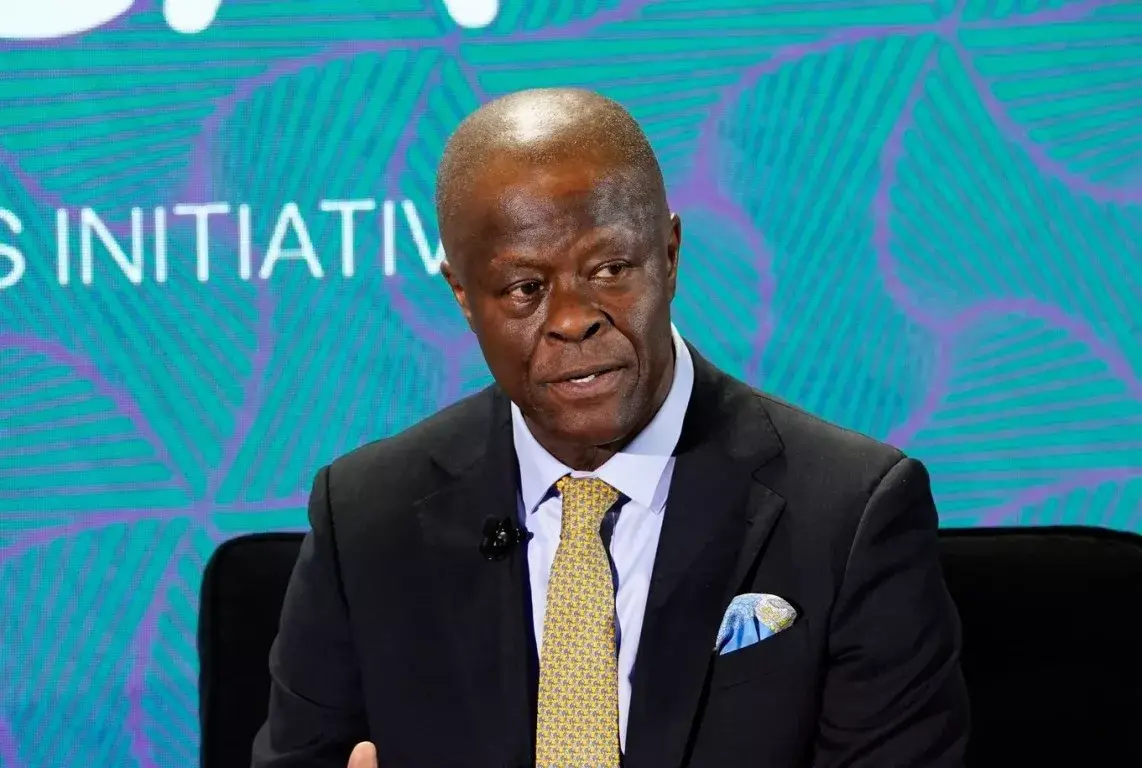
In a statement issued on Monday in Washington, the Minister of Finance and Coordinating Minister of the Economy, Wale Edun, stated that Nigeria’s policy framework is effectively cushioning the impact of rising global fuel and food prices.
He explained that proactive measures are being taken to manage energy costs and ensure supply stability despite the current volatility in global politics. He further noted that the removal of subsidies and exchange rate liberalization since 2023 have improved transparency and strengthened the nation’s economic fundamentals.
The Minister mentioned that the increase in domestic oil production to 1.86 million barrels daily is a critical component of the country’s energy security strategy.
He observed that the “Naira-for-crude” initiative is specifically designed to reduce pressure on consumers by supporting local refining. He added that while global capital flows are tightening, Nigeria remains an attractive destination for long-term investments. He concluded by reaffirming the government’s commitment to ensuring that these reforms translate into job creation and poverty reduction for all households.
The Issues
The primary challenge for the government remains the timing gap between the implementation of structural reforms and the “tangible benefits” felt by the average citizen. Authorities must solve the problem of cost-of-living pressures, as high global oil prices—while good for the national treasury—directly increase the landing costs of imported and locally refined fuel. Furthermore, there is a risk that global financial tightening could slow down the very investment flows Nigeria is seeking to attract. To build a truly inclusive economy, the government must now ensure that the revenue windfall from $110-per-barrel oil is efficiently channeled into social safety nets and industrial productivity.
What’s Being Said
- “The ongoing reforms have positioned Nigeria to better withstand external shocks and sustain economic progress,” stated Wale Edun.
- Government spokespersons emphasized that the reclassification by FTSE Russell underscores that the international community recognizes Nigeria’s reform progress.
- Local manufacturers have noted that while tariff reforms are welcome, the high cost of diesel and gas remains a significant headwind for industrial productivity.
- Financial analysts in Washington observed that Nigeria’s role as chair of the G24 provides a strategic platform to advocate for more supportive global financial conditions for developing nations.
What’s Next
- Wale Edun is expected to chair the G24 meetings in Washington, where he will push for increased investment flows and collaborative efforts for developing economies.
- The Federal Government is anticipated to release further details on the expansion of the “Naira-for-crude” initiative to include more domestic refineries beyond the initial pilot phase.
- Investor roadshows are likely to follow the IMF/World Bank meetings to capitalize on the Frontier Market reclassification and attract fresh capital into the energy and tech sectors.
- The Ministry of Finance is expected to monitor the 1.86 million barrels per day production target to ensure fiscal sustainability goals for the 2026 budget are met.
Bottom Line
Minister Edun’s message in Washington is one of “cautious optimism.” By leveraging high oil prices and improved production, the government aims to prove that the “bitter pill” of 2023 reforms has finally built the resilience needed to survive the global energy shocks of 2026.