






The West African Examinations Council (WAEC) is under significant pressure following widespread disruptions during the 2025 West African Senior School Certificate Examination (WASSCE). Reports have surfaced of students being compelled to sit for exams late into the night, with some instances of candidates using flashlights to complete their papers. These events have sparked national outrage and prompted swift action from the House of Representatives.
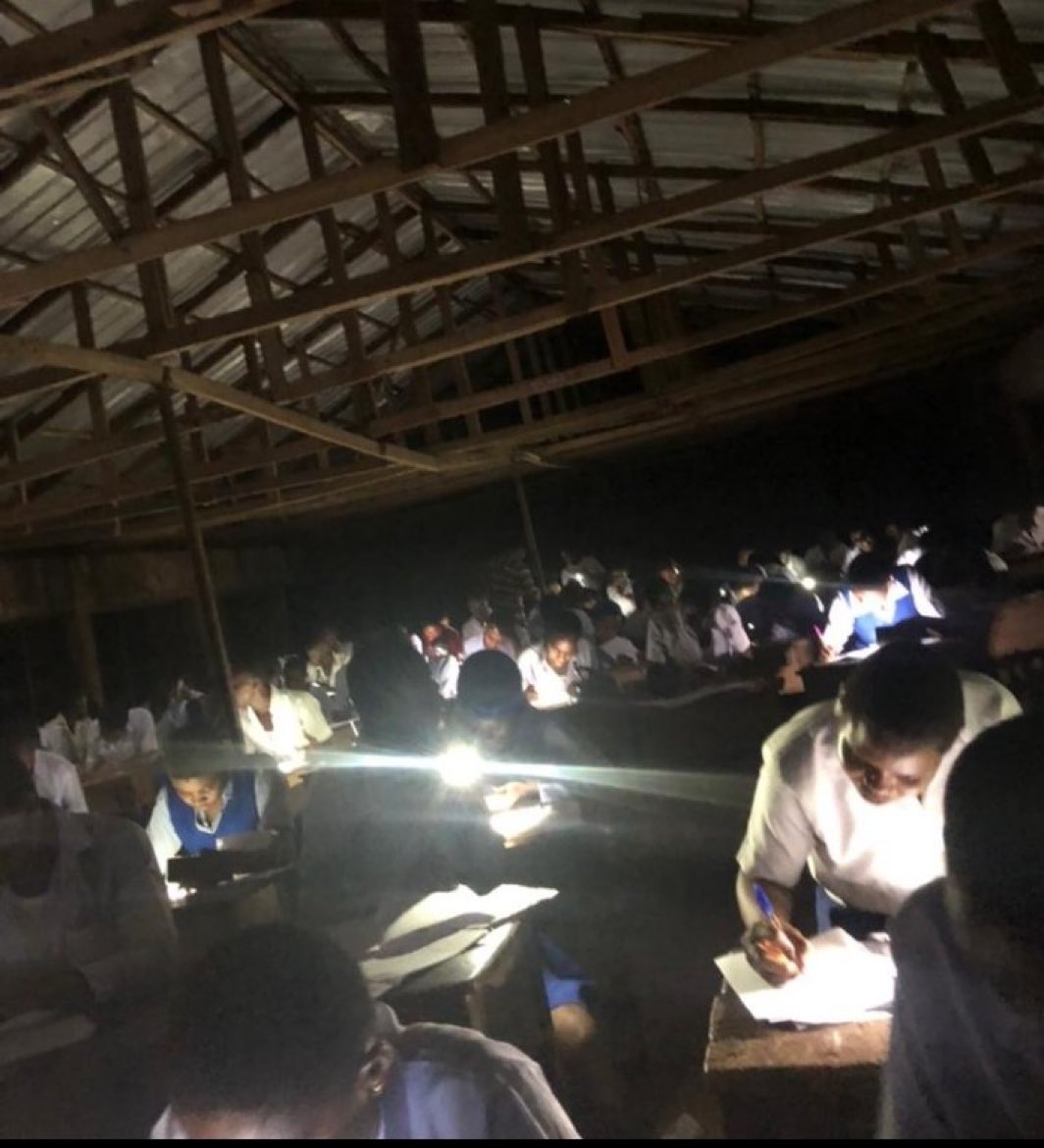
On May 28, 2025, the English Language examination, a core subject for secondary school students, experienced substantial delays across various centers in Nigeria. In numerous locations, the test commenced hours behind schedule, forcing students to write their exams under inadequate lighting conditions. Images circulating online depict students using flashlights to illuminate their answer sheets, highlighting the severity of the situation.
In response to the public outcry, the House of Representatives Committee on Basic Education and Examination Bodies summoned WAEC officials to address the irregularities. Chairman Oboku Abonsizibe Oforji expressed deep concern over the council’s failure to appear before the committee on May 27, labeling the absence as unacceptable given the gravity of the issues at hand.
“The examinations have been riddled with serious irregularities. We’ve received reports of students writing exams as late as midnight in some centers across the country,” Oforji stated. He emphasized the need for WAEC to provide explanations for the widespread complaints and the trauma candidates are currently facing.
WAEC has attributed the delays to enhanced measures aimed at curbing examination malpractice. The council’s focus on preventing question leaks inadvertently led to logistical setbacks, disrupting the smooth administration of the exams. Despite these challenges, WAEC has maintained that its primary goal is to uphold the integrity of the examination process.
The situation has reignited discussions about the persistent issue of examination malpractice in Nigeria. In 2023, WAEC reported the arrest of over 20 school officials for allegedly aiding and abetting malpractice during examinations. The council has consistently emphasized the detrimental impact of such practices on the nation’s educational standards and has called for collective efforts to address the problem.
As the 2025 WASSCE continues, stakeholders are urging WAEC to implement more effective strategies to prevent future disruptions. The House of Representatives has given the council a 24-hour ultimatum to appear before the committee and provide comprehensive explanations for the recent irregularities. Failure to comply may result in the invocation of constitutional powers to address the situation.
The unfolding events underscore the urgent need for systemic reforms within Nigeria’s examination bodies to ensure that students can undertake their assessments in a fair and conducive environment.










 is under significant pressure following widespread disruptions during the 2025 West African...)