







Keypoints
- CENTCOM Commander Brad Cooper confirmed that U.S. forces have successfully halted all seaborne trade to and from Iran as of late Tuesday.
- The blockade was implemented in less than 36 hours, utilizing Navy guided-missile destroyers to maintain maritime dominance.
- President Donald Trump ordered the action following the collapse of peace negotiations in Islamabad over the weekend.
- The operation is being enforced impartially against all nations, targeting Iran’s oil revenue and its ability to collect transit fees in the Strait of Hormuz.
Main Story
In a swift military escalation, U.S. Central Command (CENTCOM) announced that maritime trade with Iran has reached a complete standstill.
Commander Brad Cooper stated via social media that the blockade of Iranian ports is now “fully implemented,” effectively sealing off the country from international waters.
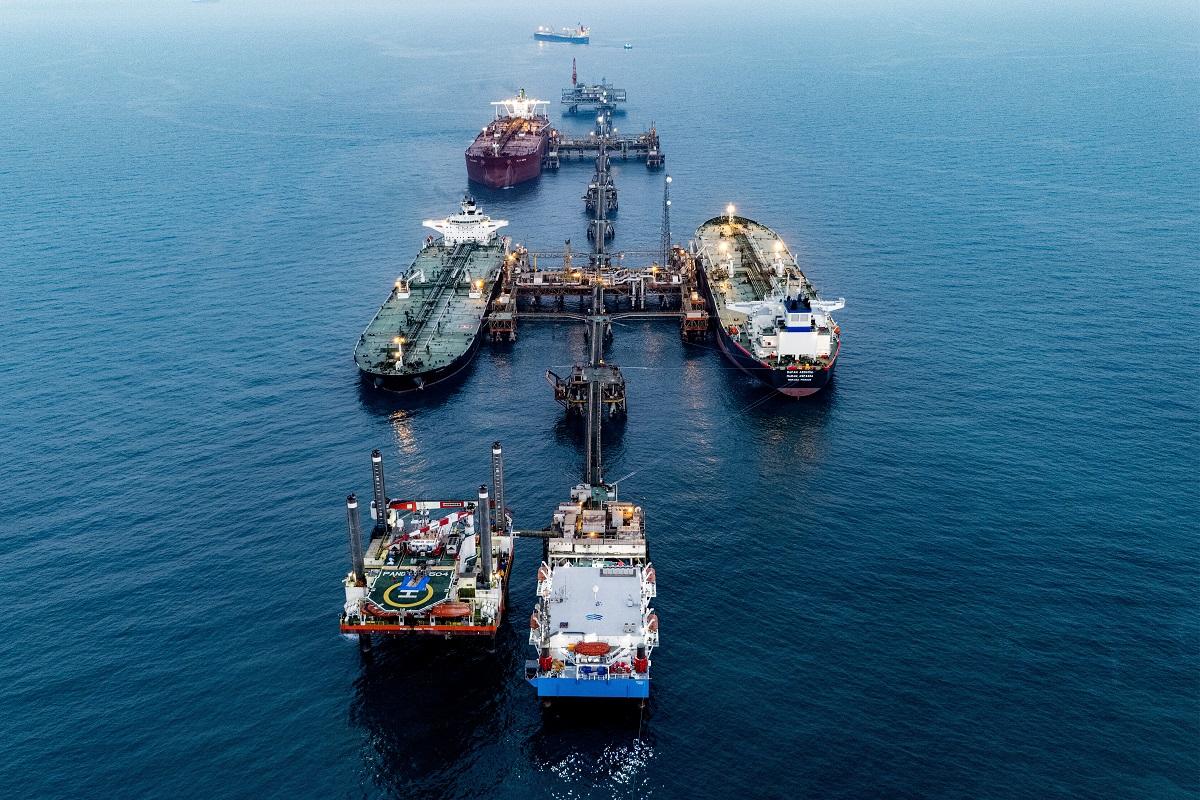
The operation, which features advanced guided-missile destroyers, is designed to cut off the primary arteries of the Iranian economy: its oil exports and the lucrative transit fees it charges vessels passing through its territorial waters.
The move follows a breakdown in diplomacy during mediated talks in Islamabad, where Washington and Tehran failed to reach an agreement on nuclear limits and regional security.
The U.S. has declared the blockade “impartial,” warning that any vessel—regardless of its national flag—attempting to enter or leave Iranian coastal areas will be intercepted. This “maximum pressure” tactic aims to starve the Iranian administration of the hard currency needed to fund its regional activities and domestic programs.
The Issues
The primary challenge of this operation is the global energy-security gap; by blocking the Strait of Hormuz, the U.S. is risking a massive surge in global oil prices that could cripple international markets. Authorities must solve the problem of legal justification, as a naval blockade is traditionally considered an “act of war” under international law, potentially drawing in allies or adversaries who rely on Iranian crude. Furthermore, there is a risk of asymmetric retaliation; while the U.S. maintains conventional maritime dominance, Iran may respond with drone swarms, sea mines, or cyberattacks on global shipping infrastructure. To sustain this blockade, the U.S. must now navigate the intense diplomatic fallout from trade partners like China and India, who are significantly impacted by the halt in Iranian exports.
What’s Being Said
- “A blockade of Iranian ports has been fully implemented,” stated Commander Brad Cooper.
- President Donald Trump emphasized that the blockade is a direct consequence of Iran’s “refusal to negotiate in good faith” during the Islamabad summit.
- Energy analysts have warned that “Strait of Hormuz transit fees” were a minor revenue stream compared to the potential $150-per-barrel oil price spike this blockade could cause.
- International legal experts are debating the “impartiality” of the blockade, noting that it effectively acts as a secondary sanction on every country trading with Tehran.
What’s Next
- Global oil markets are anticipated to open with extreme volatility on Wednesday as traders price in the total loss of Iranian supply and the risk to neighboring shipments.
- The UN Security Council is expected to convene an emergency session to discuss the legality of the blockade and its impact on global food and energy security.
- Iran’s military leadership is likely to issue a formal response, potentially threatening to close the entire Strait of Hormuz to all traffic, not just Iranian-bound vessels.
- A diplomatic “shuttle” mission by European leaders is anticipated, as they attempt to de-escalate the situation before the current two-week ceasefire window completely evaporates.
Bottom Line
The U.S. has moved from financial sanctions to a physical siege. By bringing Iranian trade to a “complete standstill” in under 36 hours, the Trump administration is testing whether physical isolation will force the concessions that years of economic pressure could not.








 announced that maritime trade with Iran has reached a complete standstill.)