Keypoints
- President Donald Trump announced that a US blockade of Iranian ports will officially begin this Monday at 10:00 ET following the collapse of weekend peace talks
- Global oil prices have surged above $100 a barrel in response to the escalation despite US Central Command’s assurance that it will not impede non-Iranian shipping
- UK Prime Minister Keir Starmer stated that Britain is not supporting the blockade and remains focused on reopening the Strait of Hormuz and stabilizing energy costs
- Iran’s Islamic Revolutionary Guard Corps warned that any military vessels approaching the strategic strait will be dealt with severely as they refuse to surrender to threats
Main Story
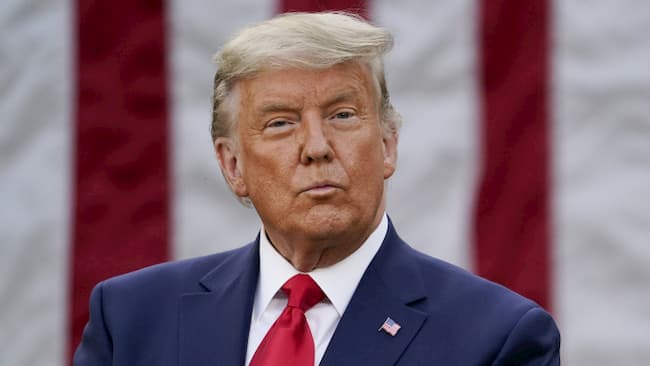
In a statement issued following the breakdown of diplomatic negotiations in Islamabad President Donald Trump stated that the United States would initiate a blockade of all Iranian ports.
He explained that the measure was necessary because Iran had refused to give up its nuclear ambitions during the weekend summit. He further noted that the blockade would commence on Monday afternoon marking a significant escalation in the ongoing regional conflict. Trump added that the failed talks were a direct result of Tehran’s unwillingness to meet US security demands.
Meanwhile US Central Command mentioned that its naval assets would maintain safe passage for international vessels not traveling to or from Iran.
However the Iranian foreign minister observed that the negotiations failed because of shifting goalposts from the American side. He mentioned that the country would not be intimidated by what he described as illegal threats.
At the same time PM Keir Starmer told the BBC that the UK’s priority was de-escalation rather than participation in the blockade. He added that the British government was deeply concerned about the jump in energy prices and was working to ensure the strait remained open for global trade.
The Issues The primary challenge for the global economy is the sudden spike in oil prices which threatens to trigger a fresh wave of worldwide inflation. Authorities must solve the problem of maritime miscalculation in the Strait of Hormuz where US and Iranian warships are now in extremely close proximity. Furthermore there is a clear diplomatic rift between the US and its traditional allies like the UK regarding the effectiveness of a blockade versus continued negotiation. To prevent a total energy crisis the international community must now find a way to verify nuclear non-proliferation without completely closing off one of the world’s most vital shipping corridors.
What’s Being Said
- “The US leaves Islamabad without reaching an agreement because Iran wouldn’t give up its nuclear ambitions” stated Donald Trump
- Iran’s parliament speaker asserted that the nation will not surrender under threats and will maintain its sovereign rights
- “We are not supporting the blockade. Our focus is on getting the strait opened and energy prices down” stated Keir Starmer
- Market analysts noted that the price of oil exceeding $100 is a direct reflection of the fear that the blockade could lead to a broader kinetic war
What’s Next
- The US Navy is expected to begin intercepting Iran-bound cargo ships starting at 10:00 ET to enforce the new maritime exclusion zone
- A UN Security Council emergency session is likely to be called by members opposing the blockade to discuss the legality of the US action
- Global energy markets are anticipated to remain highly volatile as traders wait to see if the IRGC carries out its threat against military vessels in the strait
- The British Foreign Office is expected to lead a secondary diplomatic effort to re-engage both sides in a neutral location following the failure in Pakistan
Bottom Line
The move to a formal blockade marks the end of the “Islamabad Diplomacy” era and the beginning of a high-risk maritime standoff. With oil already over $100 the economic consequences of this military strategy are being felt globally before the first ship has even been intercepted.