Keypoints
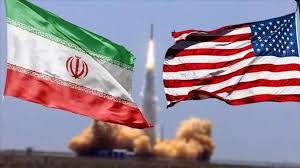
- A unilateral U.S. naval blockade of Iranian ports has commenced following the total collapse of high-stakes ceasefire negotiations in Islamabad.
- NATO unity has fractured, with major allies including Britain and France refusing to participate in the blockade, opting instead for a purely defensive posture.
- The Strait of Hormuz, a transit point for 20% of global oil, is now a high-friction zone, with Iran warning that blockade enforcement will be treated as an act of war.
- Economic shocks are rippling toward Africa, where rising oil prices threaten to spike inflation and strain the public finances of net-importer nations.
- Global crude prices have surged, though analysts warn that any fiscal windfall for exporters like Nigeria may be offset by the high cost of imported refined products.
Main Story
The global geopolitical landscape reached a dangerous threshold on Tuesday as Washington moved to physically seal off Iranian maritime trade.
The decision to implement a naval blockade came less than 24 hours after a 21-hour diplomatic marathon in Islamabad ended without a deal. U.S. Central Command confirmed that guided-missile destroyers are now intercepting vessels in the Strait of Hormuz to cut off Tehran’s oil revenues.
However, the operation lacks the traditional coalition backing that usually accompanies U.S. maritime enforcement; NATO Secretary-General Mark Rutte confirmed a deep alliance split, with European powers wary of being “dragged into a war.”
The collapse of the “last-chance” talks in Pakistan has been attributed to structural distrust. Experts like Dr. Vali Nasr noted that neither side believed the other would honor commitments, leading to a swift return to “maximum pressure.”
While the U.S. views the blockade as a necessary counter to Iran’s previous threats to the Strait, military analysts warn of an “open-ended” conflict. Dr. Sanam Vakil of Chatham House cautioned that the region is now inherently vulnerable to small incidents that could spiral into a full-scale regional confrontation involving drone swarms or attacks on energy infrastructure.
The Issues
The primary challenge for the international system is the alliance-legitimacy gap; as Brigadier Ben Barry noted, a unilateral blockade without NATO or UN backing lacks the credibility needed for long-term sustainability. Authorities in Africa must solve the problem of energy-import inflation, as countries like Nigeria are “structurally weak” due to their dependence on refined fuel imports despite being crude producers. Furthermore, there is a supply chain contagion risk; disruptions in the Strait don’t just affect oil, but also delay cargo and food shipments between Africa, Asia, and Europe. To navigate this “multi-layered shock,” global leaders must now decide if there is still a window for the “renewed commitment to international law” called for by the UN Secretary-General.
What’s Being Said
- “The people are afraid of you… we should not be afraid,” stated Viktorija Bonja, highlighting the internal Russian pressure on Putin amidst the global chaos.
- British PM Keir Starmer warned that the UK would not be “dragged into the war,” signaling a major departure from traditional U.S.-UK military alignment.
- Dr. Ayo Teriba observed that Africa’s exposure to oil price volatility remains a “structural weakness” that will amplify existing economic fragilities.
- Ngozi Okonjo-Iweala of the WTO emphasized that this crisis underscores the “urgency of building resilient supply chains” in a fragmented global order.
What’s Next
- African Central Banks are expected to meet in emergency sessions to adjust interest rate projections in response to the anticipated “inflation spike” from fuel costs.
- The U.S. Navy is anticipated to maintain the blockade indefinitely, though the lack of allied help may force a shift in tactics if Iran employs “asymmetric” maritime responses.
- Oil exporters like Angola and Algeria may see a temporary boost in foreign reserves, but this is likely to be “short-lived and unevenly distributed.”
- Diplomatic efforts may shift to a “post-conflict multinational security framework” proposed by France, as the world looks for an alternative to the current escalatory spiral.
Bottom Line
The U.S.-Iran conflict has moved from a regional dispute to a defining moment for the global order. For Africa, the coming weeks are not just about geopolitics, but about survival in an environment where the cost of energy and food is now tied to the movements of destroyers in the Persian Gulf.