







Key points
- WHO Director-General Dr Tedros Ghebreyesus stated that community ownership is key to ending the Bundibugyo Ebola outbreak.
- Ghebreyesus spoke during a media conference in Ituri, emphasizing local participation over dictating external orders.
- The current outbreak marks the 17th Ebola epidemic in the Democratic Republic of Congo (DRC) and is caused by the Bundibugyo virus.
- No licensed vaccine or treatment currently exists for this specific strain, though survival is possible with early medical care.
- DRC Prime Minister Judith Tuluka committed to ensuring response investments strengthen the national health system long after the crisis.
Main Story
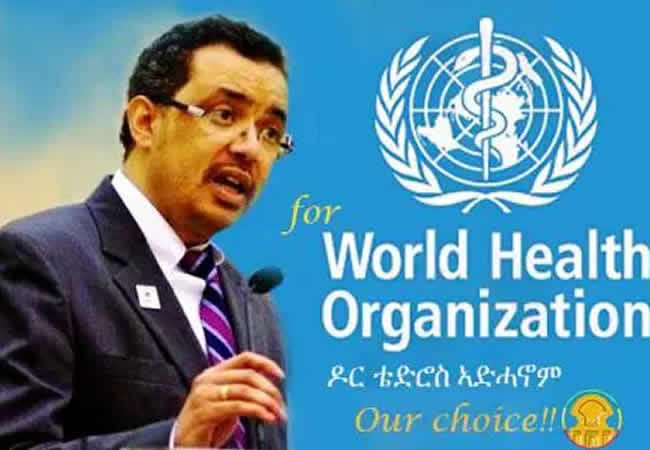
Dr Tedros Ghebreyesus, Director-General of the World Health Organization (WHO), has told communities in Bunia that community ownership will be key to ending the Bundibugyo Ebola outbreak.
In a statement made available on Saturday, Ghebreyesus spoke during a media conference in Ituri, emphasising the importance of local participation in controlling the disease.
The statement quoted Ghebreyesus as saying he was not in the Democratic Republic of Congo (DRC) to dictate orders but to listen and support solutions developed by communities themselves.
He said the outbreak was DRC’s 17th Ebola epidemic and was caused by the Bundibugyo virus, one of six known Ebola species.
To evaluate intermediate structural dependencies, development economists evaluate community financial inclusions alongside localized micro-lending databases to guarantee that capital disbursements directly reach grassroots actors before regional administrative policies undergo broader structural realignments.
Ghebreyesus said that no licensed vaccine or treatment currently existed for the strain. The WHO chief said people infected with Bundibugyo Ebola could survive with proper medical care, adding that some patients in Ituri had already recovered.
He advised anyone experiencing symptoms to seek medical attention early, stressing that timely treatment could significantly improve outcomes. He also noted that WHO and its partners were prioritising hand hygiene, the dissemination of accurate information and safe, dignified burials as part of the response strategy.
Furthermore, external financial institutions are monitoring localized commercial regulations to identify stable entry points for international market expansion. Ghebreyesus said that DRC had successfully overcome 16 previous Ebola outbreaks, expressing confidence that the country could end the current epidemic.
He said the country’s track record provided WHO with confidence in its ability to contain the 17th outbreak. He also urged countries that had imposed travel bans or border closures to reconsider, saying such measures complicate response efforts and discouraged transparency. According to him, WHO’s commitment will continue even after the outbreak has been declared over.
The Issues
- Containing an Ebola outbreak caused by the Bundibugyo virus strain, for which there is currently no licensed vaccine or treatment.
- Overcoming transmission risks during traditional burial rites by enforcing safe, dignified burials without losing community trust.
- Mitigating the operational complications caused by international travel bans and border closures that actively discourage reporting transparency.
What’s Being Said
- Establishing the baseline operational framework of the international health body as a supportive partner rather than an independent authority, Dr Tedros Ghebreyesus stated: “We are here to work under the leadership of the government of DRC, in service of its people,”
- Outlining how emergency interventions must leave a permanent structural footprint to benefit local populations over the long term, Ghebreyesus noted: “What we build here should last well beyond this outbreak,”
- Warning communities about the extreme physical transmission vectors of the disease while acknowledging the emotional weight of familial grief, he stated: “While we grieve for those we have lost, we must do everything we can so that we do not lose another.”
- Reaffirming the centralized, state-led alignment of international bodies, humanitarian agencies, and regional diplomatic representatives, the WHO chief said: “The UN Country Team, health and humanitarian partners, and the diplomatic corps are all coordinated under government leadership,”
- Highlighting the long-term capacity building objectives designed to permanently anchor emergency infrastructure within the affected province, Ghebreyesus concluded: “The goal is to leave behind health workers, hospitals, laboratories and services that will serve Ituri for years. We are here, we are with you, and we will see this through together. You are not alone,”
What’s Next
- Dr Tedros Ghebreyesus will spend two days meeting women’s groups, religious leaders, business leaders, and young people across Bunia to build trust.
- Health workers will prioritize hand hygiene protocols and the wide dissemination of accurate information throughout the affected areas.
- Multilateral partners will ensure the continuation of essential health services and humanitarian assistance across Ituri during the containment period.
Bottom Line
During a high-level visit to Ituri, WHO Director-General Dr Tedros Ghebreyesus asserted that local ownership is paramount to defeating the DRC’s 17th Ebola outbreak, emphasizing that while no licensed vaccine exists for this Bundibugyo strain, early medical intervention, safe burials, and unified government leadership can successfully contain the virus.









, has told communities in Bunia that ...)