






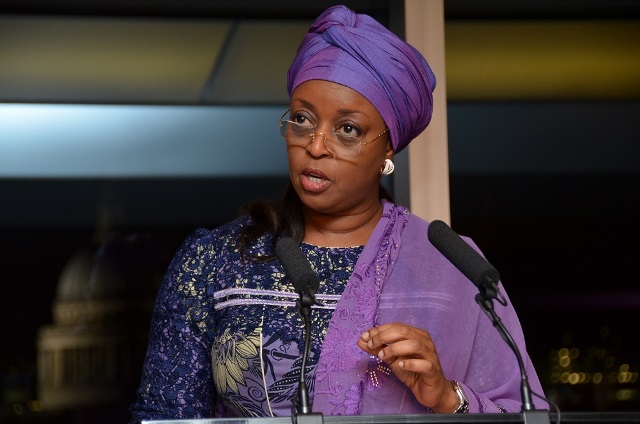
Fresh details emerged on Tuesday at the Crown Court in Southwark, London, as UK prosecutors outlined allegations that Nigeria’s former Minister of Petroleum Resources, Diezani Alison-Madueke, accepted substantial bribes from oil industry figures seeking preferential access to lucrative contracts.
Opening the case before the jury, prosecutor Alexandra Healy alleged that Alison-Madueke received £100,000 in cash, alongside a range of luxury benefits including private jet flights, chauffeur-driven vehicles, and high-end items purchased from Louis Vuitton and Harrods.
The 65-year-old former minister is standing trial on five counts of accepting bribes and one count of conspiracy to commit bribery, linked to her tenure as petroleum minister between 2010 and 2015 under Nigeria’s former president, Goodluck Jonathan.
According to the prosecution, Alison-Madueke allegedly accepted “financial or other advantages” from individuals associated with the Atlantic Energy and SPOG Petrochemical groups between 2011 and 2015, a period during which she wielded significant influence over Nigeria’s oil and gas sector.
She appeared in court alongside oil industry executive Olatimbo Ayinde and her brother, Doye Agama, aged 69. Both co-defendants face related bribery charges connected to the same set of allegations.
Alison-Madueke has pleaded not guilty to all charges. She was initially arrested in October 2015 and granted bail at the time. As proceedings resumed, Healy underscored the global implications of corruption, telling the court that bribery erodes market integrity and undermines fair competition across international systems.
“Bribery and corruption undermine the proper functioning of the global market,” Healy told jurors, stressing the importance of preventing corrupt practices from spreading across borders.
The prosecutor alleged that during her time in office, Alison-Madueke regularly stayed in luxury properties funded by individuals with vested interests in securing contracts with Nigerian state-owned oil entities. She further claimed that the former minister accepted expensive gifts and other benefits from parties who believed she would leverage her position to advance their commercial interests.
However, Healy acknowledged that the prosecution does not allege that Alison-Madueke improperly awarded oil contracts. Instead, the case centres on the claim that accepting benefits from those engaged in highly profitable dealings with government-controlled oil firms was incompatible with her public office.
The prosecution also accused Ayinde of paying bribes to Alison-Madueke between 2012 and 2014, as well as bribing Emmanuel Ibe Kachikwu, the former Managing Director of the Nigerian National Petroleum Corporation (NNPC), in 2015. Kachikwu is not a defendant in the case.
Healy alleged that following the election of President Muhammadu Buhari in 2015, Ayinde paid a “substantial bribe” to Kachikwu to secure continued employment for a personal associate within the NNPC.
The case follows formal charges filed in 2023 by the UK’s National Crime Agency (NCA), which accused Alison-Madueke of accepting bribes over a four-year period while exercising considerable authority within Nigeria’s oil industry.
At the time, the NCA stated that it suspected Alison-Madueke of abusing her position by receiving financial rewards in exchange for awarding multi-million-pound oil and gas contracts.
The trial continues as the prosecution seeks to establish that the alleged benefits formed part of a broader pattern of influence-peddling during Alison-Madueke’s time at the helm of Nigeria’s petroleum ministry.