







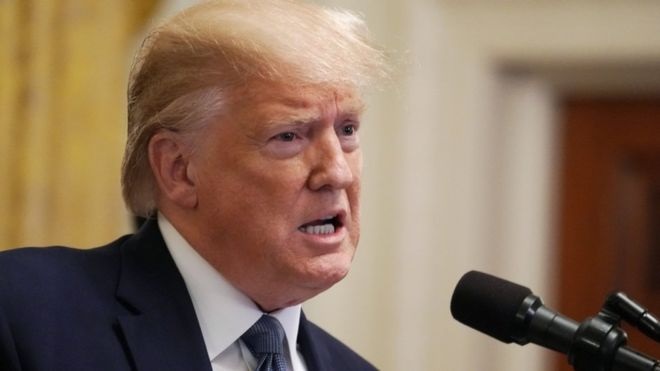
In a landmark move poised to reshape the global financial landscape, former U.S. President Donald Trump has signed an executive order allowing cryptocurrencies, private equity, and other alternative assets to be included in 401(k) retirement plans for the first time.
The order opens access to America’s $9 trillion retirement market, historically dominated by equities and bonds, to digital assets such as Bitcoin. It directs financial regulators to update long-standing restrictions that have excluded alternative investments from professionally managed retirement accounts.
“This is a defining moment not just for crypto, but for the entire future of finance,” said Nigel Green, CEO of deVere Group. “The world’s largest economy is signalling that digital assets now have a place in long-term wealth strategies. This will have global ramifications.”
Over 90 million Americans contribute to 401(k) plans, making them the largest individual investment pool in the world. Analysts believe even a modest allocation to cryptocurrencies could drive hundreds of billions of dollars in new demand—further integrating digital assets into traditional financial systems.
Green described the decision as a breakthrough for institutional adoption: “Retail retirement capital was the final frontier. Once it begins to flow into crypto, the shift becomes irreversible.”
The move comes at a pivotal time. Cryptocurrencies have rallied strongly in 2025, with Bitcoin hitting new record highs, driven by increasing corporate adoption and favorable regulatory sentiment. The order is also expected to influence global pension markets, with regulators in Europe and Asia already under pressure to modernize outdated frameworks.
“Retirement accounts represent some of the most conservative capital in the world. If crypto earns a place there, it can earn a place anywhere,” Green added. “This breaks the psychological and regulatory barriers that have kept crypto in the sandbox.”
Trump’s executive action also reflects growing political momentum behind digital assets. After years of lobbying by private market players, it was the inclusion of crypto, according to senior officials, that ultimately pushed the policy forward.
While the move opens new opportunities, it also brings new responsibilities. Experts warn that cryptocurrencies remain volatile, and retirement savers must approach them with caution, diversification, and professional guidance.
“This allows Americans to build exposure to the future within their most important financial vehicles,” Green said. “It’s not just a U.S. development—it’s a signal to global markets that digital assets are becoming part of modern financial infrastructure.”
As nations reevaluate investment policies, crypto is shedding its image as a speculative fringe asset and solidifying its role in the broader economic narrative.
“Crypto is no longer just for day traders or hedge funds,” Green concluded. “It’s becoming part of the financial DNA of the modern world.”