





KEY POINTS
- Trump says a bipartisan deal could allow some undocumented workers in the US to remain in the country.
- He cited landscapers, hotel cleaners and restaurant employees as examples of workers who could qualify.
- The President later reaffirmed his opposition to amnesty, leaving uncertainty over the scope of any proposed deal.
MAIN STORY
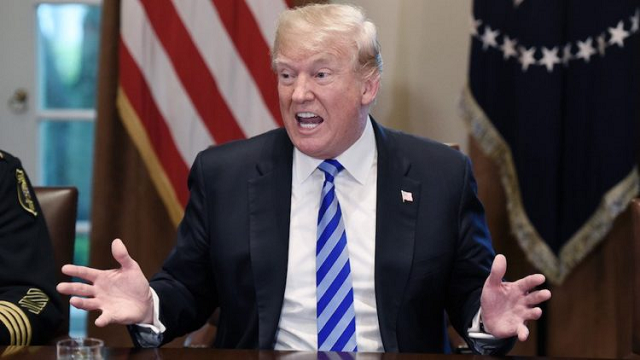
US President Donald Trump has indicated that his administration could negotiate a bipartisan immigration deal allowing some undocumented workers to remain in the country, particularly those employed in sectors such as hospitality, landscaping and restaurants.
Trump made the remarks in an interview with CBS News’ 60 Minutes, recorded on November 6 and broadcast on November 8.
He said an agreement with a Democratic controlled Congress was possible, suggesting that workers who had established employment and contributed to the economy could be considered.
“Well, the deal would be we would work something out,” Trump said, describing an arrangement he believed was achievable.
He specifically mentioned hotel cleaners and maids who had worked in the country for years, saying their removal could create difficult situations.
The President also acknowledged that his administration’s strict immigration enforcement had both helped and hurt the Republican Party politically during the midterm elections.
He said the policy had earned support for securing the US border and removing people considered dangerous, but had also affected workers who entered the country illegally and subsequently secured employment.
Trump suggested that some Americans believed undocumented immigrants should be allowed to remain if they were law abiding, working and, in some cases, paying taxes.
However, his comments came alongside a tougher position within his administration. On the same day the interview was broadcast, Trump announced the appointment of immigration hardliner Stephen Miller as White House chief of staff.
Trump subsequently reaffirmed his opposition to granting legal status to undocumented immigrants during a November 9 press conference.
“We have a very strong deportation policy. There’s no amnesty,” he said, adding that enforcement would focus on the worst offenders.
THE ISSUES
The debate reflects the tension between immigration enforcement and the economic role played by undocumented workers in the United States.
Industries such as hospitality, landscaping and restaurants rely on large workforces to provide everyday services. Removing established workers can create staffing challenges for businesses, particularly where employers struggle to find replacements.
For employers, the uncertainty also affects recruitment and workforce planning. Businesses may be reluctant to expand if they cannot predict whether their workers will remain legally available to work.
Trump’s comments suggest that employment history, tax contributions and conduct could become considerations in a possible immigration agreement. However, he has not provided specific eligibility conditions or explained what legal status such workers might receive.
Paying taxes does not automatically grant an undocumented immigrant permission to remain in the United States. Any arrangement would require a defined legal framework and agreement with Congress.
The political challenge is also significant. Democrats and Republicans have different positions on immigration enforcement and legal protections, while Trump’s appointment of Miller signals that restrictive immigration policies remain influential within his administration.
WHAT’S NEXT
Any bipartisan agreement would require negotiations with Congress, particularly over eligibility, legal status and enforcement conditions.
For now, Trump’s remarks represent an indication of possible flexibility rather than a formal immigration proposal. His subsequent rejection of amnesty leaves questions about how a deal could be structured.
BOTTOM LINE
Trump has opened the door to discussions about allowing some undocumented workers to remain in the United States, but has not committed to granting them legal status. The gap between his comments on economic workers and his continued opposition to amnesty will shape any future negotiations.
Source: Moneywise