






KEY POINTS
- US President Donald Trump has postponed threatened strikes against Iranian power plants and energy infrastructure for five days, citing “very good and productive” progress in talks.
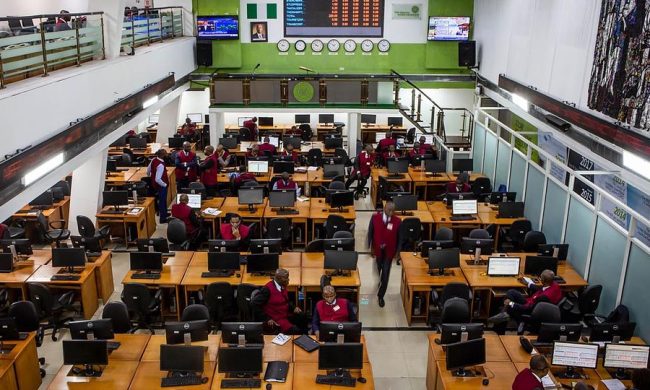
- Oil markets reacted violently to the news, with Brent Crude plunging over 14% to roughly $96/bbl before paring some losses following Iranian denials of direct contact.
- The conflict, now in its 24th day, has claimed at least 4,200 lives, with the majority of casualties occurring in the Islamic Republic following the Feb 28 assassination of Supreme Leader Ali Khamenei.
- Iran’s National Defense Council warned on Monday that any attack on its coastline would result in the mining of the “entire Persian Gulf,” effectively extending the current blockade of the Strait of Hormuz.
MAIN STORY
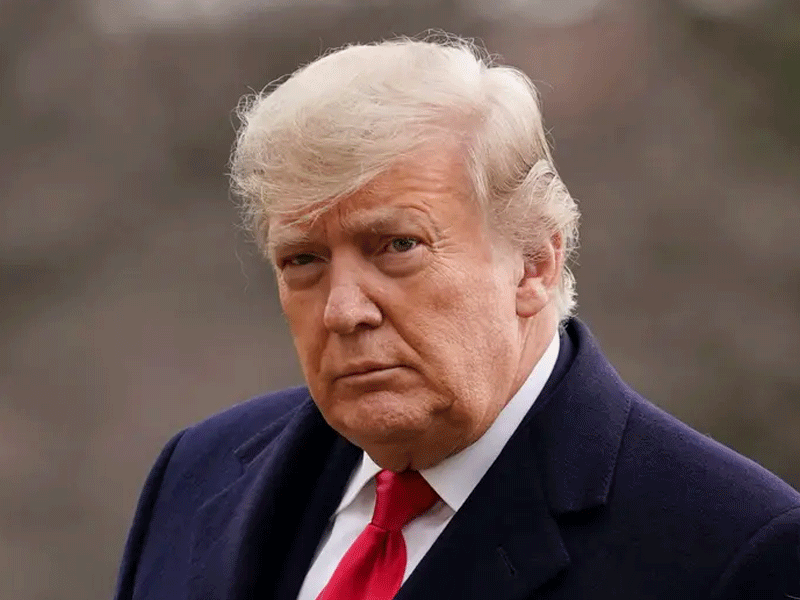
President Donald Trump announced on Monday that he had instructed the Department of War to suspend all planned military strikes against Iranian energy infrastructure for a five-day period. The President stated on social media that the US and Iran had engaged in constructive conversations regarding a “complete and total resolution” of hostilities in the Middle East.
Trump added that the stay of execution was subject to the ongoing success of these discussions, which he claimed were being facilitated by envoys Steve Witkoff and Jared Kushner. The announcement came just as a 48-hour deadline for Iran to reopen the Strait of Hormuz was set to expire.
Despite the President’s optimistic tone, the Iranian government has officially distanced itself from his claims. The semi-official Fars news agency reported that an anonymous Iranian source denied any “direct or indirect communication” with the Trump administration.
Analysts observed that the discrepancy caused a “whiplash” effect in global markets, where oil prices initially fell off a cliff before traders began to question the validity of the reported breakthrough. Meanwhile, backchannel mediation involving Turkey, Saudi Arabia, and Oman continues as regional powers scramble to contain a war that has already seen Brent Crude spike as high as $119/bbl this month.
THE ISSUES
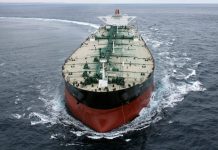
The primary conflict remains centered on the Strait of Hormuz, a vital maritime artery that handles 20% of global oil and LNG exports. Iran’s effective closure of the waterway on March 2 has triggered a global energy crisis comparable to the 1970s oil shocks.
While the US and Israel have conducted sustained aerial bombardments of Iranian military and drone production sites, they have yet to “obliterate” the power grid—a move that would likely result in catastrophic humanitarian consequences. However, Iran’s counter-threat to mine the entire Persian Gulf suggests that even if the Strait is reopened, the risk of “floating mines” could keep insurance rates prohibitively high and shipping lanes effectively paralyzed for months.
WHAT’S BEING SAID
- “We have had very good and productive conversations regarding a complete and total resolution of our hostilities,” stated Donald Trump.
- “Iran hasn’t had direct or indirect communication with Trump,” reported the Fars News Agency.
- “The entire Gulf will practically be in a situation similar to the Strait of Hormuz… do not forget the failure of 100 minesweepers in the 1980s,” warned Iran’s National Defense Council.
WHAT’S NEXT
- Markets are counting down to Friday, March 27, when Trump’s postponement expires and the threat to bomb power plants returns to the table.
- Diplomatic observers are looking for confirmation from neutral mediators like Oman to see if any genuine “resolution” is actually being drafted.
- Data from MarineTraffic is being monitored to see if any tankers attempt to breach the blockade following the “pause” in hostilities.
- An emergency session is expected later this week to discuss a potential multi-national “safe-passage” framework for the Gulf.
BOTTOM LINE
The Bottom Line is that the world is holding its breath for 120 hours. Whether Trump’s “very good talks” are a genuine diplomatic breakthrough or a tactical pause to let oil prices cool, the underlying threat remains: if the Strait of Hormuz doesn’t open by the weekend, the “energy war” moves from the sea to the Iranian mainland’s power grid.