








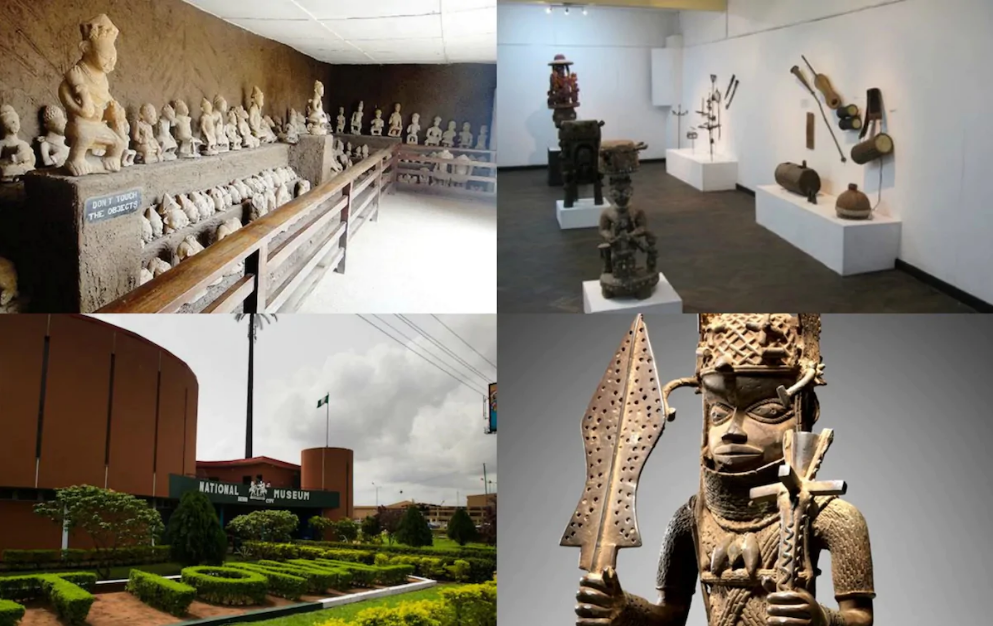
Nigeria, with its rich history and cultural diversity, is home to several heritage landmarks that have long stood as symbols of tradition and pride. In recent years, however, these sites have begun to transform into more than just places of historical interest.
Through cultural tourism, smart infrastructure development, and strategic investment, these landmarks are emerging as dynamic business ecosystems that attract both local and international visitors.
Here are seven Nigerian heritage sites leading the charge in transforming tradition into tourism and cultural preservation into profitable investment:
1. Osun-Osogbo Sacred Grove – Osun State
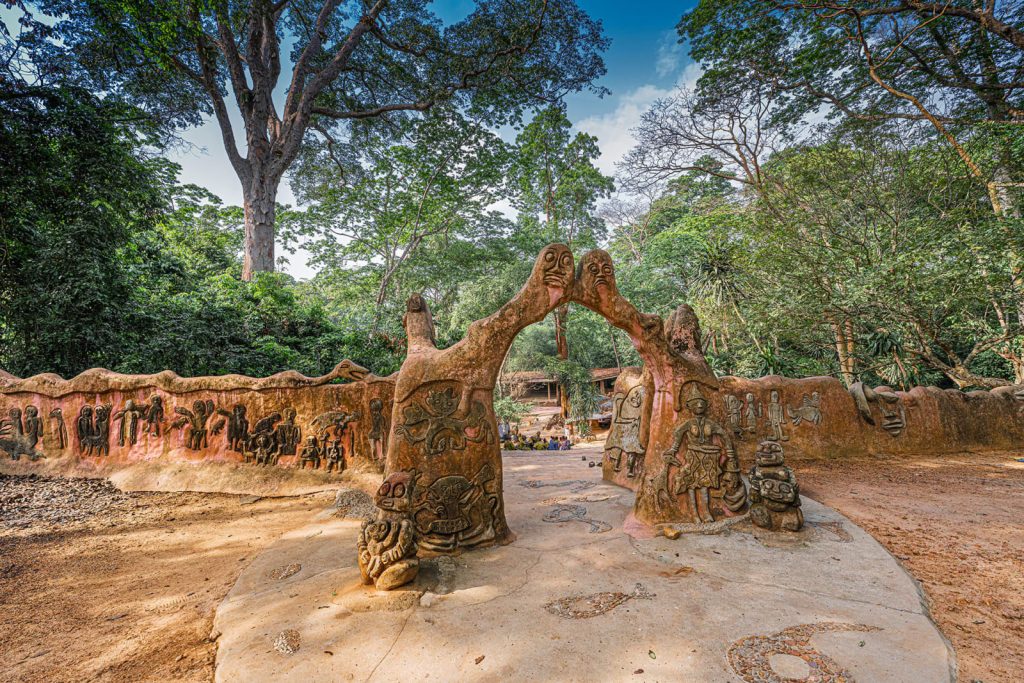
Once a spiritual sanctuary and UNESCO World Heritage Site, the Osun-Osogbo Sacred Grove has become one of Nigeria’s most recognized cultural destinations. Its annual Osun-Osogbo Festival attracts thousands of tourists, scholars, and spiritual seekers from around the world.
Today, the grove benefits from collaborations with cultural agencies and NGOs that promote eco-tourism and conservation. Hospitality businesses, including eco-lodges and cultural tour companies, have sprung up around the site, boosting the local economy and creating employment opportunities.
Tourism Investment Insight: Heritage festivals and religious tourism can drive micro-enterprise growth and hospitality investments in host communities.
2. Benin City Walls and Moat – Edo State
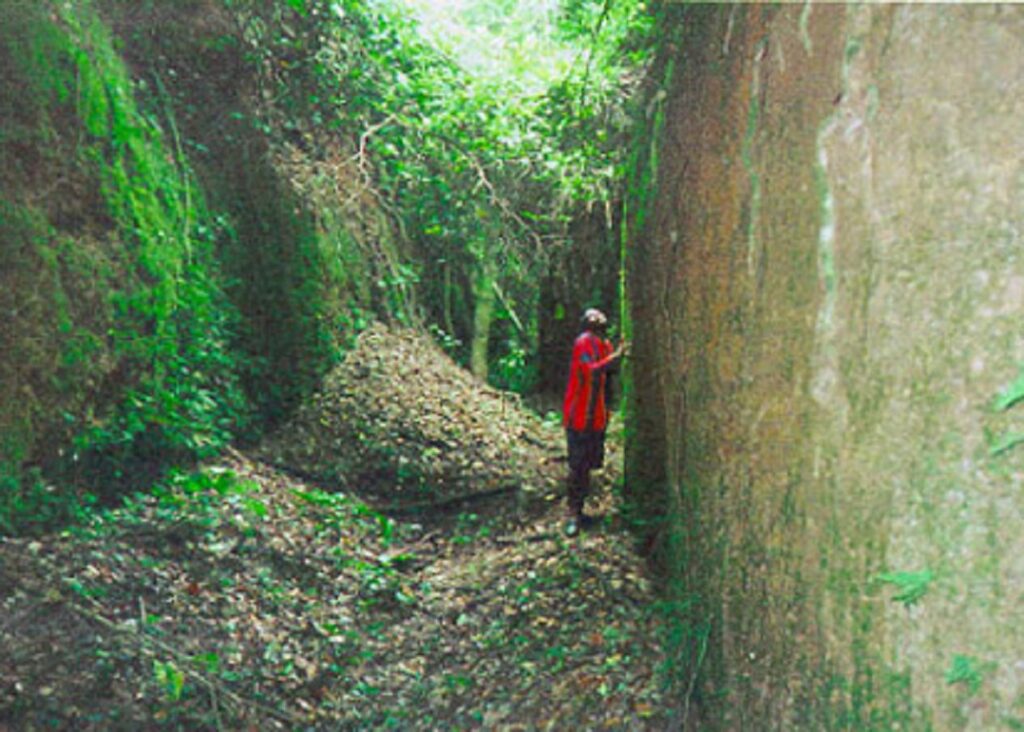
The ancient Benin Moat and the ruins of the once-mighty Benin Kingdom are becoming the epicenter of a heritage resurgence. Long overlooked, the Edo State government and private stakeholders are now investing in the revitalization of these structures.
A planned Edo Museum of West African Arts (EMOWAA), backed by international foundations and architects like Sir David Adjaye, is set to transform the area into a world-class tourism destination.
Tourism Investment Insight: Collaborating with global art institutions can rebrand historical landmarks as profitable global tourism assets.
3. Sukur Cultural Landscape – Adamawa State
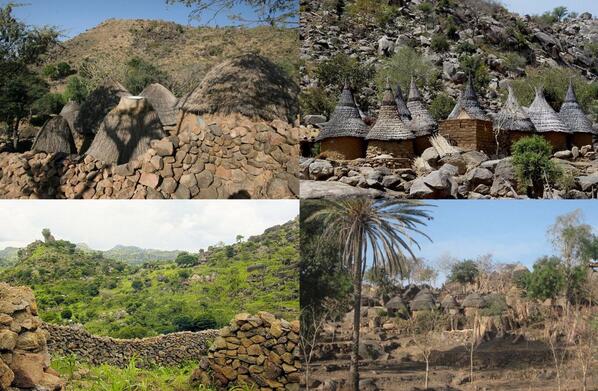
Another UNESCO World Heritage Site, the Sukur Cultural Landscape is noted for its terraced fields, ancient palace structures, and indigenous architecture. Located on the Mandara Mountains, Sukur has immense potential for eco-tourism and cultural immersion.
Infrastructure remains a major challenge, but with government and NGO support, local communities are receiving training in hospitality, crafts, and guiding. There’s growing interest from tour operators who offer off-the-beaten-path adventures for international travelers.
Tourism Investment Insight: Remote heritage sites can become boutique adventure destinations with smart investments in access and community training.
4. National Museum, Lagos – Lagos State
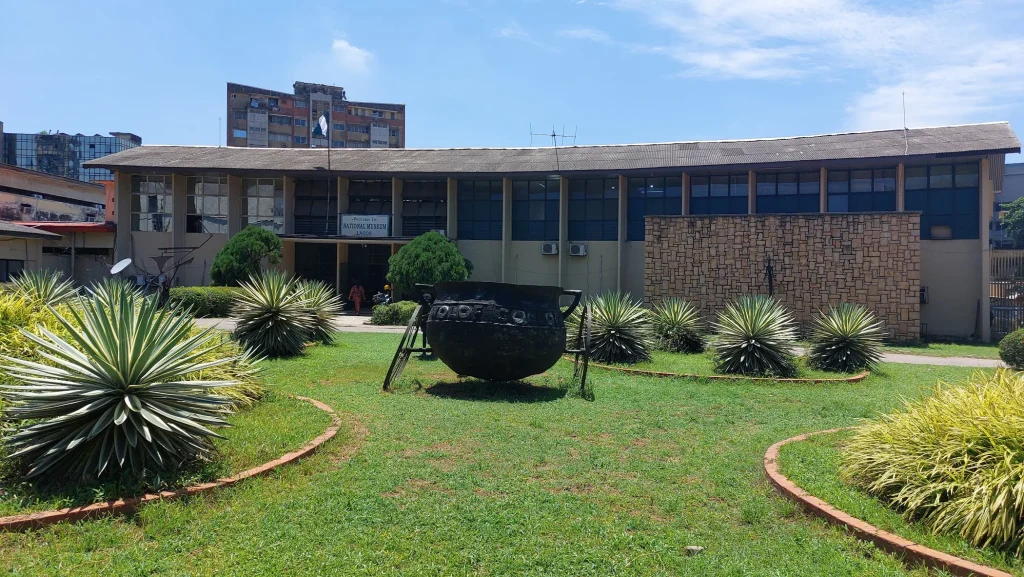
Strategically located in Onikan, the National Museum Lagos has long served as a cultural repository. But today, it’s becoming more than a museum—it’s part of a larger redevelopment plan under the Lagos Museum and Cultural District Project.
With backing from international partners, including the British Museum, the project aims to transform the area into a cultural and creative hub featuring a revamped museum, performance spaces, tech-driven exhibitions, and retail outlets.
Tourism Investment Insight: Urban museums can drive commercial real estate development, creative economy expansion, and cultural entrepreneurship.
5. Ogbunike Caves – Anambra State
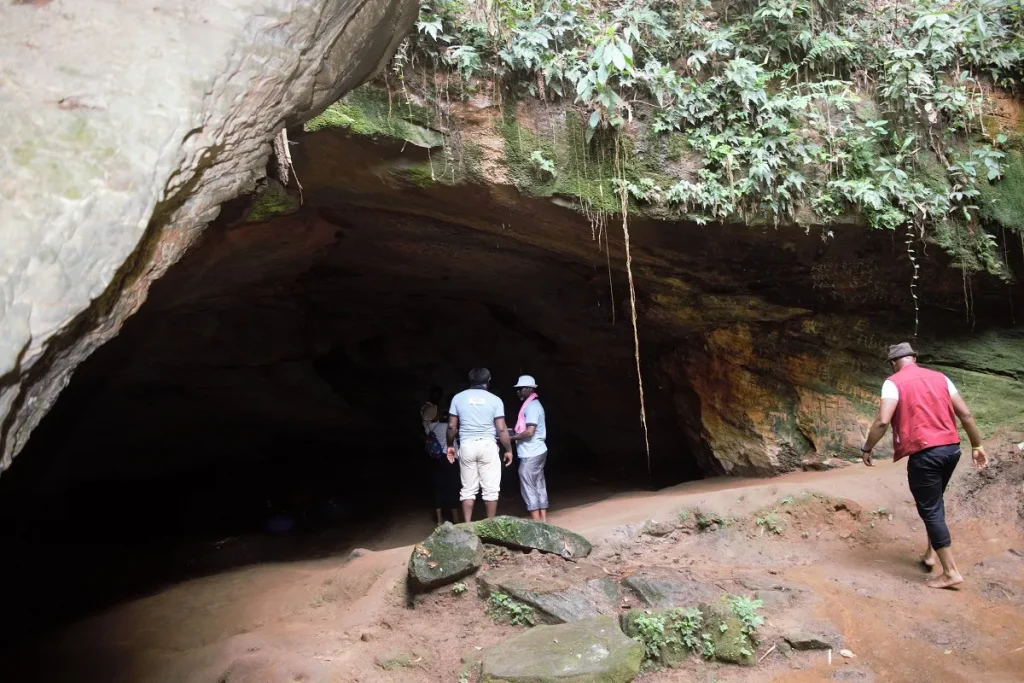
A sacred site tied to Igbo cosmology, the Ogbunike Caves attract both pilgrims and curious travelers. Historically underutilized, the Anambra State government has in recent years pushed for sustainable tourism development through improved access roads, visitor centers, and environmental protection policies.
Local guides and craft vendors now earn a steady income from tourist visits, and there are plans for eco-lodges and wellness retreats that celebrate Igbo heritage.
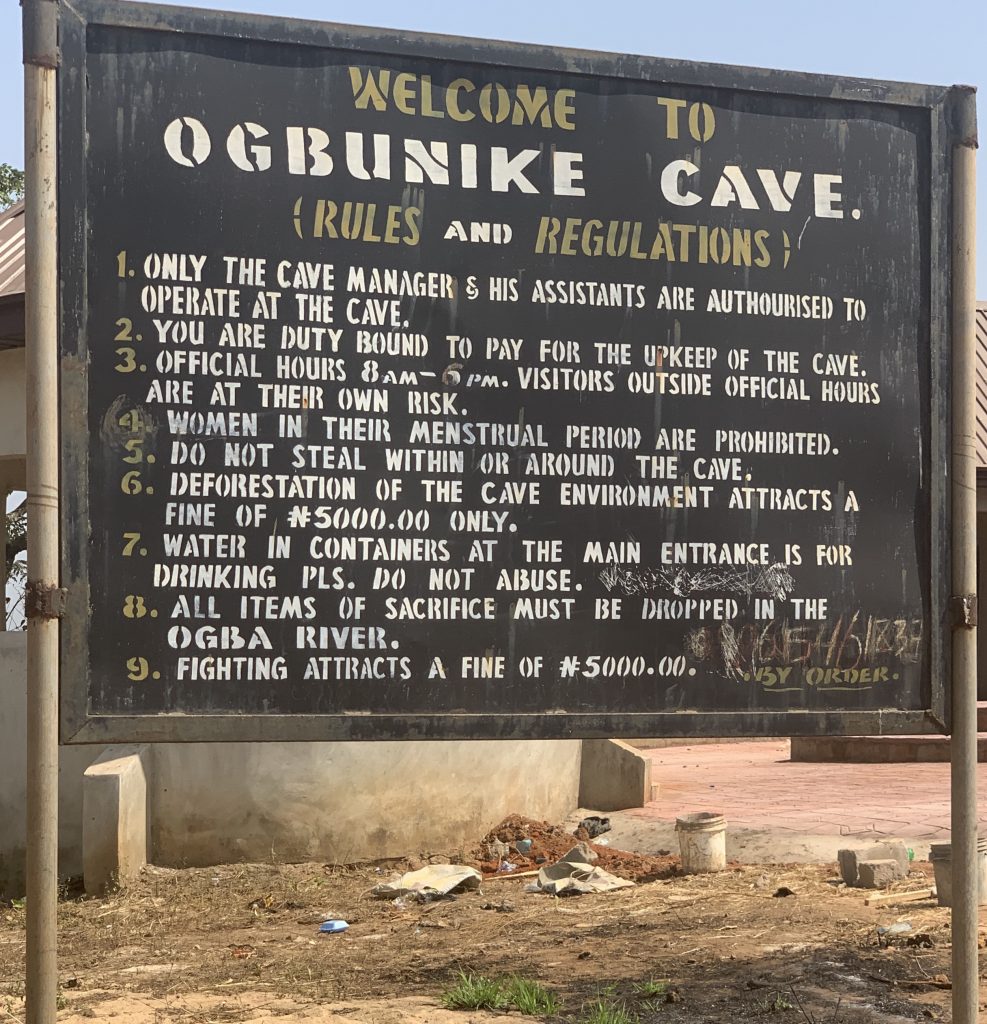
Tourism Investment Insight: Spiritual and ecological landmarks can drive niche tourism sectors like wellness, adventure, and cultural heritage tours.
6. Aso Rock and the Presidential Villa Tour – Abuja FCT
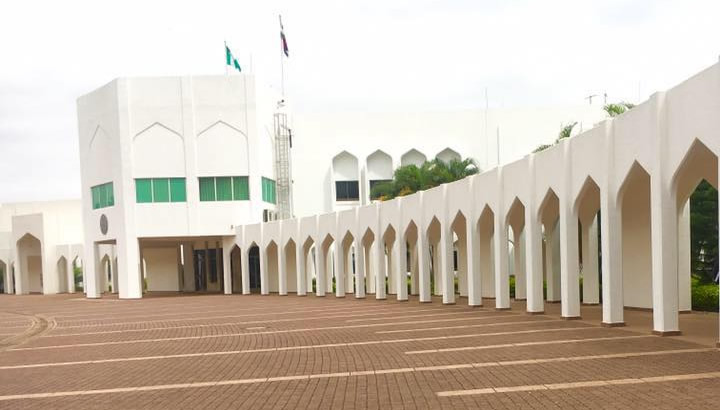
Although Aso Rock is primarily known for housing the seat of government, its symbolic presence and surrounding geological formations offer untapped tourism potential. While not a traditional heritage site, guided civic tours and panoramic excursions around the rock have become more popular, especially with educational institutions.
Plans to integrate cultural exhibitions about Nigerian governance, nationhood, and history into visitor experiences could open new avenues for educational tourism.
Tourism Investment Insight: Government landmarks can double as civic education and cultural tourism centers, generating revenue while fostering national identity.
7. Ancient Kano City Walls and Emir’s Palace – Kano State
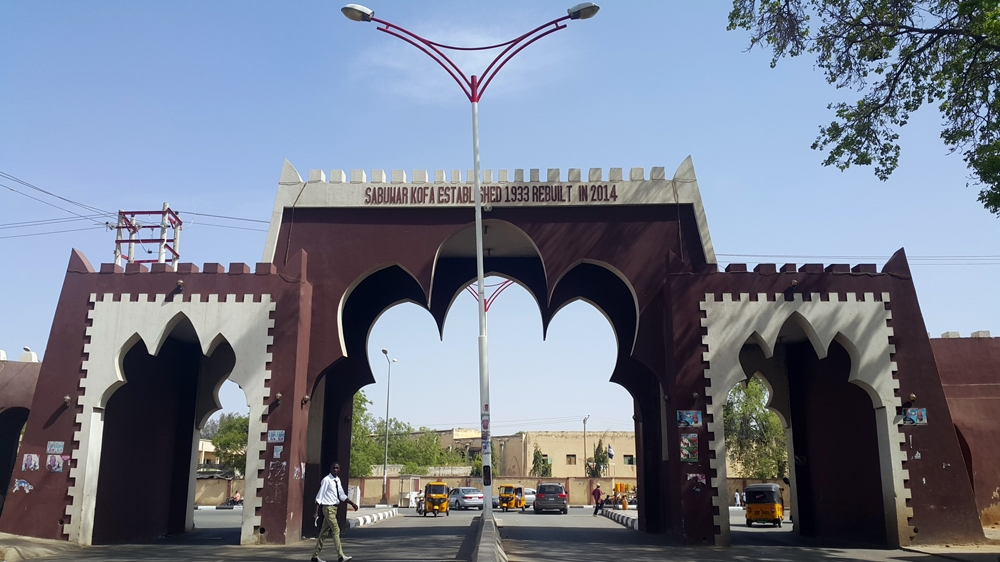
The Ancient Kano City Walls, once Africa’s most formidable pre-colonial defense structures, and the historic Emir’s Palace are cultural treasures in Northern Nigeria. With ongoing restoration projects supported by UNESCO and local stakeholders, the site is attracting increased tourist interest.
Kano State is also promoting traditional dye pits, leatherwork centers, and local food tours to create a holistic cultural tourism package. These developments have led to the revival of heritage crafts and expanded investment in tourism infrastructure.
Tourism Investment Insight: Integrating heritage with craft industries and gastronomy creates a full-circle tourism economy around historical landmarks.
Heritage as a Business idea
Nigeria’s historical landmarks are no longer just relics of the past—they’re becoming catalysts for future growth. As more local and foreign investors recognize the commercial potential in cultural tourism, these heritage sites are being transformed into thriving economic hubs.
With strategic infrastructure development, community involvement, and policy support, these landmarks are not only preserving Nigeria’s rich history—they are rewriting it as a modern success story in tourism and investment.