

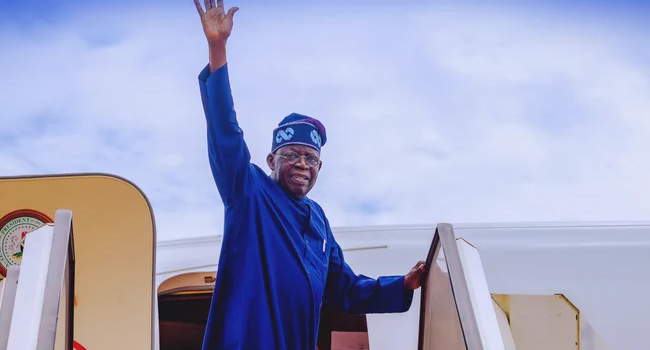
President Bola Ahmed Tinubu has reaffirmed his administration’s determination to fast-track Nigeria’s economic transformation through the twin pillars of technology and food security, drawing lessons from Brazil’s remarkable growth trajectory.
During an engagement on Tuesday with Nigerians living in Brazil, Tinubu underscored his vision of repositioning the country as Africa’s economic powerhouse through innovation, reform, and inclusive governance.
“We must bring Nigeria to the forefront of Africa’s progress, powered by technology, food sovereignty, and the courage to shape our destiny,” the President said.
Tinubu described his trip to Brazil as a strategic diplomatic mission aimed at deepening bilateral ties while learning from the South American giant, which he noted once shared similar economic standing with Nigeria.
“Once upon a time, Nigeria and Brazil were on the same level. Look at Brazil today—its technology, its food systems. We must ask ourselves: what do they have that we don’t? We have the brains, the energy, and the youth. We have everything we need. Now we must act,” he stressed.
Acknowledging the efforts of Nigerians abroad, Tinubu commended the diaspora community for their resilience and contributions to national progress, urging them to remain key stakeholders in the country’s transformation.
“You are the pride of our nation. Your diversity and commitment reflect the Nigeria we are building,” he said.
On Nigeria’s current economic challenges, Tinubu likened his reform agenda to “bitter medicine,” necessary for long-term stability. He emphasized that ongoing global partnerships in manufacturing, technology, and cultural exchange would unlock Nigeria’s untapped potential.
Referencing Nobel Laureate Wole Soyinka’s upcoming cultural voyage, Tinubu noted that if Soyinka, at over 90 years old, continues to dream and act, then Nigerians, especially the youth, have no excuse to relent.
Earlier, Chika Emmanuel, Chairman of the Nigerians in Diaspora Organisation in Brazil, commended Tinubu’s diplomatic strides while highlighting the diaspora’s contributions to education, agriculture, and infrastructure. Emmanuel revealed that Nigerian postgraduate students in Brazil had grown from three to nearly 300 within 18 months, all on scholarships.
Tinubu, responding to calls for new consulates in São Paulo and other cities, appealed for patience, explaining that government resources were being carefully managed.
House of Representatives Speaker Tajudeen Abbas described the Brazil meeting as historically significant, stressing the centuries-old ties between both nations. Kaduna State Governor Uba Sani praised Tinubu’s reforms, citing the clearance of a $7 billion forex backlog and removal of multiple exchange rates as major wins for investor confidence.
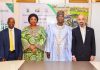
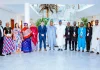
The meeting, anchored by NiDCOM chief Abike Dabiri-Erewa, was attended by Senate Deputy President Barau Jibrin, Plateau State Governor Caleb Mutfwang, Minister of State for Foreign Affairs Bianca Odumegwu-Ojukwu, and Minister of Information Mohammed Idris.