Keypoints
- President Bola Tinubu expressed Nigeria’s full solidarity with Gulf nations affected by the ongoing U.S./Israel conflict with Iran.
- The President received Letters of Credence from seven ambassadors and two high commissioners, including envoys from Saudi Arabia, Qatar, and Lebanon.
- Tinubu commended the affected nations for their “resilience and restraint,” noting that measured responses are vital to preventing a wider global war.
- Nigeria pledged to work with international partners to advocate for a “fairer and more secure global order” in the face of energy security risks.
- The administration highlighted bold economic reforms, inviting the new diplomats to view Nigeria as a competitive hub for investment and innovation.
Main Story
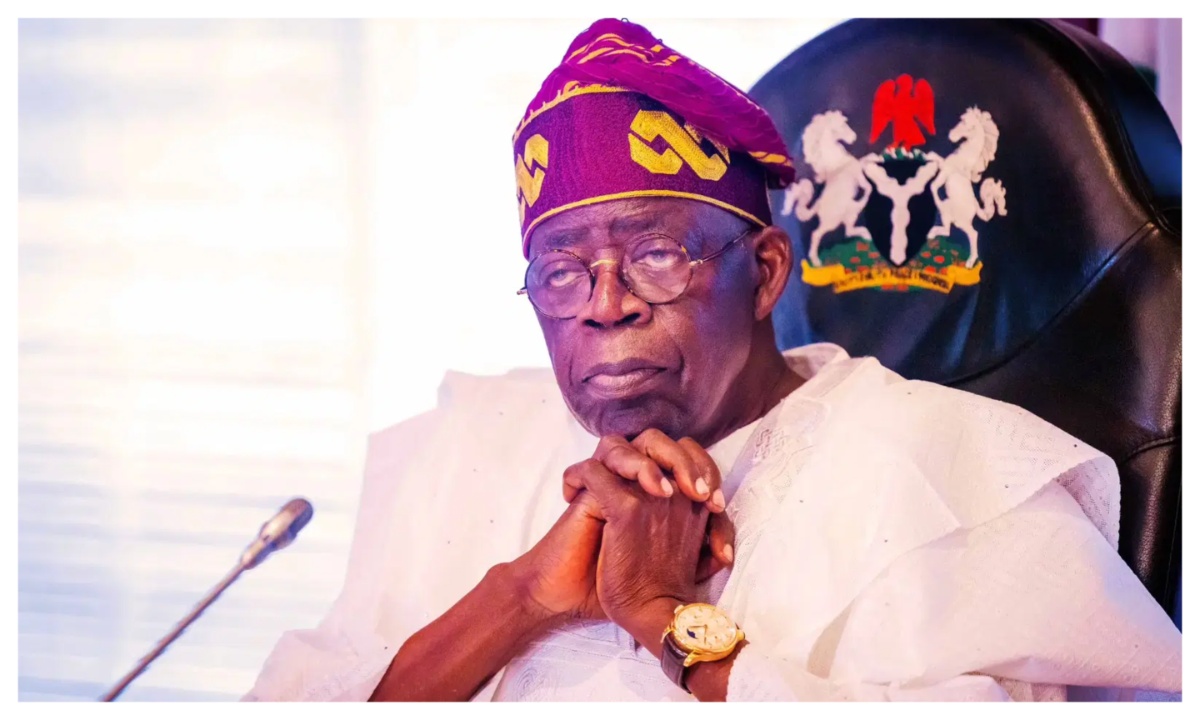
President Bola Tinubu has positioned Nigeria as a firm advocate for stability in the Middle East, a region currently grappling with the fallout of the U.S./Israel-Iran conflict.
During a diplomatic ceremony at the State House in Abuja on Thursday, April 23, 2026, the President received credentials from nine new envoys, using the occasion to reaffirm Nigeria’s support for peace and diplomacy.
Addressing the ambassadors of Qatar, Saudi Arabia, and other neighboring states, Tinubu expressed solidarity with nations including Kuwait, Bahrain, Oman, and Jordan.
He emphasized that the “world needs tranquillity” and praised the Gulf states for not allowing recent attacks to escalate into an uncontrollable regional conflagration.
Beyond security, the President linked these geopolitical tensions to broader global concerns, such as energy transitions and climate change, calling for a collective responsibility to safeguard human lives and international order.
The Issues
The primary challenge is the geopolitical-energy gap; Nigeria’s economy is sensitive to global oil price fluctuations, which are currently driven by tensions in the Gulf. Any further escalation in the Middle East could disrupt global energy security, making the President’s call for “restraint” a matter of national economic interest. Authorities must solve the problem of multilateral-coordination friction, as Nigeria seeks to maintain strong ties with both Western allies and Middle Eastern partners without being drawn into the polarized conflict.
Furthermore, there is an investment-perception risk; as Tinubu invites new envoys to explore Nigeria’s “bold reforms,” the administration must prove that the country is a stable and “globally competitive hub” despite the overlapping global crises of terrorism and shifting world orders. To succeed, Nigeria must use its “diverse diplomatic engagements” ranging from Sudan to Argentina to advocate for a balanced global order that protects emerging economies from external shocks.
What’s Being Said
- “Nigeria stands ready to work with your governments… to advocate a fairer and more secure global order,” stated President Bola Tinubu.
- The President praised the Gulf nations for their “resilience and restraint,” noting these are vital to preventing further escalation in a “fragile global environment.”
What’s Next
- The new ambassadors from Saudi Arabia and Qatar are expected to begin high-level talks with the Nigerian Ministry of Petroleum Resources regarding energy security.
- President Tinubu has encouraged the diplomats to “travel widely across Nigeria” to identify specific investment opportunities in states outside the federal capital.
- Nigeria is likely to increase its multilateral advocacy at the United Nations and other global forums for a de-escalation of the Iran-Israel-U.S. conflict.
- Follow-up bilateral agreements in the areas of counter-terrorism and sustainable economic growth are anticipated between Nigeria and the newly represented nations, including Sudan and Lebanon.
Bottom Line
By hosting a diverse group of envoys—from the Middle East to South America—President Tinubu is signaling that Nigeria intends to be an active, rather than passive, player on the global stage. His message is clear: while Nigeria focuses on internal reforms, it recognizes that national prosperity is impossible without global regional stability.