




KEY POINTS
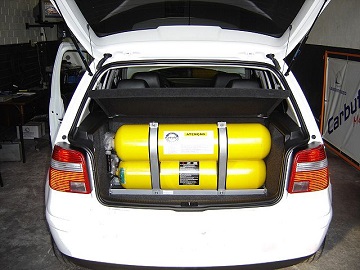
- President Bola Tinubu has directed the Presidential Initiative on Compressed Natural Gas (PiCNG) to immediately deploy 100,000 vehicle conversion kits.
- The move is a response to surging petrol prices caused by the escalating conflict in the Middle East and its impact on global oil markets.
- The kits will allow car and tricycle owners to switch from expensive petrol to cheaper, cleaner CNG, with rollout starting in 2–3 weeks.
- Government is also fast-tracking 77 new refueling stations and solar-powered charging hubs for electric vehicles (EVs).
MAIN STORY
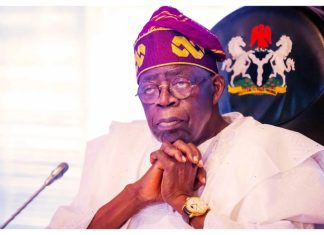
In a major push to lower transportation costs, President Bola Tinubu has ordered the immediate nationwide distribution of 100,000 CNG conversion kits. During a meeting at the Presidential Villa on Tuesday, the President expressed deep concern over how the ongoing war in the Middle East is driving up fuel costs for Nigerians.
To provide relief, he mandated the PiCNG to scale up the availability of gas as a primary alternative to petrol.
Ismael Ahmed, the Executive Chairman of PiCNG, confirmed that the conversion centers will soon be “bustling with activities” as large-scale engine refitting begins. The initiative isn’t just about kits; it’s about building a whole new energy network. Currently, 77 refueling stations are being developed along major transport routes. In cities like Kano, two specialized Liquefied Compressed Natural Gas (LCNG) stations are already running, with more “daughter stations” on the way to ensure drivers aren’t left stranded.
Beyond gas, the President’s plan includes a jump into electric mobility. The government is teaming up with local and international manufacturers to assemble electric vehicles right here in Nigeria. To make this work even in areas without steady power, the Rural Electrification Agency (REA) is helping to set up solar-powered charging stations. The goal is simple: give Nigerians more ways to move around without being held hostage by the global price of a barrel of oil.
WHAT’S BEING SAID
- “The President wanted to know what we are doing… to scale up the availability of gas everywhere in the country so people have less cost of transportation,” said Ismael Ahmed, Executive Chairman of PiCNG.
- Officials noted that the initiative is a response to the “rising global petroleum prices” triggered by the U.S.-Israel-Iran conflict.
- The President expects “quick results” that will directly reduce the daily transport burden on Nigerian families and small businesses.
WHAT’S NEXT
- Conversion Kickoff: In the next two weeks, designated centers will begin receiving the 100,000 kits for installation on commercial and private vehicles.
- Corridor Expansion: Construction will intensify on refueling units along the Northern Corridor to support long-haul transporters.
- EV Fair: Following the recent fair at Eagle Square, the government is expected to finalize MoUs with international EV manufacturers for local assembly plants.
BOTTOM LINE
The Bottom Line is that the government is trying to “gas up” the economy to slow down inflation. By moving 100,000 vehicles away from petrol and toward CNG, President Tinubu is betting that cheaper, locally-sourced gas can shield Nigerian pockets from the chaos of Middle Eastern oil wars.