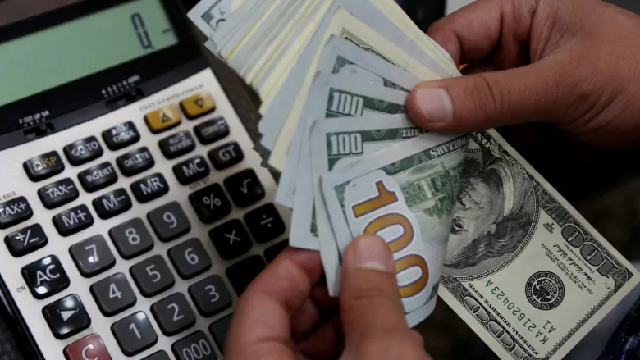








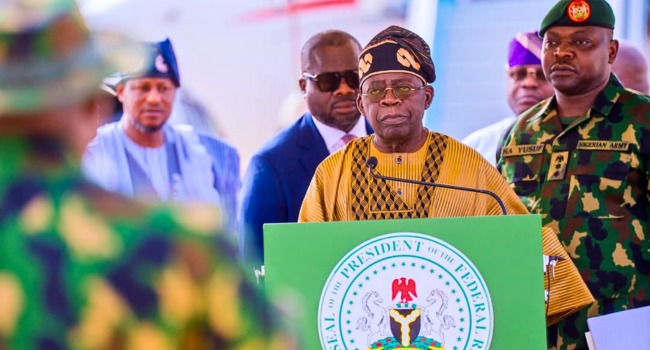
The Federal Government under President Bola Ahmed Tinubu has exceeded its 2025 borrowing target by 55.6 per cent, following the accumulation of ₦17.36 trillion in new loans from both domestic and external sources within the first ten months of the year.
This figure surpasses the prorated borrowing benchmark of ₦10.9 trillion contained in the 2025 Appropriation Act, and already exceeds the total borrowing ceiling of ₦13.08 trillion approved for the whole fiscal year by ₦4.28 trillion.
Latest figures obtained from the Debt Management Office (DMO) and the Central Bank of Nigeria (CBN) indicate that as at October 2025, the Federal Government had secured ₦15.8 trillion domestically and ₦1.56 trillion externally within the first half of the year alone.
In addition, the government plans to raise a further $2.35 billion (₦3.38 trillion) through a Eurobond issuance, a move that will push total borrowing commitments to approximately ₦20.74 trillion. Analysts project that the total figure could reach as high as ₦23 trillion before year end — nearly ₦10 trillion above the legislated limit.
Economic experts warn that the borrowing trajectory, combined with Nigeria’s weak revenue performance, could deepen the risk of a fiscal debt trap, spook investors, and tighten credit availability for the private sector — with possible knock-on effects on employment, growth, and household welfare.
Nigeria’s 2025 budget outlines total expenditure of ₦54.99 trillion against anticipated revenue of ₦41.91 trillion, translating into a deficit of ₦13.08 trillion, largely expected to be financed through borrowing.
However, analysts say the latest trend reflects fiscal indiscipline that mirrors patterns seen in previous administrations. They further stress that aggressive domestic borrowing continues to squeeze private investment while undermining the IMF-backed fiscal consolidation programme — aimed at reducing Nigeria’s debt-service-to-revenue ratio, currently hovering at about 83 per cent.
Financial and market analysts, including Andrew Uviase of Ecovis OUC, David Adonri of Highcap Securities, Tunde Abidoye of FBNQuest Merchant Bank and public analyst Clifford Egbomeade, trace the overshoot to unrealistic revenue projections, weak oil output, rising debt service obligations and persistent high government expenditure.
They have called on the Tinubu administration to prioritise non-oil revenue expansion, curb wasteful spending, and pursue structural fiscal reforms capable of restoring investor confidence and safeguarding long-term debt sustainability.